Challenges and Utilization of Immune Checkpoint Inhibitors in Lung Cancer Treatment
Overview
Immune checkpoint inhibitors (ICIs) targeting PD-1/PD-L1 and CTLA-4 have significantly improved lung cancer treatment, especially in advanced stages. Despite survival benefits, challenges such as resistance, biomarker limitations, and immune-related adverse events complicate clinical management.
Background
Lung cancer is the leading cause of cancer mortality worldwide, with non-small cell lung cancer (NSCLC) comprising approximately 85% of cases and small cell lung cancer (SCLC) about 15%. ICIs have transformed treatment by restoring anti-tumor immunity through blockade of inhibitory pathways like PD-1/PD-L1 and CTLA-4. However, tumor heterogeneity, brain metastases, and patient-specific factors influence therapeutic outcomes. Resistance mechanisms and immune-related toxicities remain significant hurdles.
Data Highlights
Clinical Trial
ICI Agent
Indication
Outcome
Various Phase III Trials
PD-1/PD-L1 and CTLA-4 antibodies
Advanced NSCLC and ES-SCLC
Improved survival and response rates
Key Findings
ICIs restore anti-tumor immunity by blocking PD-1/PD-L1 and CTLA-4 pathways, reversing T cell exhaustion.
Resistance to ICIs arises from tumor microenvironment immunosuppression, impaired antigen presentation, and aberrant signaling.
Biomarkers such as PD-L1 expression and tumor mutational burden have limitations due to heterogeneity and lack of standardization.
Immune-related adverse events affect multiple organ systems and may require treatment discontinuation.
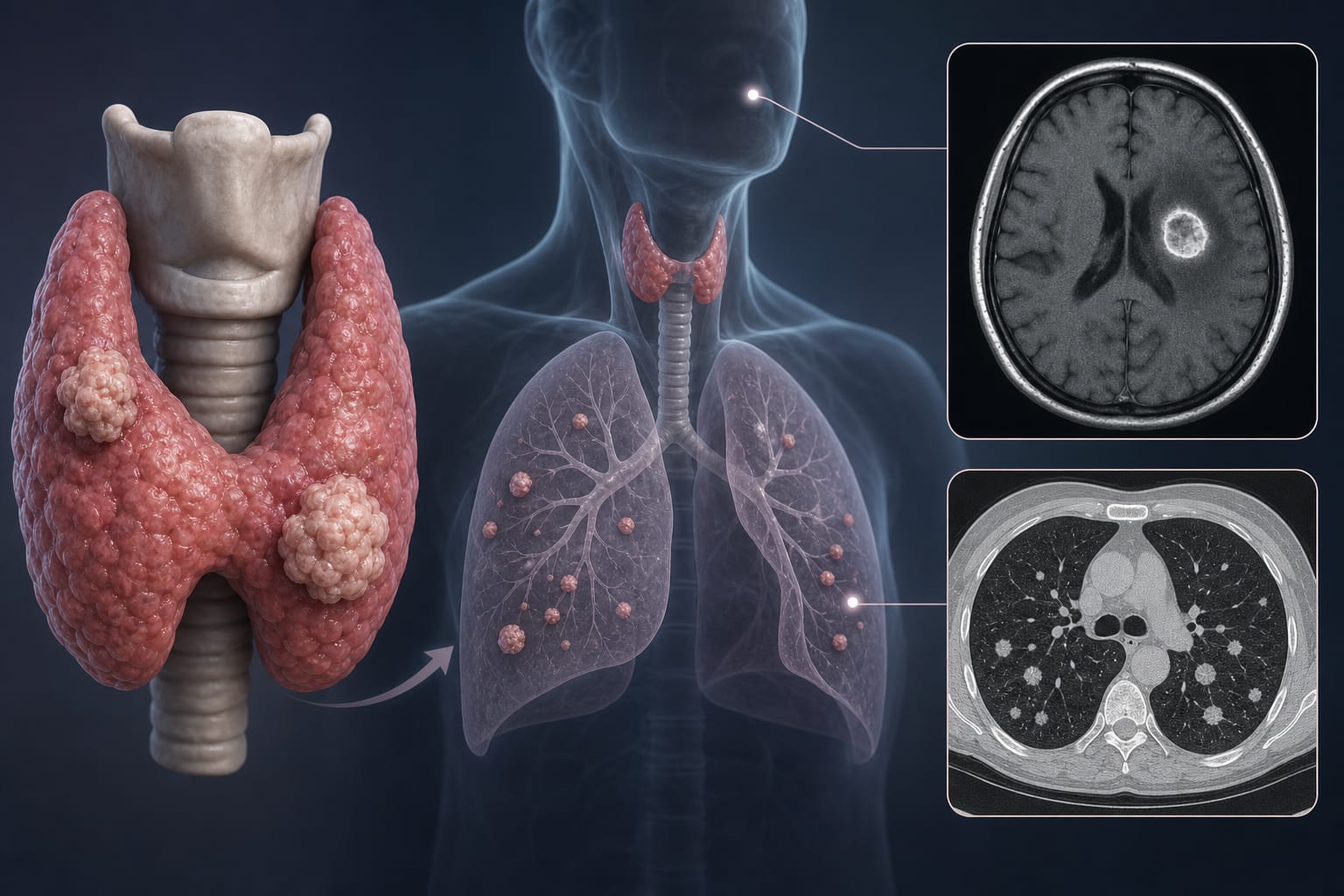
Brain metastases in lung cancer pose treatment challenges due to the blood-brain barrier but can be targeted by ICIs activating peripheral immunity.
Therapeutic responses vary by histological subtype, smoking status, and patient performance status, underscoring the need for personalized immunotherapy.
Clinical Implications
Clinicians should consider the heterogeneity of lung cancer and patient-specific factors when implementing ICI therapy. Vigilant monitoring for immune-related adverse events is essential to optimize treatment safety. Biomarker assessment should be interpreted cautiously, and combination strategies may be necessary to overcome resistance and improve outcomes.
Conclusion
Immune checkpoint inhibitors have revolutionized lung cancer treatment but are limited by resistance and adverse effects. Future advancements focusing on personalized approaches and improved biomarker strategies are critical to enhancing efficacy and safety.
References
Author/Source/2024 -- Challenges and Utilization of Immune Checkpoint Inhibitors in the Treatment of Lung Cancer