Clinical Report: Link Between HLA-DRB1*04:05 and ICI Effectiveness
Overview
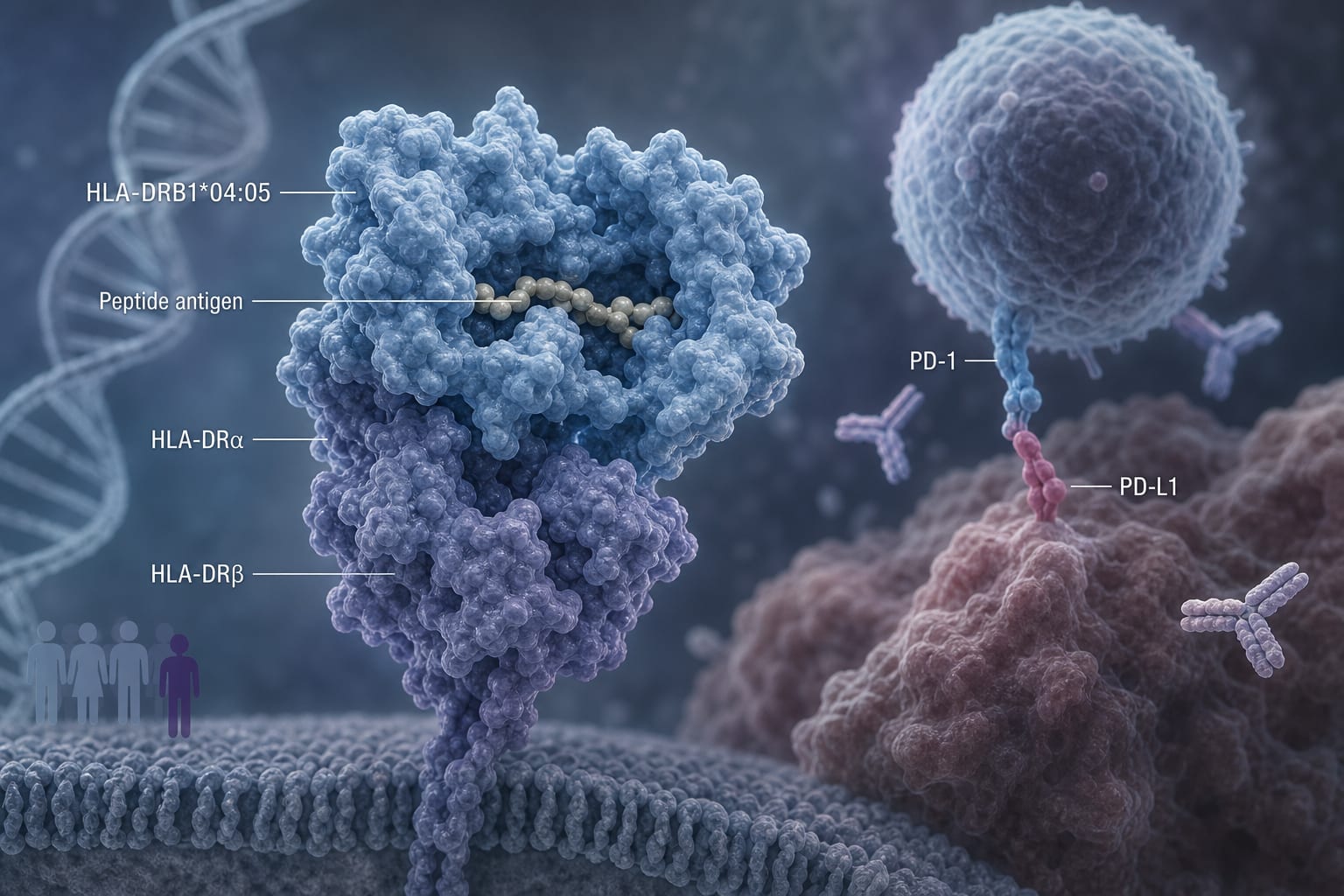
This study investigates the association between HLA-DRB1*04:05 and treatment outcomes in patients with advanced malignancies receiving immune checkpoint inhibitors (ICIs). Findings indicate that DRB1*04:05 positivity correlates with significantly shorter progression-free survival (PFS) compared to DRB1*04:05 negativity.
Background
Immune checkpoint inhibitors (ICIs) have revolutionized cancer treatment by enhancing the immune system's ability to target tumor cells. However, the efficacy of ICIs can vary among patients, necessitating the identification of biomarkers that predict treatment outcomes. Understanding the role of genetic factors, particularly HLA class II alleles, may provide insights into the mechanisms underlying ICI efficacy and associated adverse events.
Data Highlights
Group
Median PFS (months)
95% CI
Events
Censored Events
DRB1*04:05 Positive
2
1.214–2.786
31
1
DRB1*04:05 Negative
3
1.933–4.067
56
8
Key Findings
DRB1*04:05 positivity is associated with a median PFS of 2 months.
DRB1*04:05 negativity is associated with a median PFS of 3 months.
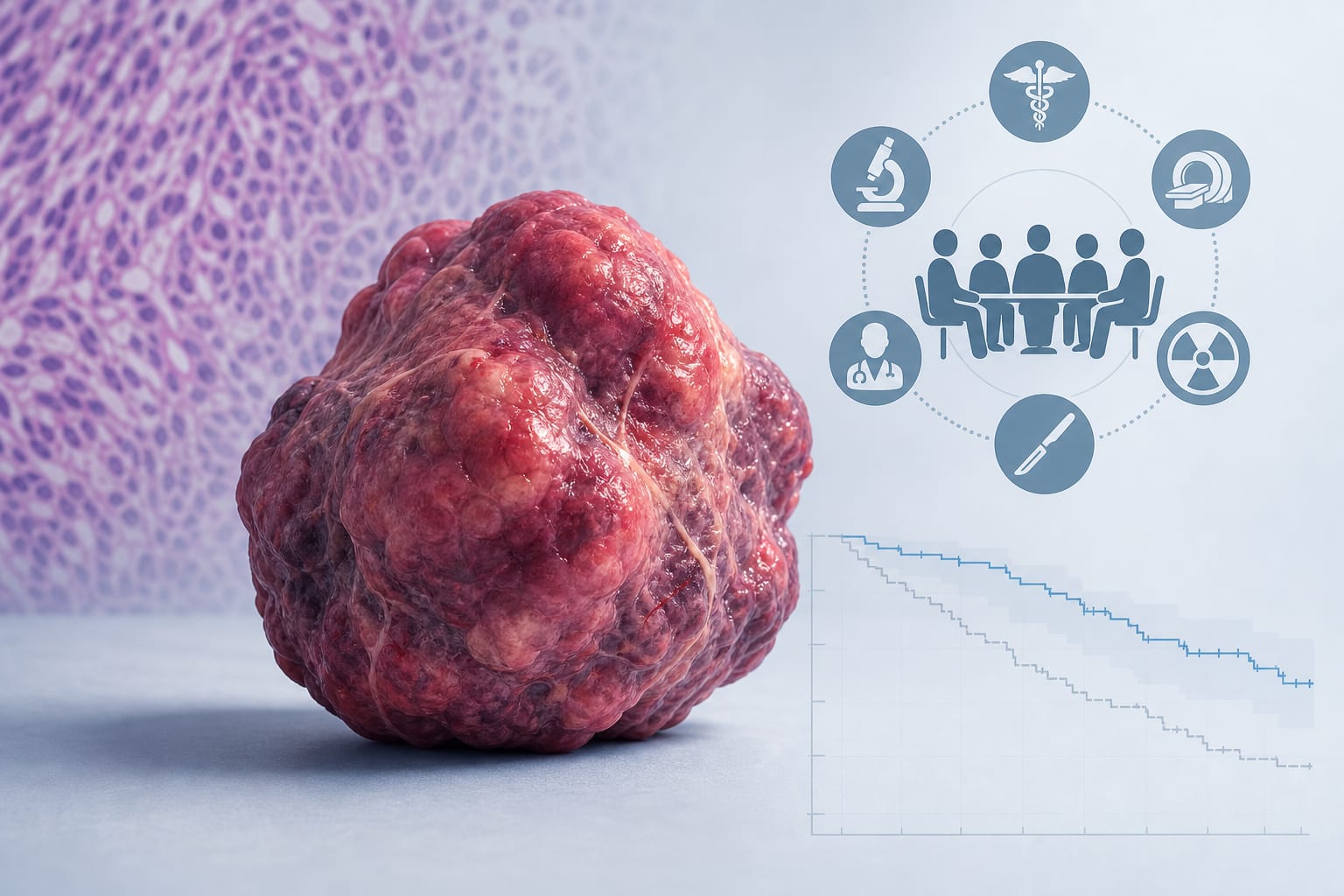
The difference in PFS between DRB1*04:05 positive and negative groups is statistically significant (log rank p=0.045).
DRB1*04:05 is independently associated with shorter PFS in multivariable Cox regression analysis.
HLA class II alleles may influence treatment outcomes through their effects on immune regulation.
Clinical Implications
The findings suggest that HLA-DRB1*04:05 may serve as a prognostic biomarker for patients undergoing ICI therapy. Clinicians should consider HLA genotyping in advanced cancer patients to better predict treatment outcomes and tailor therapeutic strategies accordingly.
Conclusion
Highlight the importance of validating findings in larger, more diverse cohorts.