Catheter based intraperitoneal chemotherapy using taxane for peritoneal metastases from gastric cancer: from bench to bedside—a narrative review - Report - MDSpire
Advertisement
Catheter based intraperitoneal chemotherapy using taxane for peritoneal metastases from gastric cancer: from bench to bedside—a narrative review
Clinical Report: Intraperitoneal Chemotherapy via Catheter with Taxanes
Overview
This narrative review discusses the application of intraperitoneal chemotherapy using taxanes for treating peritoneal metastases in gastric cancer. It highlights the unique challenges posed by peritoneal metastasis and the application of catheter-based delivery methods.
Background
Gastric cancer is a significant global health issue, with a high incidence of peritoneal metastasis, particularly in advanced stages. Standard systemic chemotherapy often proves ineffective due to the distinct biological characteristics of peritoneal metastasis, leading to poor survival rates. Therefore, alternative treatment strategies, such as intraperitoneal chemotherapy, are explored.
Data Highlights
No specific numerical data or trial results were provided in the source material, which limits the review's conclusions.
Key Findings
Peritoneal metastasis occurs in approximately 40-50% of patients with stage IV gastric cancer.
Median survival for patients with peritoneal metastasis receiving systemic chemotherapy ranges from 4 to 12 months.
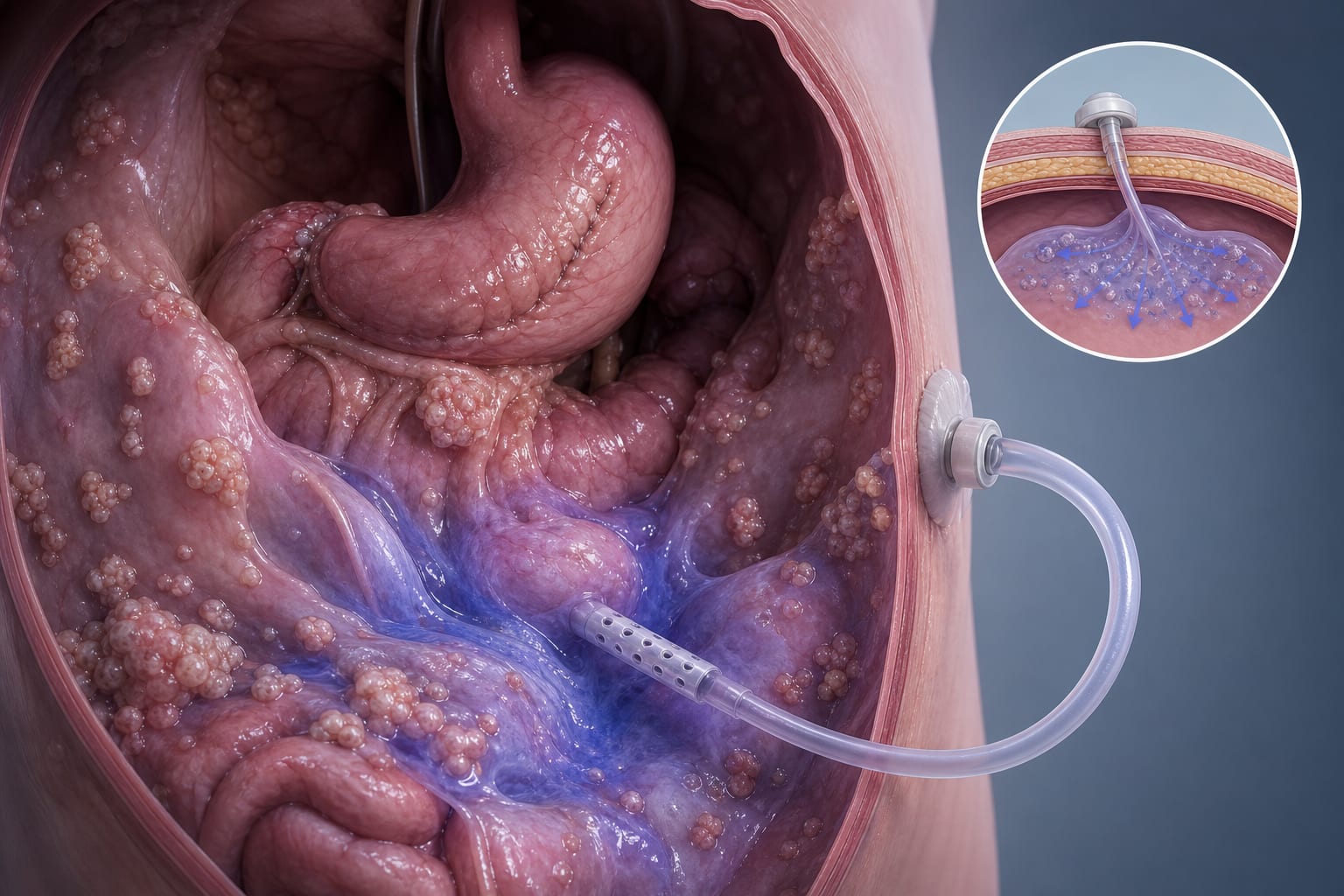
Intraperitoneal chemotherapy allows for direct delivery of high concentrations of cytotoxic agents into the peritoneal cavity.
Catheter-based normothermic intraperitoneal chemotherapy (CBIP) has been adapted for gastric cancer treatment in Japan and other Asian countries.
Pressurized intraperitoneal aerosol chemotherapy (PIPAC) has shown promising results in early studies for gastric cancer with peritoneal metastasis.
Clinical Implications
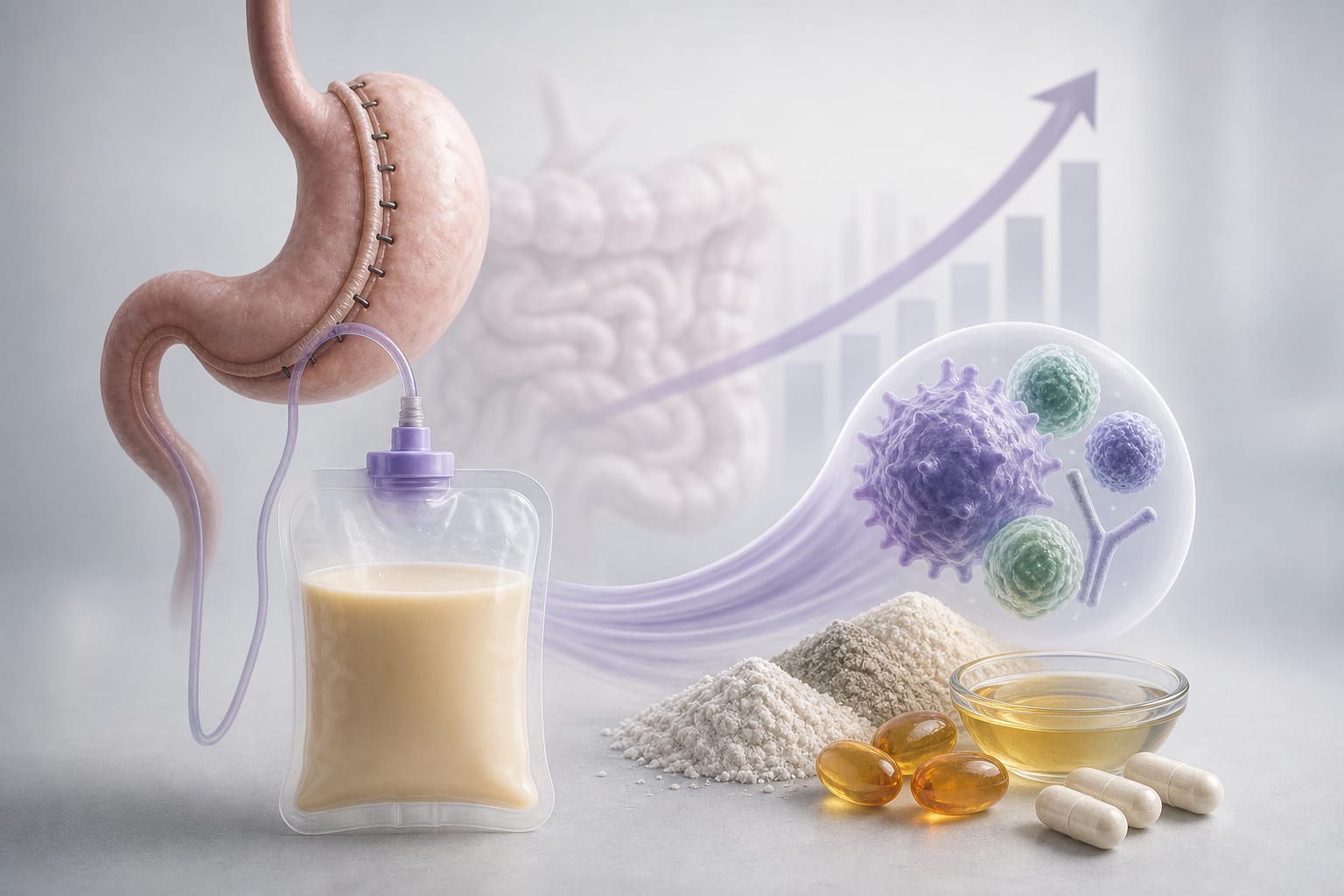
The review emphasizes the need for innovative approaches to enhance drug delivery in gastric cancer with peritoneal metastasis.
Conclusion
Intraperitoneal chemotherapy via catheter represents a strategy for managing peritoneal metastases in gastric cancer.