Clinical Report: The Role of Epigenetic Changes in Cancer Development
Overview
Epigenetic deregulation is a key factor in cancer progression, influencing tumor behavior and therapeutic responses. This report synthesizes findings from multiple studies that highlight the role of epigenetic mechanisms in various cancers, including lung adenocarcinoma, breast cancer, thyroid cancer, and bladder cancer.
Background
Understanding epigenetic changes is crucial as they contribute to cancer progression, immune evasion, and therapeutic resistance. These alterations can serve as biomarkers for patient stratification and may inform personalized treatment strategies. The integration of epigenetic insights into clinical practice is increasingly recognized as a means to enhance therapeutic efficacy.
Data Highlights
No specific numerical data provided in the source material.
Key Findings
Epigenetic alterations actively shape disease behavior and therapeutic vulnerability in cancer.
DOT1L promotes immune evasion in lung adenocarcinoma via the JAK1/STAT3/PD-L1 axis.
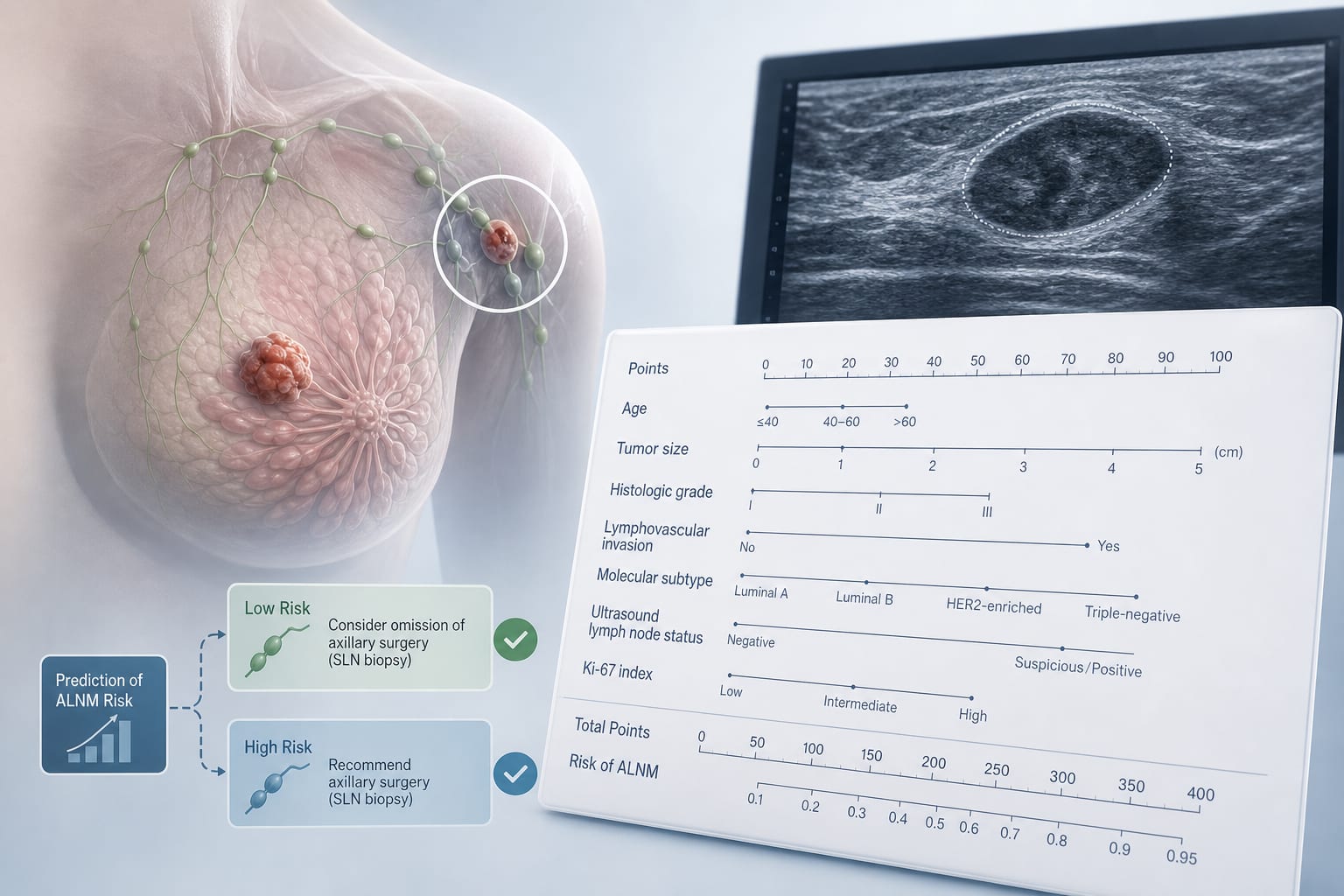
Machine learning-derived epigenetic models can stratify breast cancer patients based on prognostic features and treatment sensitivities.
Epigenetic dysregulation in thyroid cancer may contribute to radioiodine refractoriness.
Bladder cancer shows significant dynamics in DNA methylation and demethylation, influencing tumorigenesis.
PIWI-interacting RNAs are implicated in the regulation of non-small cell lung cancer, affecting proliferation and chemoresistance.
Clinical Implications
Clinicians should consider the role of epigenetic profiling in patient stratification and treatment planning. Targeting epigenetic mechanisms may enhance the effectiveness of existing therapies and improve patient outcomes, particularly in cancers characterized by immune evasion and therapeutic resistance.
Conclusion
The integration of epigenetic insights into oncology represents a promising frontier in cancer treatment, with the potential to personalize therapies and improve patient management.