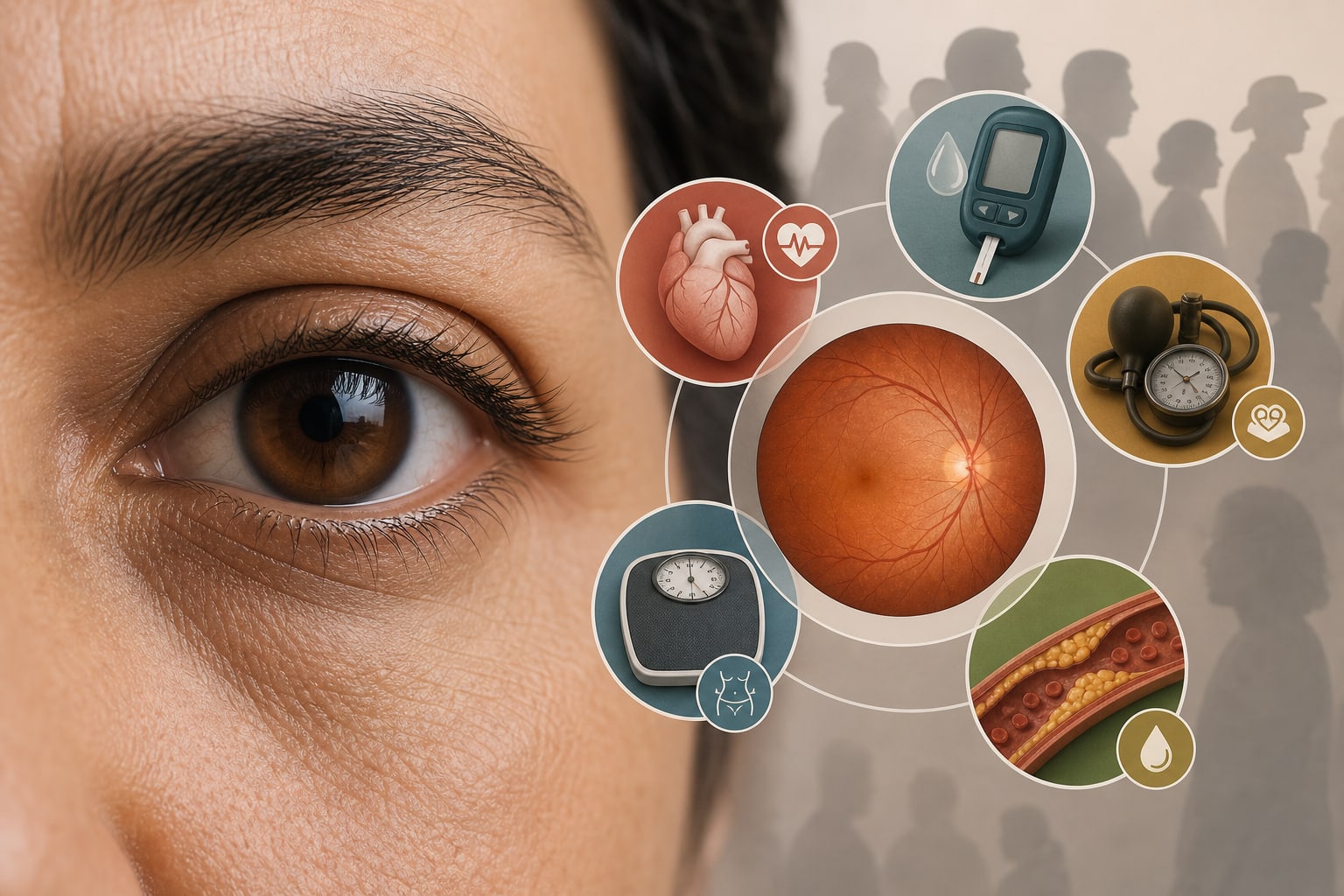
Clinical Report: A machine learning approach for the early identification of diabetic retinopathy
Overview
This study developed a machine learning model to identify diabetic retinopathy (DR) risk in community health settings using routine health data. The model demonstrated moderate discrimination capabilities, highlighting the potential for early identification of DR in primary care.
Background
Diabetic retinopathy is a leading cause of avoidable blindness among individuals with diabetes, affecting nearly 25% of this population globally. Timely identification and screening are crucial to prevent significant visual impairment, yet access to ophthalmic care in primary settings is often limited. This study addresses the need for effective risk stratification tools that can be implemented in community health environments.
Data Highlights
{'XGBoost': {'AUROC': 'Provide specific value', 'AUPRC': 'Provide specific value'}, 'Ranger': {'AUROC': 'Provide specific value', 'AUPRC': 'Provide specific value', 'Brier Score': 'Provide specific value'}}
Key Findings
The prevalence of diabetic retinopathy in the study cohort was 13.5%.
GLMNET model achieved an AUROC of 0.770, indicating moderate discrimination.
SHAP analysis identified urine glucose as the most significant predictor of DR risk.
Decision curve analysis suggested a net benefit for threshold probabilities between 10% and 40%.
The model's calibration was acceptable but imperfect, necessitating further validation.
Clinical Implications
The findings suggest that machine learning models can enhance the early identification of diabetic retinopathy in primary care settings, potentially improving patient outcomes. However, further validation and implementation studies are essential before routine clinical application.
Conclusion
The study presents a promising machine learning approach for DR risk identification, emphasizing the need for external validation to ensure clinical applicability in community health settings.