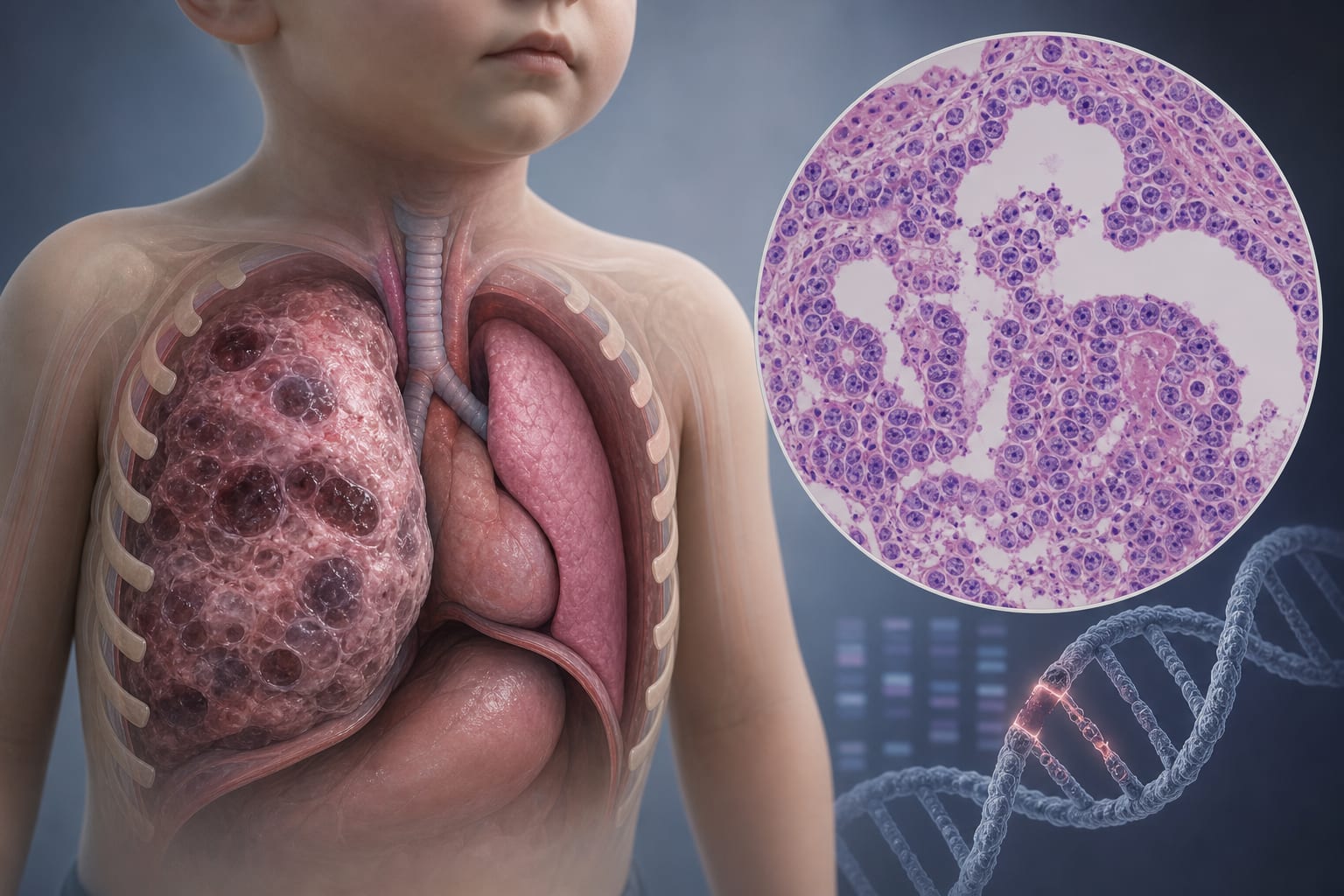
Schistosomiasis: The Need for a Tailored-Made Treatment for Preschoolers
-
January 15, 2026
-
13 min
Clinical Report: Schistosomiasis Treatment Needs for Preschoolers
Overview
A tailored formulation of praziquantel for preschoolers has received positive regulatory feedback, addressing a critical gap in treating schistosomiasis in young children. This new formulation aims to improve treatment accessibility and efficacy for millions of affected children in endemic regions.
Background
Schistosomiasis is a significant neglected tropical disease affecting over 200 million people globally, with preschool-aged children particularly vulnerable to its detrimental effects on growth and cognitive development. Current treatments, primarily praziquantel, are unsuitable for young children due to formulation challenges. The Pediatric Praziquantel Consortium has developed a child-friendly formulation to address these issues and improve treatment outcomes.
Data Highlights
No numerical data provided in the source material.
Key Findings
- A tailored formulation of praziquantel for preschoolers received a positive scientific opinion from the EMA in December 2023.
- The new formulation was prequalified by WHO in May 2024 and included in the WHO Essential Medicine List in September 2025.
- Initial treatments with the new formulation began in March 2025 in Uganda.
- Praziquantel's standard formulation is unsuitable for preschoolers due to large tablet size and unpleasant taste.
- Over 800 million people are at risk of schistosomiasis, with significant morbidity and mortality, particularly in children.
- The Pediatric Praziquantel Consortium aims to improve access to effective treatment for preschool-aged children.
Clinical Implications
Healthcare providers should be aware of the new pediatric formulation of praziquantel, which is designed to be more palatable and easier to administer to young children. This development is crucial for improving treatment adherence and outcomes in preschool-aged children at risk of schistosomiasis.
Conclusion
The introduction of a tailored praziquantel formulation for preschoolers represents a significant advancement in the fight against schistosomiasis, potentially saving millions of lives and improving health outcomes in endemic regions.
References
- Astellas Pharma, Schistosomiasis Report, 2023 -- Schistosomiasis: The Need for a Tailored-Made Treatment for Preschoolers
- Efficacy, safety, and palatability of arpraziquantel (L-praziquantel) orodispersible tablets in children aged 3 months to 6 years infected with Schistosoma in Côte d'Ivoire and Kenya, ScienceDirect, 2023 -- Efficacy, safety, and palatability of arpraziquantel
- Infection — Distribution of Schistosoma mansoni, soil-transmitted helminths, and intestinal protozoan infections among orphans and street children in Mwanza, Northern Tanzania
- Infection — Guidelines for Screening, Diagnosis, and Management of Schistosomiasis in Non-Endemic Regions: Consensus Recommendations from the Italian Society of Tropical Medicine and Global Health and Collaborating Italian Medical Societies
- Infection — Hematological Alterations Associated with Schistosoma haematobium Infections in Gabonese Schoolchildren
- Infection — Evaluation and Treatment Approaches for Complicated Urogenital Schistosomiasis: A Comprehensive Literature Review
- WHO guideline on control and elimination of human schistosomiasis
- Efficacy, safety, and palatability of arpraziquantel (L-praziquantel) orodispersible tablets in children aged 3 months to 6 years infected with Schistosoma in Côte d'Ivoire and Kenya: an open-label, partly randomised, phase 3 trial - ScienceDirect
- Efficacy and safety of praziquantel plus Artemisinin-based combinations in the treatment of Kenyan children with Schistosoma mansoni infection: an open-label, randomized, head-to-head, non-inferiority (SCHISTOACT) trial | medRxiv
This content is an AI-generated, fully rewritten summary based on a published scholarly article. It does not reproduce the original text and is not a substitute for the original publication. Readers are encouraged to consult the source for full context, data, and methodology.