Alternative splicing-based therapeutics for neurodegenerative diseases: a dual-database bibliometric and NLP-driven analysis (2000–2025) - Report - MDSpire
Advertisement
Alternative splicing-based therapeutics for neurodegenerative diseases: a dual-database bibliometric and NLP-driven analysis (2000–2025)
Clinical Report: Therapeutic Approaches Targeting Alternative Splicing in NDDs
Overview
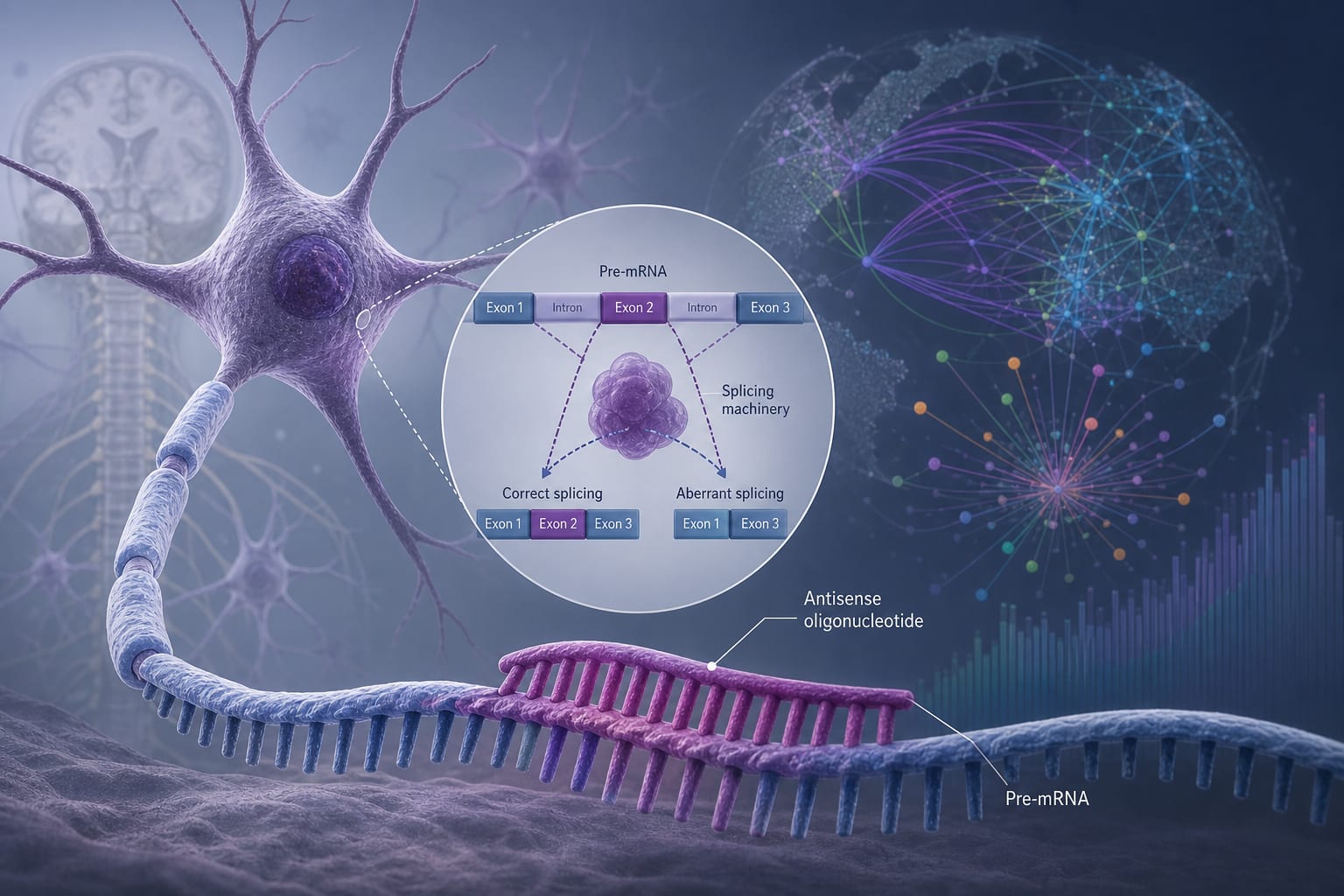
This study analyzes the global research trends and clinical evolution of alternative splicing-targeted therapeutics in neurodegenerative diseases (NDDs). It highlights a significant shift towards clinically actionable splicing interventions, particularly in pediatric spinal muscular atrophy (SMA), while emphasizing the need for similar approaches in adult NDDs.
Background
Neurodegenerative diseases are a leading cause of disability worldwide, affecting approximately 3.40 billion individuals. Despite extensive research, effective disease-modifying therapies remain scarce, leading to significant socioeconomic burdens. The success of splicing-targeted therapies in pediatric disorders underscores the urgent need for similar advancements in adult-onset NDDs.
Data Highlights
Publication output showed sustained growth from 2000 to 2025, with the U.S. and Western Europe as dominant hubs. Keyword trajectories indicated a shift from in vitro studies to clinical drug discovery.
Key Findings
Publication output from 2000 to 2025 exhibited linear growth.
The U.S. and Western Europe are the primary collaborative hubs in this research area.
China shows high productivity but limited international collaboration.
LDA topic modeling identified three core axes: molecular mechanisms, disease-specific models, and translational methodologies.
Clinical trials are concentrated on splicing-modifying interventions in pediatric SMA.
There is a need to expand RNA-targeted therapies to adult neurodegenerative populations.
Clinical Implications
The findings suggest that splicing-targeted therapies could significantly alter the management of neurodegenerative diseases if applied early and monitored effectively. Clinicians should consider integrating these approaches into treatment plans for both pediatric and adult patients.
Conclusion
This study provides a comprehensive overview of the evolving landscape of alternative splicing therapeutics in neurodegenerative disorders, highlighting the potential for significant clinical advancements. Future research should focus on expanding these interventions to adult populations.