Bidirectional associations of physical activity and cognitive function in midlife adults: a longitudinal analysis across 26 years follow-up - Report - MDSpire
Advertisement
Bidirectional associations of physical activity and cognitive function in midlife adults: a longitudinal analysis across 26 years follow-up
Reciprocal Relationships Between Physical Activity and Cognition in Midlife Adults
Overview
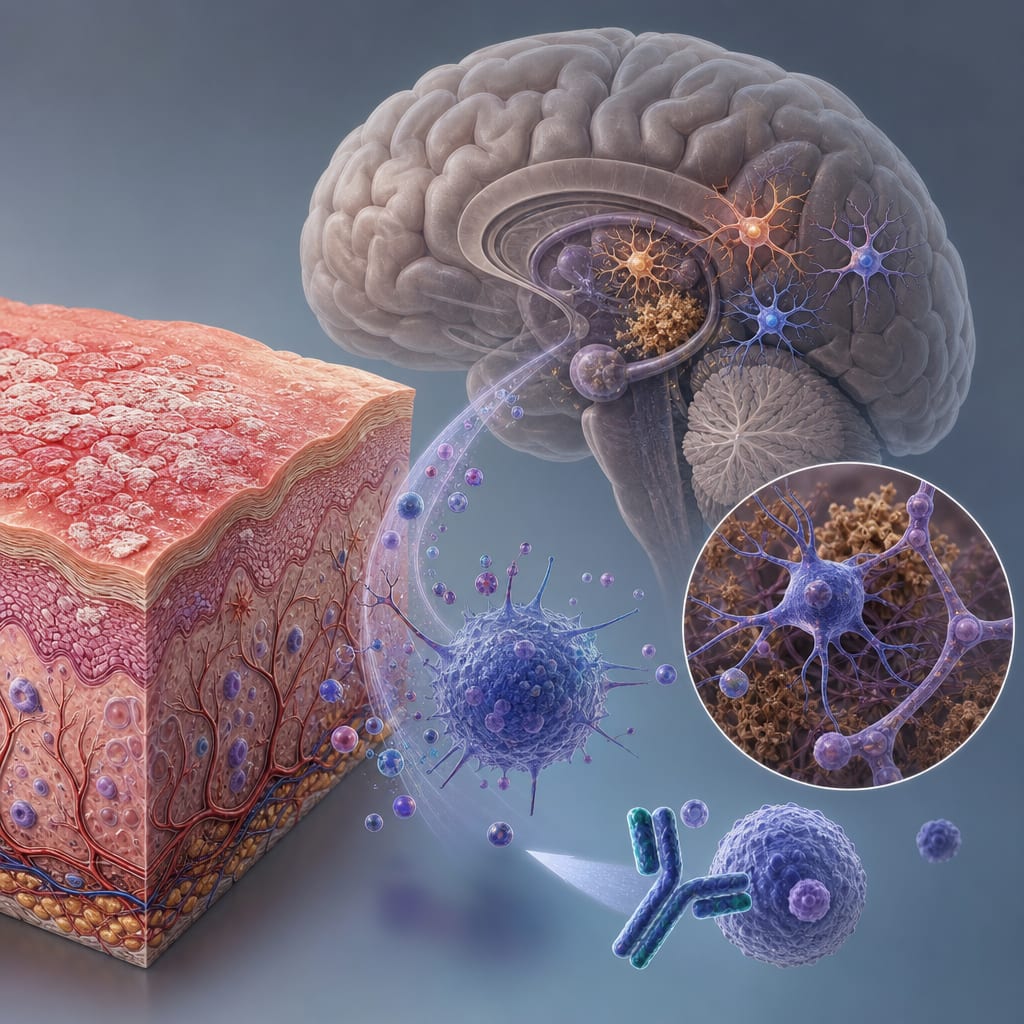
This 26-year longitudinal study of 2,888 adults born in 1946 found bidirectional associations between physical activity (PA) and cognitive function during midlife. The relationship was stronger from cognition to subsequent PA, particularly for males, while increased PA was associated with modest improvements in later verbal memory.
Background
Physical activity is widely considered a modifiable lifestyle factor that may reduce cognitive decline and dementia risk. However, the directionality of the association between PA and cognition remains unclear, with some evidence suggesting reverse causation where cognitive decline leads to reduced PA. Understanding whether PA influences cognition or vice versa during midlife, before clinical impairment manifests, is critical for designing effective interventions. This study investigates these reciprocal relationships over four time points between ages 43 and 69 years.
Data Highlights
Measure
Age (years)
Findings
Sample Size
43-69
2888 participants (51% female)
Verbal Memory to PA (Females)
43-69
1 SD increase in verbal memory associated with 30% higher probability of mid-active PA (RRR 1.30; 95% CI 1.15–1.46)
PA to Verbal Memory
43-69
Becoming active associated with small increase in verbal memory z score (β = 0.08; 95% CI 0.01–0.14)
Bidirectional Association
43-69
More robust in males; reciprocal but stronger cognition to PA direction
Key Findings
Bidirectional associations exist between physical activity and cognition during midlife.
Stronger association observed from cognition to subsequent physical activity, especially in males.
In females, a 1 SD increase in verbal memory increased likelihood of mid-active physical activity by 30%.
Becoming physically active was linked to a modest but statistically significant improvement in subsequent verbal memory scores.
Associations remained after controlling for childhood cognition, socioeconomic status, health factors, attrition, and mortality.
Clinical Implications
These findings suggest that cognitive function in midlife may influence engagement in physical activity more strongly than physical activity influences cognition. Clinicians should consider cognitive status when promoting physical activity interventions. Early cognitive support may enhance physical activity participation, which in turn could modestly benefit cognition, highlighting the importance of integrated approaches for healthy aging.
Conclusion
This study provides evidence of reciprocal but asymmetrical relationships between physical activity and cognition in midlife, with cognition more strongly predicting future physical activity. These insights underscore the complexity of the PA-cognition relationship and the need to address both factors in strategies to promote healthy cognitive aging.
References
Medical Research Council National Survey of Health and Development, 2024 -- Reciprocal Relationships Between Physical Activity and Cognitive Function in Adults During Midlife: A 26-Year Longitudinal Study