Comparative effectiveness of regional analgesia techniques after gastrectomy for gastric cancer: a systematic review and network meta-analysis of randomized trials - Report - MDSpire
Advertisement
Comparative effectiveness of regional analgesia techniques after gastrectomy for gastric cancer: a systematic review and network meta-analysis of randomized trials
Clinical Report: Efficacy Comparison of Regional Analgesia Methods Following Gastrectomy
Overview
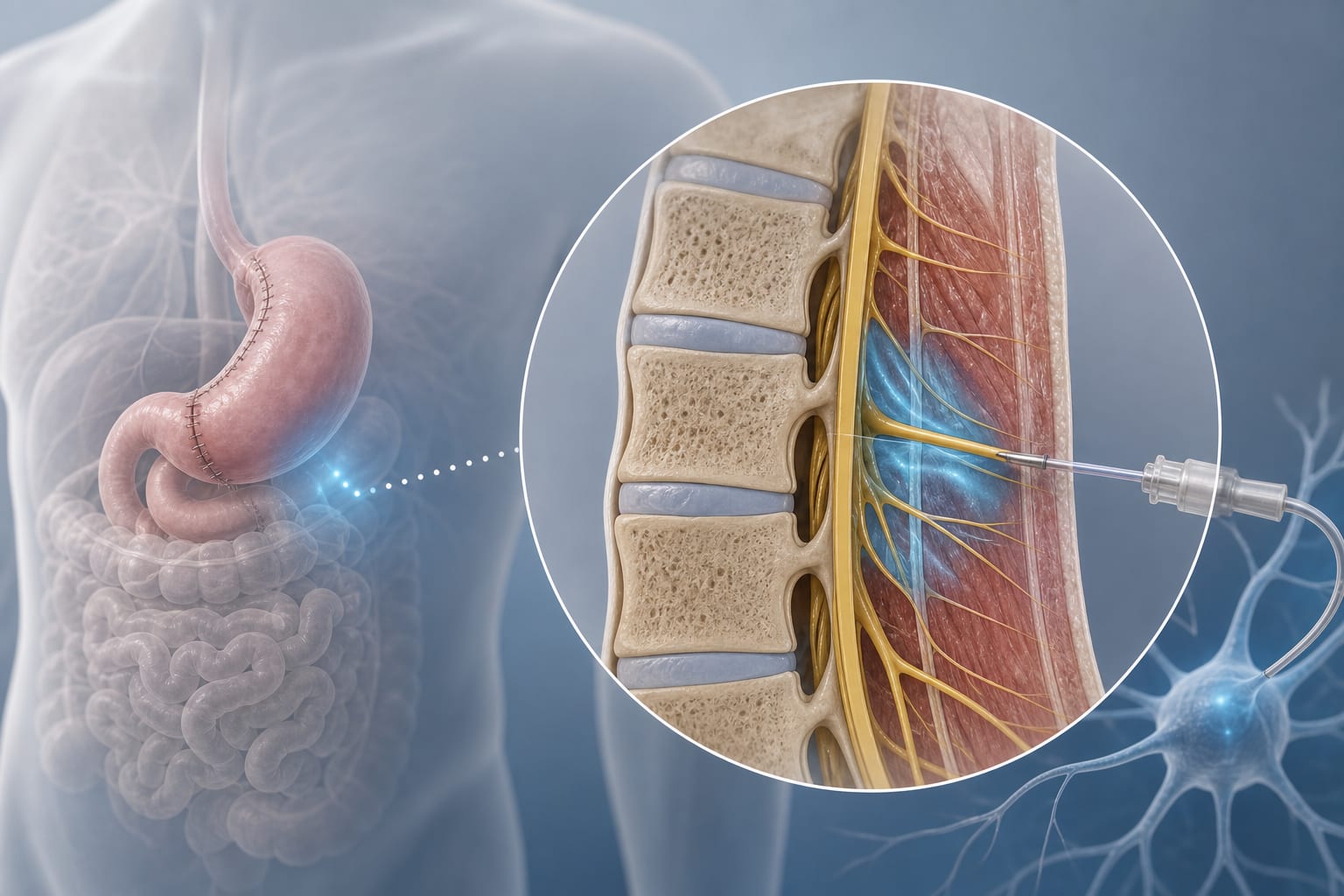
This systematic review and network meta-analysis evaluates the analgesic efficacy of regional analgesia techniques compared to systemic analgesia following radical gastrectomy for gastric cancer. Findings indicate that regional techniques, particularly intertransverse process plane block, significantly reduce postoperative pain and opioid consumption.
Background
Postoperative pain management is crucial in enhancing recovery after surgery (ERAS) for patients undergoing gastrectomy for gastric cancer, a prevalent malignancy with high morbidity and mortality rates. Effective analgesia not only improves patient comfort but also facilitates early mobilization and reduces the risk of complications such as pulmonary issues and gastrointestinal dysmotility. The integration of multimodal analgesia strategies, including regional techniques, is essential to minimize opioid-related adverse effects and optimize recovery.
Intertransverse process plane block (ITPB) shows superior efficacy in managing long-term pain at rest and during movement.
Epidural analgesia (EA) is associated with reduced postoperative opioid consumption and improved immunomodulatory outcomes.
Evidence certainty for the findings ranges from low to moderate, indicating the need for cautious interpretation.
Further high-quality randomized controlled trials are necessary to confirm the benefits of regional analgesia techniques.
Clinical Implications
The findings support the use of regional analgesia techniques, particularly ITPB, as effective options for managing postoperative pain in gastrectomy patients. Clinicians should consider incorporating these techniques into multimodal analgesia strategies to enhance recovery and minimize opioid-related complications.
Conclusion
Regional analgesia techniques may offer significant advantages in postoperative pain management following gastrectomy for gastric cancer. However, the limited certainty of evidence necessitates further investigation to validate these findings.