Clinical Report: Recombinant human IGF-1 mitigates dyslipidemia in mothers
Overview
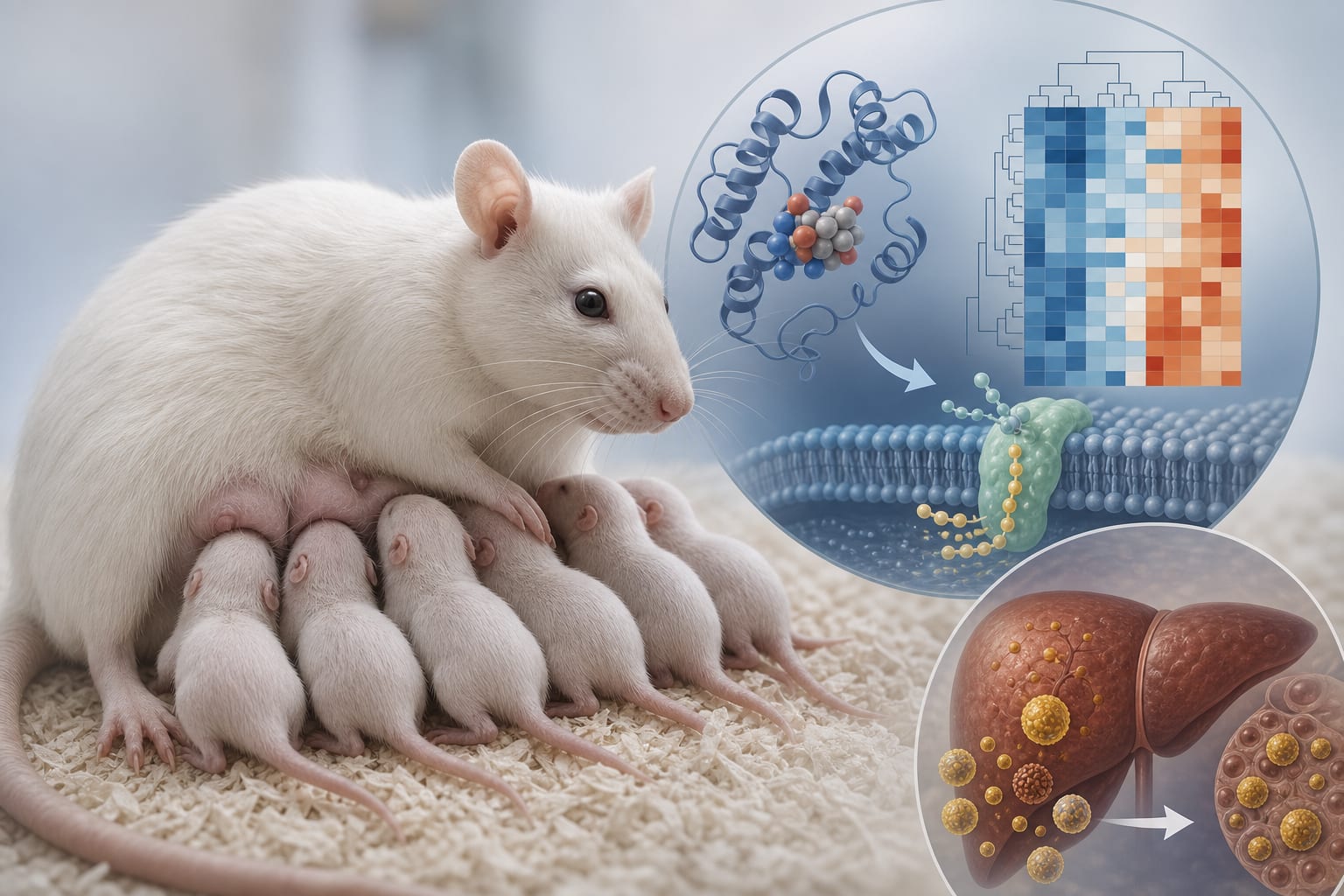
This study investigates the impact of maternal dietary restriction on growth and lipid metabolism in rat offspring, revealing significant dyslipidemia and growth impairment. Treatment with recombinant human IGF-1 (rhIGF-1) did not enhance growth but altered HDL-C levels in the offspring.
Background
Extrauterine growth restriction (EUGR) is a significant concern for preterm infants, often resulting from inadequate maternal nutrition during lactation. This condition can lead to long-term metabolic disorders, making it crucial to understand the underlying mechanisms and potential interventions. The study explores the effects of maternal dietary restrictions on offspring growth and lipid metabolism, providing insights into early-life nutritional interventions.
Data Highlights
Parameter
EUGR Pups
Control Pups
P-value
Body Weight (g)
Lower
Higher
< 0.01
Body Length (cm)
Lower
Higher
< 0.01
Serum Triglycerides (TG)
Reduced
Normal
< 0.05
Total Cholesterol
Elevated
Normal
N/A
HDL-C
Elevated
Normal
N/A
Key Findings
Specify that rhIGF-1 treatment significantly reduced HDL-C levels compared to PBS.
Clinical Implications
The findings underscore the importance of maternal nutrition during lactation and its impact on offspring metabolic health. Clinicians should consider early-life interventions to mitigate the effects of maternal dietary restrictions on growth and lipid metabolism in preterm infants.
Conclusion
Maternal dietary restriction during lactation induces significant dyslipidemia and growth impairment in offspring. While rhIGF-1 treatment did not enhance growth, it provided insights into potential metabolic pathways that could be targeted for therapeutic interventions.