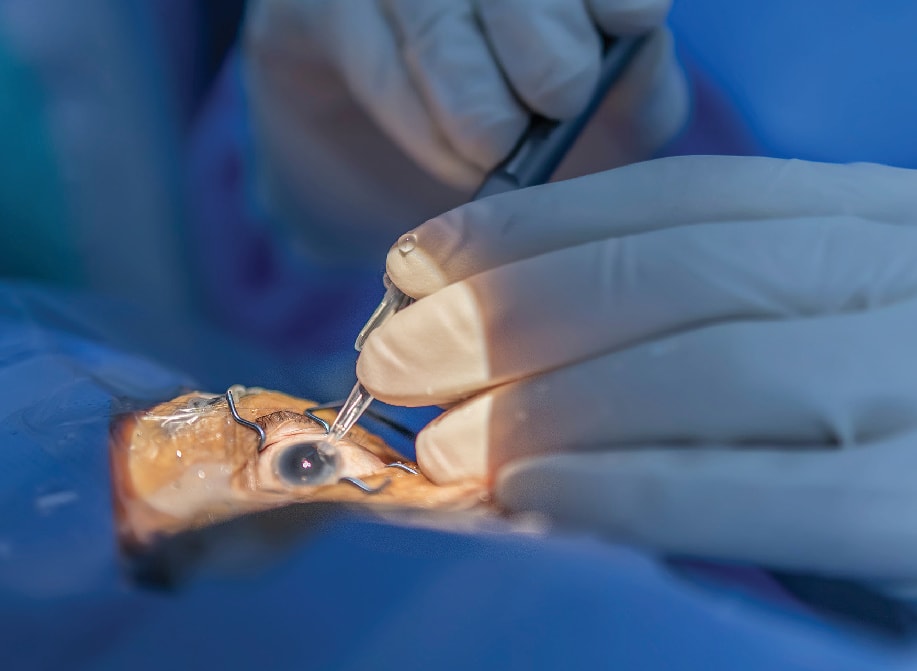
Clinical Report: An Open Letter from a Retina Specialist to Cataract Surgeons
Overview
This letter emphasizes the importance of thorough retinal evaluations prior to cataract surgery to ensure optimal outcomes. It highlights the potential risks of undiagnosed retinal conditions.
Background
Cataract surgery has evolved significantly, allowing for rapid restoration of vision. However, underlying retinal diseases can compromise surgical outcomes, making preoperative retinal assessments crucial.
Data Highlights
No numerical data provided in the source material.
Key Findings
Modern cataract surgery can achieve near-perfect postoperative vision with advanced technologies.
Undiagnosed retinal pathology can jeopardize postoperative outcomes.
Traditional retinal examination methods can be time-consuming and require high-level expertise.
Widefield (WF) and ultra-widefield (UWF) imaging can improve detection of peripheral retinal lesions.
Optomap devices can visualize the retina in many cases, even with media opacities.
Efficient retinal evaluations can enhance diagnostic accuracy.
Clinical Implications
Cataract surgeons should incorporate comprehensive retinal evaluations into their preoperative workflow.
Conclusion
A thorough retinal assessment is essential for cataract surgery success.