Construction and validation of a prediction model for in-stent restenosis following coronary stent implantation during dual antiplatelet therapy - Report - MDSpire

Construction and validation of a prediction model for in-stent restenosis following coronary stent implantation during dual antiplatelet therapy

  • By

  • Zhuoyi Zhang

  • Yalin Huang

  • Yumin Ye

  • Zhenhua Wang

  • May 4, 2026

  • 0 min

Share

Clinical Report: Predictive Model for In-Stent Restenosis After PCI

Overview

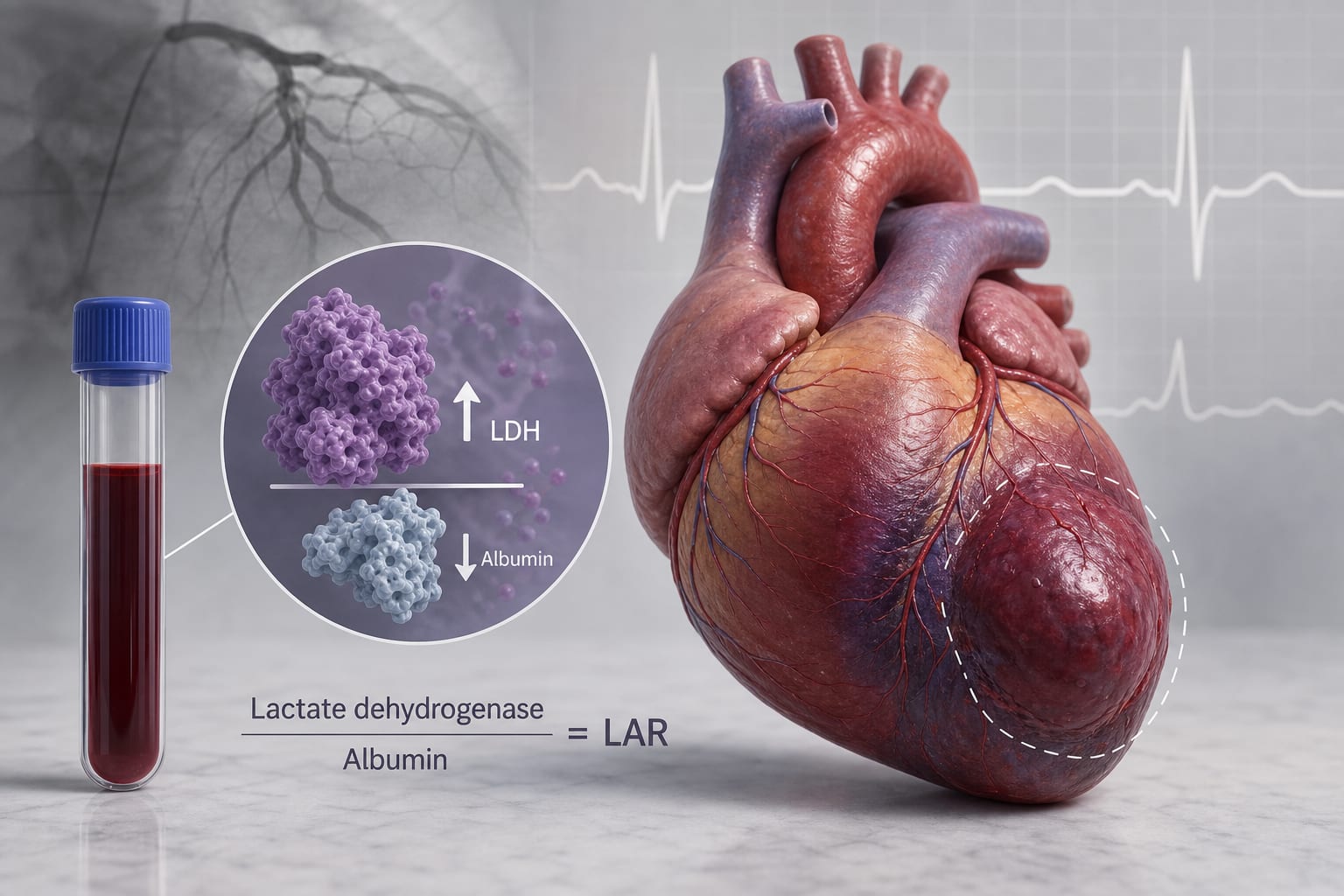
This study developed and validated a predictive model for in-stent restenosis (ISR) after percutaneous coronary intervention (PCI) using thromboelastography parameters and clinical indicators. The model identified key risk factors and demonstrated good discrimination and clinical utility.

Background

In-stent restenosis (ISR) is a significant complication following PCI, impacting patient outcomes and healthcare costs. Effective prediction and management of ISR are crucial for optimizing antiplatelet therapy and improving long-term results in patients with coronary artery disease. Understanding the risk factors associated with ISR can guide individualized treatment strategies.

Data Highlights

{'format': 'Ensure the table is properly formatted for clarity.'}

Key Findings

{'add_predictors': 'List the six key predictors identified by LASSO regression.'}

Clinical Implications

The developed predictive model can assist clinicians in identifying patients at high risk for ISR, allowing for tailored antiplatelet therapy and postoperative management. This individualized approach may enhance patient outcomes and reduce the incidence of ISR following PCI.

Conclusion

The study successfully constructed a predictive model for ISR that integrates TEG parameters and clinical indicators, providing a valuable tool for clinicians in managing patients post-PCI. Further validation in diverse populations is warranted to enhance its applicability.

Related Resources & Content

  1. Clinical Research in Cardiology, 2025 -- Duration of dual antiplatelet therapy and risk of stent thrombosis in patients undergoing complex PCI: a meta-analysis
  2. Clinical Research in Cardiology, 2023 -- Impact of Aspirin Therapy on Platelet Activity and Restenosis Following Percutaneous Coronary Intervention: Findings from the ISAR-ASPI Registry
  3. Clinical Research in Cardiology, 2025 -- Ideal Stent Expansion Metrics for Assessing Outcomes in Percutaneous Coronary Intervention of Calcified Coronary Lesions
  4. 2025 Guideline for Acute Coronary Syndromes - Professional Heart Daily | American Heart Association
  5. Clinical Research in Cardiology — Individualized Assessment of Statin Benefits for Primary and Secondary Vascular Disease Prevention in Older Adults
  6. 2025 Guideline for Acute Coronary Syndromes - Professional Heart Daily | American Heart Association
  7. Incidence and Influencing Factors of In-Stent Restenosis After Percutaneous Coronary Intervention in Patients With Coronary Artery Disease: A Systematic Review and Meta-Analysis - PubMed
  8. In-Stent Restenosis: Incidence, Mechanisms, and Treatment Options - PubMed

Original Source(s)

Related Content