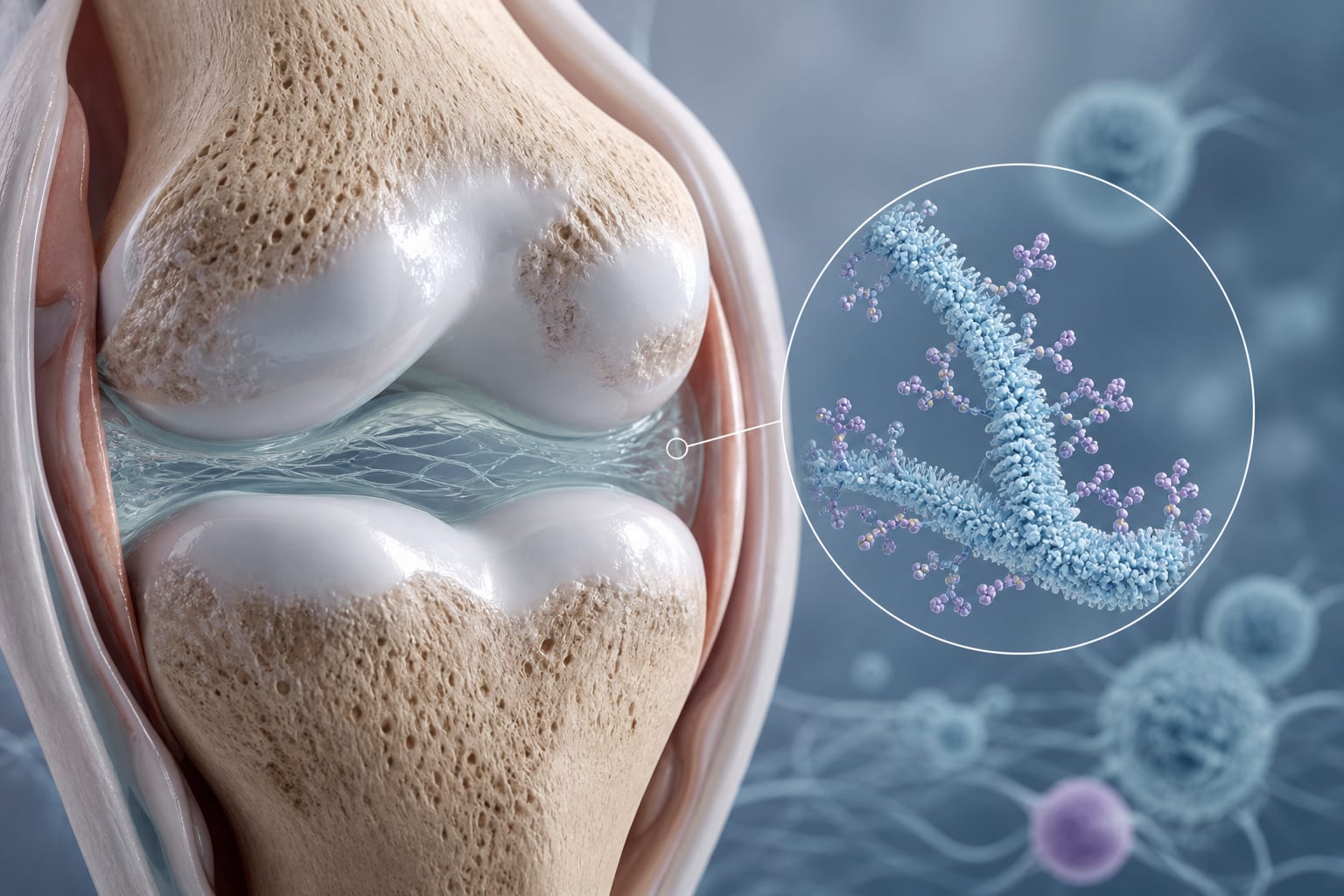
Clinical Report: The Role of Lubricin in Osteoarthritis: Functions and Applications
Background
Osteoarthritis (OA) is a prevalent joint disease characterized by cartilage degradation and inflammation, affecting millions globally. Understanding the biological mechanisms, including the role of lubricin, is crucial for developing effective treatments.
Data Highlights
No numerical data or trial results are presented in the source material.
Key Findings
Lubricin (PRG4) is a chondroprotective glycoprotein that provides boundary lubrication in joints.
It is produced by superficial-zone chondrocytes and synovial fibroblasts.
Lubricin exerts anti-inflammatory signaling and interacts with Toll-like receptors in synovial fluid from OA patients.
Current OA management guidelines do not include lubricin-based therapies.
Translational challenges for PRG4 therapeutics include short intra-articular residence and manufacturing complexities.
Clinical Implications
Current OA management guidelines do not support the use of lubricin-based therapies.
A VHA study across 11 vendors finds AI-generated primary care notes score lower than clinician-written notes, with the largest deficits in thoroughness, organization, and usefulness