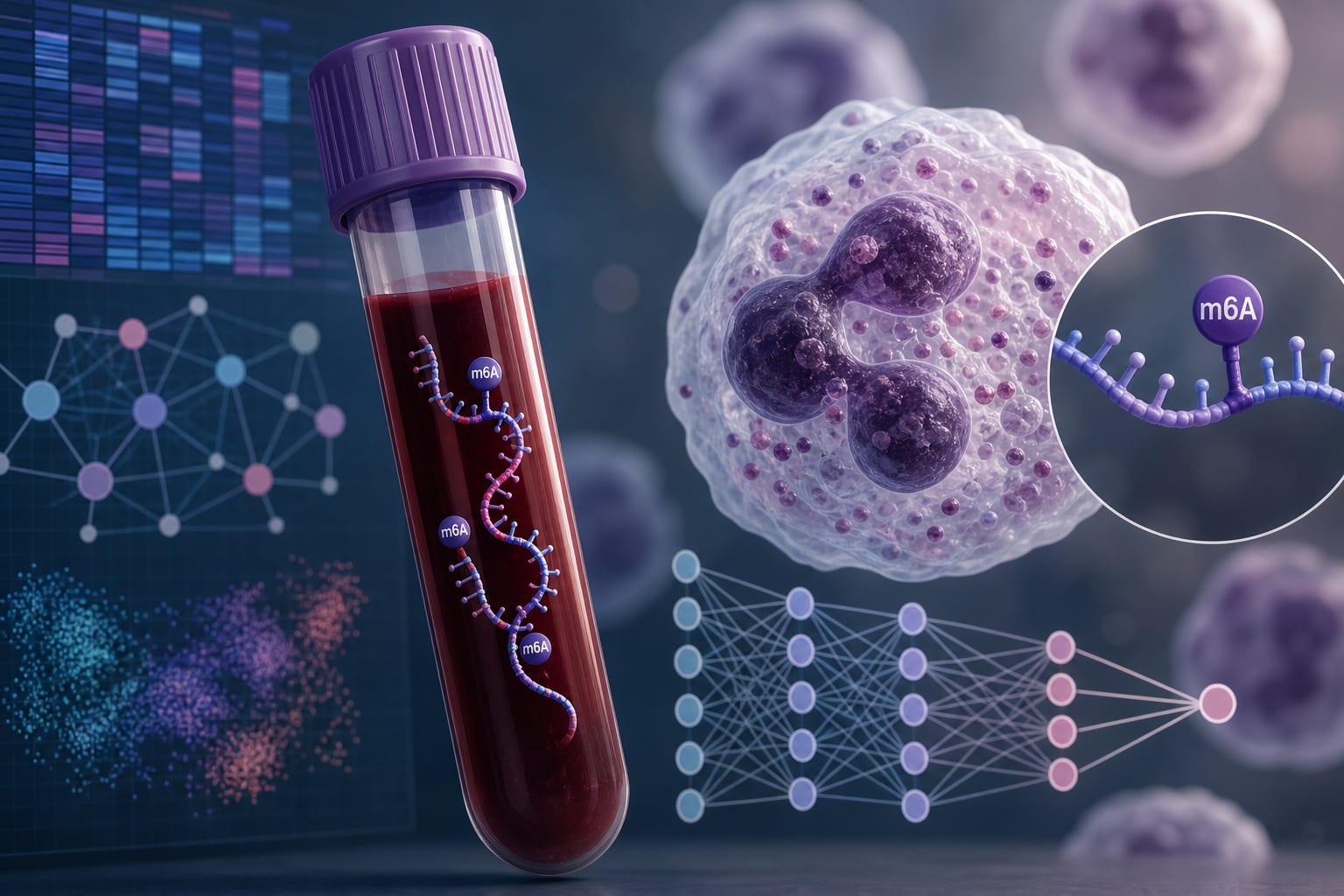
Clinical Report: Mechanisms and Therapeutic Approaches of Gasdermin D-Induced Pyroptosis in Sepsis
Overview
Gasdermin D (GSDMD)-induced pyroptosis plays a critical role in sepsis pathogenesis, contributing to both hyperinflammation and immunosuppression. Targeting GSDMD may offer new therapeutic avenues, with promising agents showing potential to reduce mortality in sepsis patients.
Background
Sepsis remains a leading cause of mortality worldwide, with significant morbidity and healthcare costs. The dysregulated immune response in sepsis, characterized by hyperinflammation and subsequent immunosuppression, complicates management. Understanding the mechanisms of pyroptosis, particularly through GSDMD, is essential for developing targeted therapies.
Data Highlights
No numerical data available in the provided source.
Key Findings
GSDMD is activated through both canonical and non-canonical pathways, leading to pyroptosis.
Pyroptosis contributes to multi-organ injury and is linked to both hyperinflammatory and immunosuppressive phases of sepsis.
Elevated GSDMD-NT levels (>120 ng/mL) indicate a hyperinflammatory endotype in sepsis.
Therapeutic agents like disulfiram and anti-GSDMD mAb26.5 have shown promise in reducing mortality.
Clinical translation of GSDMD-targeted therapies faces challenges, including biomarker validation and organ-specific delivery.
Clinical Implications
Clinicians should consider the role of GSDMD in sepsis pathophysiology when evaluating treatment options. The identification of GSDMD as a therapeutic target may lead to innovative strategies to mitigate sepsis-related organ damage and improve patient outcomes.
Conclusion
GSDMD-driven pyroptosis is a pivotal mechanism in sepsis, highlighting the need for targeted therapies. Continued research into GSDMD and its pathways may enhance clinical management of sepsis.