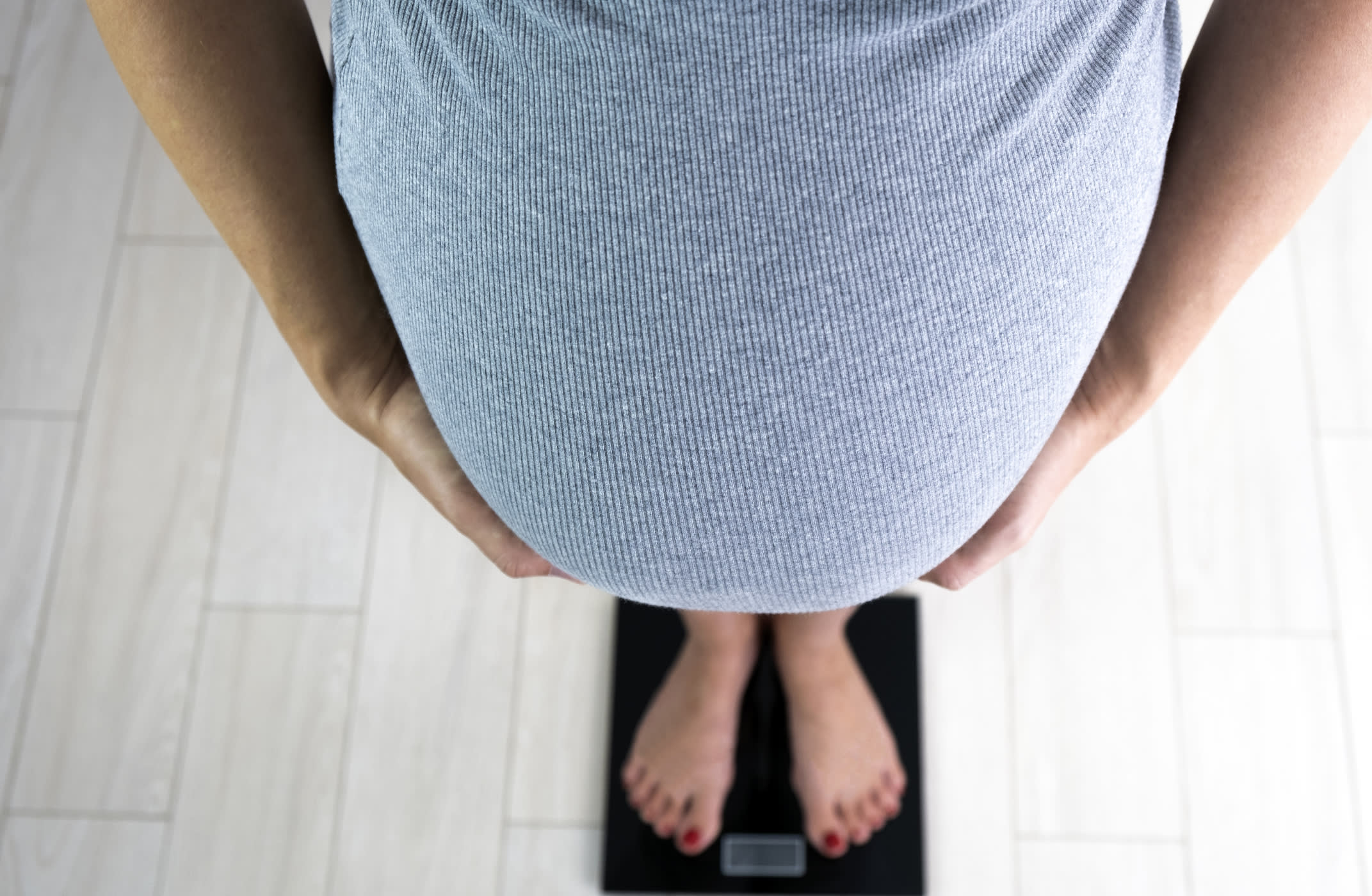
Clinical Report: GROWell App Fails to Curb Pregnancy Weight Gain
Overview
The GROWell app-based dietary intervention did not significantly reduce excessive gestational weight gain (GWG) or postpartum weight retention (PPWR) compared to an educational control in a randomized controlled trial involving 453 pregnant women. Despite the lack of effectiveness, both groups exhibited lower rates of excessive GWG and PPWR than national averages.
Background
Excessive gestational weight gain is a significant concern due to its association with adverse maternal and neonatal outcomes, including gestational diabetes and preeclampsia. The rising prevalence of obesity among women of reproductive age necessitates effective interventions to manage weight during pregnancy. Understanding the efficacy of digital health interventions like GROWell is crucial for developing future strategies to support pregnant women.
Data Highlights
Outcome
GROWell Group
Control Group
Excessive GWG
35%
36%
PPWR at 6 months
23%
26%
Key Findings
The GROWell intervention did not significantly reduce excessive GWG or PPWR compared to the control group.
35% of women in the intervention group experienced excessive GWG, similar to 36% in the control group.
At 6 months postpartum, 23% of the intervention group met criteria for PPWR, compared to 26% in the control group.
Adherence to dietary goal tracking averaged 72% among intervention participants.
Both groups had lower rates of excessive GWG and PPWR than commonly reported national averages.
Future studies should explore the timing of intervention delivery and incorporate physical activity components.
Clinical Implications
Healthcare providers should be aware that while digital interventions like GROWell may not significantly impact weight outcomes, they can still provide valuable support for pregnant women. It is essential to consider individual patient characteristics and educational levels when recommending dietary interventions.
Conclusion
The GROWell app-based intervention did not achieve its intended outcomes, highlighting the need for further research into effective strategies for managing weight during pregnancy.
Tamoxifen is commonly prescribed in hormone receptor-positive breast cancer but also associated with weight gain, which can complicate survivorship care. This narrative review summarizes evidence on tamoxifen-associated weight gain and outlines pharmacologic weight management options in this population.