Clinical Report: The Impact of Diet, Lifestyle, and Therapeutic Strategies on Immune Function
Overview
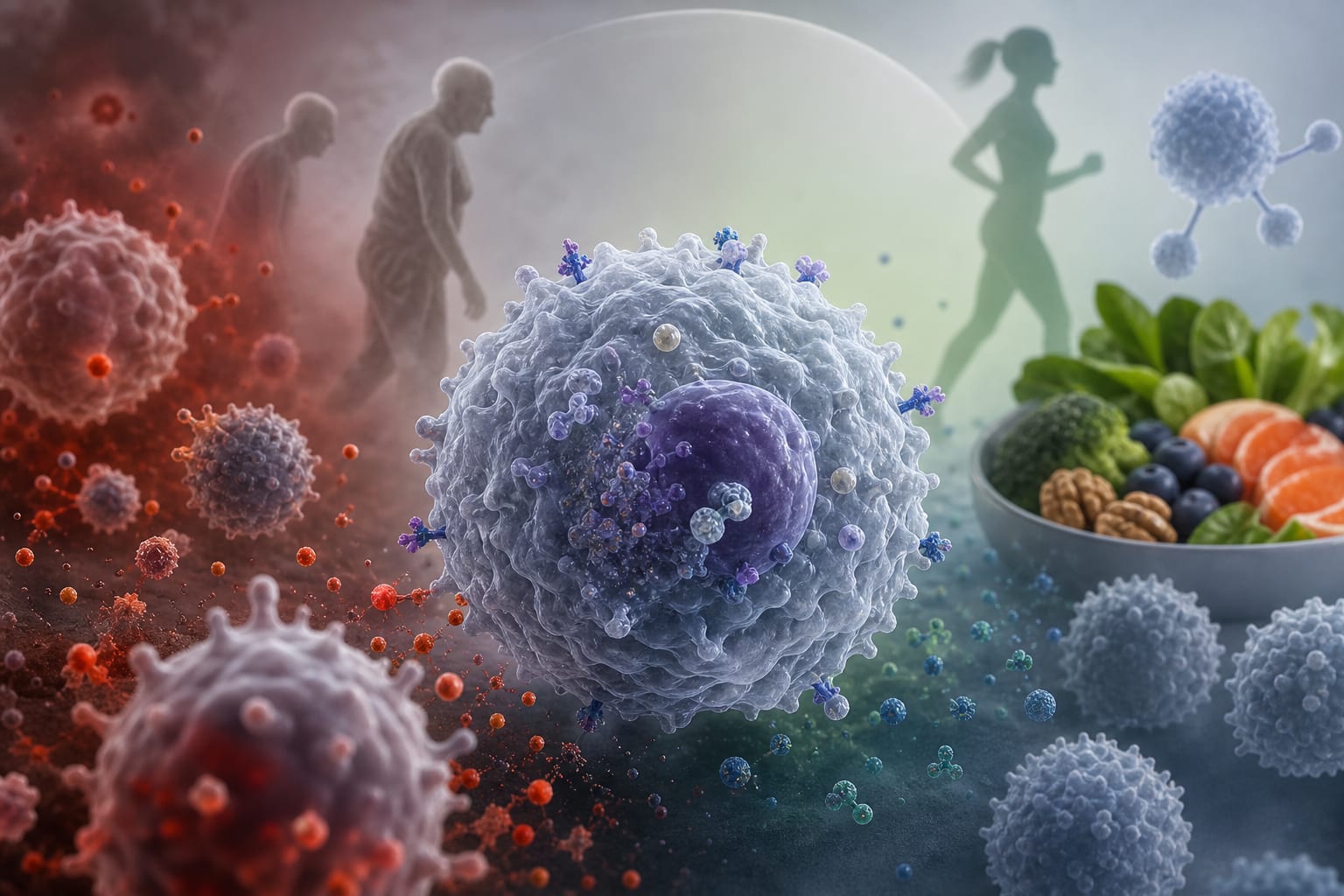
This editorial discusses the decline in immune function associated with aging, termed immunosenescence and inflammaging, and explores various strategies to modulate immune responses through diet, lifestyle, and therapeutic interventions.
Background
Aging is associated with a decline in immune system function, increasing susceptibility to infections, cancer, and autoimmune diseases. Immunosenescence and inflammaging are critical concepts that describe age-related immune dysfunction and chronic inflammation.
Data Highlights
No specific numerical data or trial results are provided in the editorial.
Key Findings
Aging leads to immunosenescence, characterized by a decline in immune function.
Moderate-intensity exercise can improve inflammatory cytokine profiles and insulin sensitivity (Luo et al.).
Mind-body therapies may influence pro-inflammatory cytokine levels in patients with depression (Mei et al.).
Research indicates that master athletes exhibit enhanced immune regulation and cellular plasticity (Minuzzi et al.).
Pharmacological targeting of molecular mechanisms may offer therapeutic potential for age-related conditions (Huang et al.).
Clinical Implications
Understanding the molecular mechanisms of immunosenescence may guide future therapeutic strategies.
Conclusion
This editorial discusses the importance of research into non-pharmacological interventions and molecular strategies to combat immunosenescence and inflammaging.