Clinical Report: Investigating Neurobiological Indicators of Suicidal Behavior in Youth
Overview
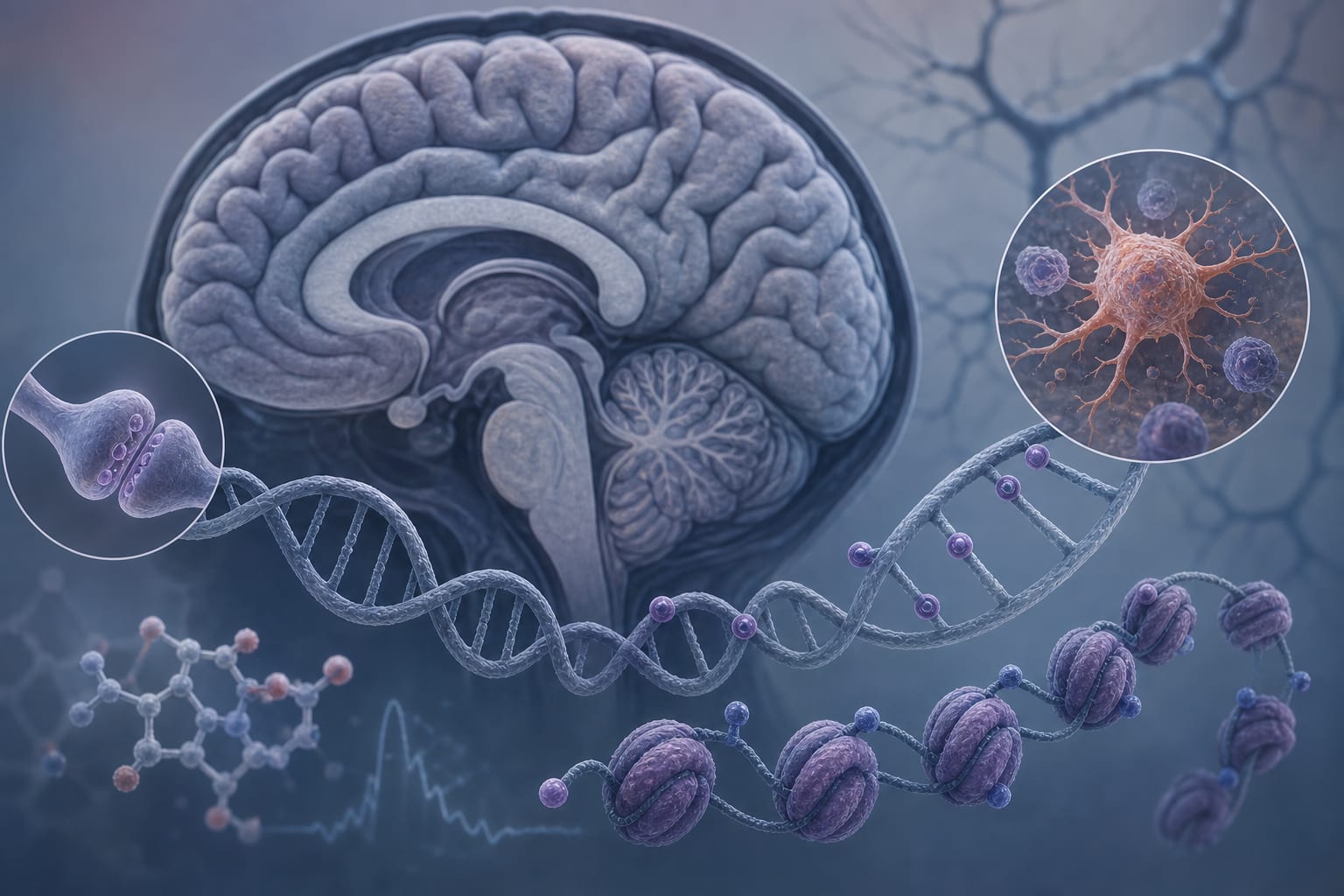
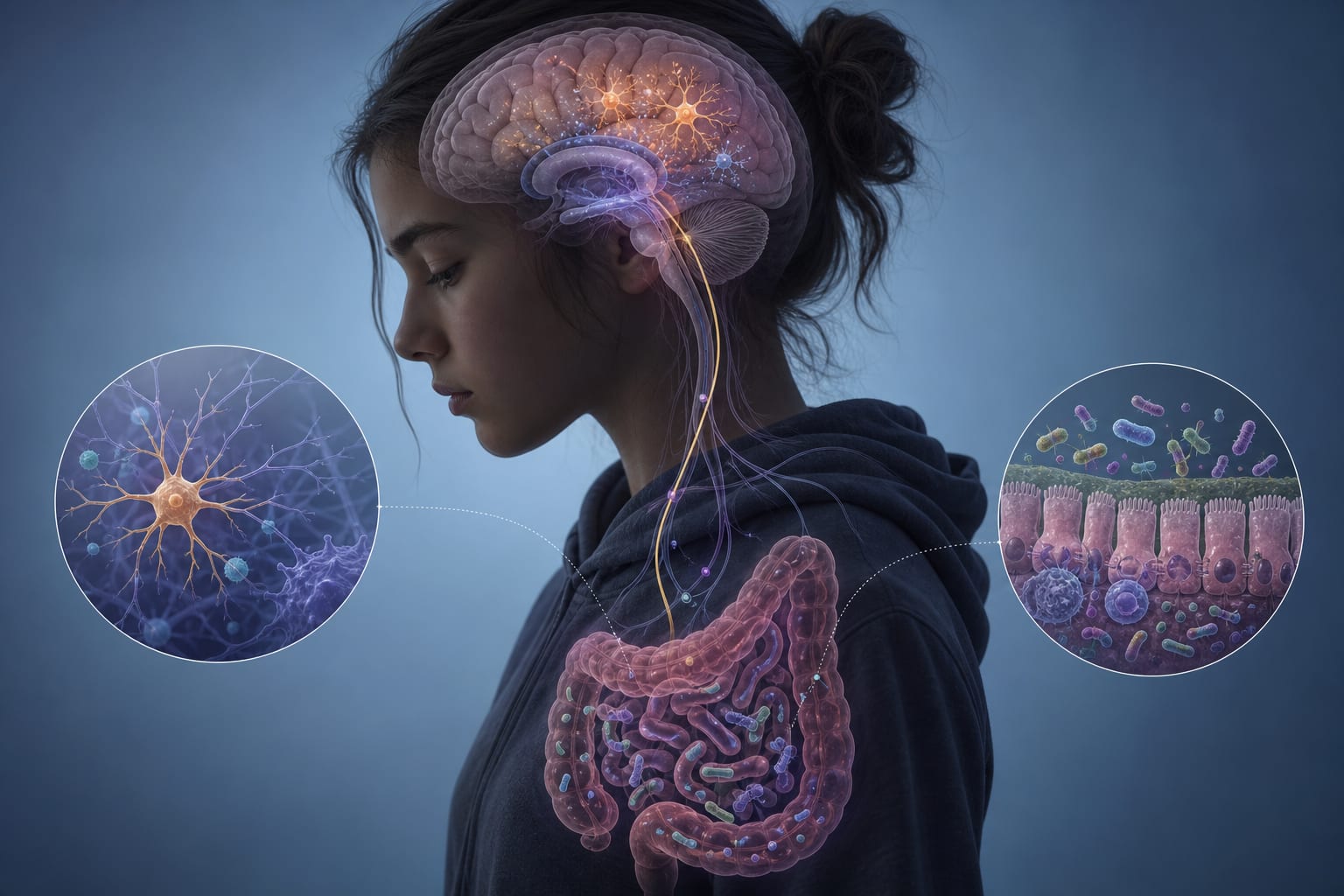
This comprehensive review highlights the distinct neurobiological correlates of suicidal behavior in children and adolescents, emphasizing that findings from adult studies cannot be directly applied to youth populations. It identifies key biological markers and suggests a developmental cascade influenced by genetic and environmental factors.
Background
Suicide is the second leading cause of death among children and adolescents, with an alarming rise in rates over the past two decades. Understanding the neurobiological underpinnings of suicidal behavior in youth is crucial for developing targeted interventions. Current evidence indicates that pediatric suicidal behavior reflects distinct biological processes that differ from those observed in adults.
Data Highlights
No numerical data or trial data presented in the article.
Cortisol regulation and stress-related DNA methylation markers differ in direction between pediatric and adult populations.
Genetic liability and early-life adversity influence the hypothalamic-pituitary-adrenal axis, impacting neurobiological processes.
Developmentally distinct biological processes are involved in pediatric suicidal behavior.
Longitudinal, multimodal studies are necessary to advance understanding and intervention strategies.
Clinical Implications
Clinicians should recognize that pediatric suicidal behavior may not align with adult findings and requires tailored approaches. Emphasis on developmental factors and early-life experiences is essential for effective prevention and intervention strategies.
Conclusion
The review underscores the need for age-specific research to inform clinical practices and interventions for suicidal behavior in youth, highlighting the importance of understanding the unique neurobiological landscape of this population.