Regulation of microRNA in cancer through alkaloids: molecular mechanisms
Overview
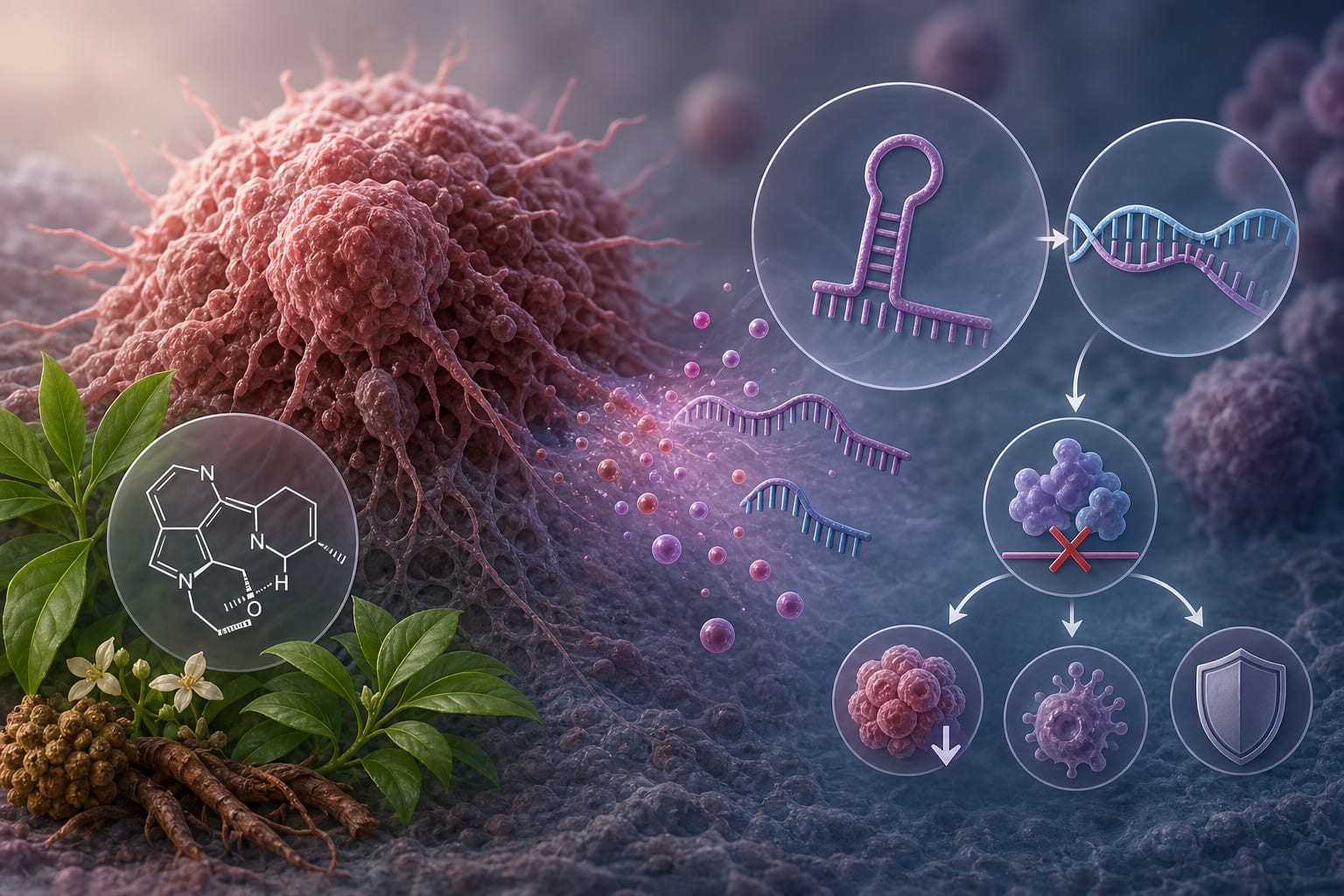
This review evaluates the role of alkaloids in regulating microRNA expression and their effects on cancer progression. Alkaloids have shown significant anticancer potential by influencing various cellular processes and pathways associated with tumorigenesis.
Background
Cancer remains a leading cause of mortality globally, necessitating ongoing research into effective treatment strategies. The deregulation of microRNAs (miRNAs) is implicated in tumorigenesis and metastasis across various cancers. Alkaloids, derived from plants, have emerged as promising agents in cancer therapy due to their ability to modulate miRNA expression and impact cancer cell behavior.
Data Highlights
No numerical data or trial data is provided in the source material.
Key Findings
Alkaloids possess strong anticancer potential and have been developed into drugs such as vincristine and vinblastine.
These compounds can regulate miRNA expression, inhibiting cancer cell invasion and migration.
Alkaloids influence multiple cellular pathways associated with cancer, including apoptosis and cell cycle regulation.
Research indicates that miRNAs are key regulators in the anticancer mechanisms of alkaloids.
Plant-derived alkaloids are considered vital in the development of novel anticancer therapeutic agents.
Clinical Implications
The modulation of miRNA by alkaloids presents a potential avenue for enhancing cancer treatment efficacy. Understanding the mechanisms through which these compounds operate may inform future therapeutic strategies and adjunctive treatments in oncology.
Conclusion
Alkaloids represent a significant area of interest in cancer research due to their ability to regulate miRNA expression and influence tumor behavior. Continued exploration of these natural compounds may lead to improved therapeutic options for cancer patients.