Clinical Report: Rivaroxaban for Thromboprophylaxis After Bariatric Surgery
Background
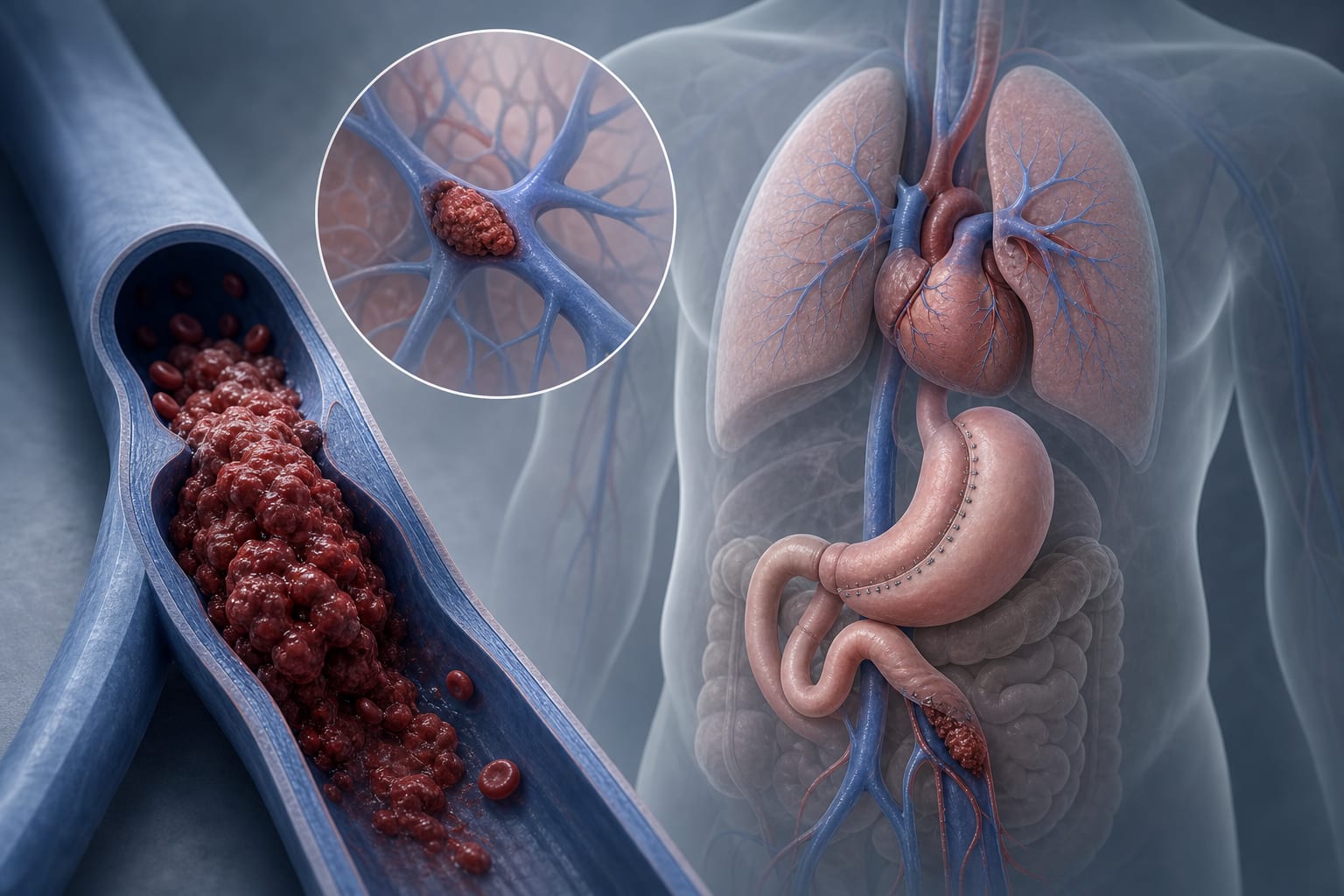
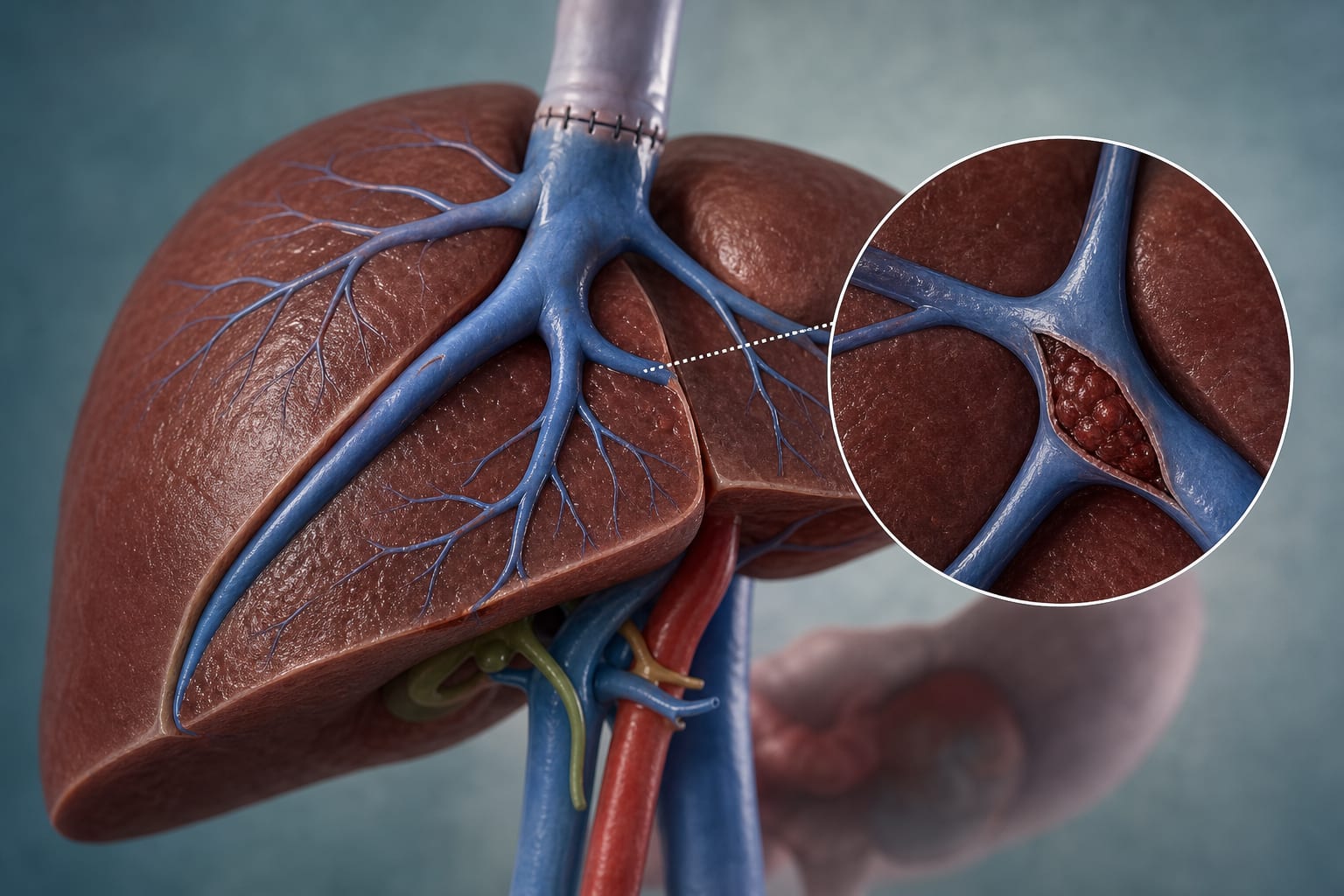
Bariatric surgery is associated with a risk of venous thromboembolism (VTE), which can lead to significant morbidity and mortality. Current guidelines recommend pharmacological thromboprophylaxis, primarily with low molecular weight heparin (LMWH), but there is variability in practice. Rivaroxaban, a direct oral anticoagulant, has gained attention for its potential use in this context due to its favorable pharmacokinetic profile, although concerns about malabsorption post-surgery limit its recommendation in some guidelines.
Data Highlights
No numerical data available in the source material.
Key Findings
VTE incidence after bariatric surgery ranges from 0.2% to 5%, contributing to postoperative morbidity.
Rivaroxaban has shown no significant difference in VTE or bleeding risk compared to LMWH in non-major orthopedic surgery.
Clinical trials indicate that rivaroxaban's pharmacokinetics are not adversely affected by bariatric surgery.
The European guidelines do not currently recommend DOACs due to concerns about malabsorption post-surgery.
Extended prophylaxis is advised for at least 10 days post-operatively, as most VTE events occur after hospital discharge.
Clinical Implications
Clinicians should remain aware of the current guidelines and individual patient risk factors when selecting prophylactic strategies.
Conclusion
Rivaroxaban presents a potential option for thromboprophylaxis after bariatric surgery.