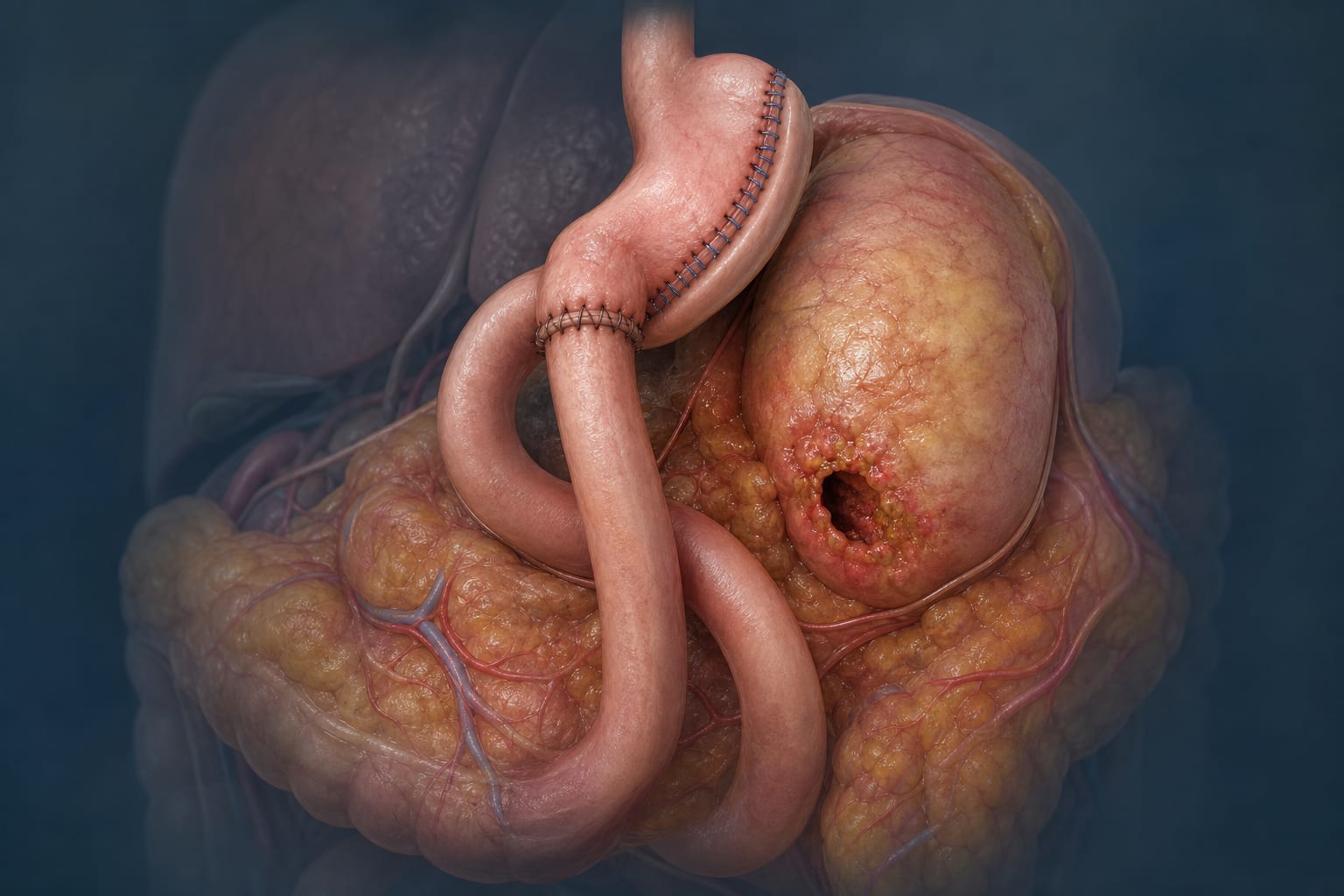
A Mindfulness-Based Intervention for Binge Eating, Self-Compassion, and Mindfulness in Brazilian Women With Weight Regain After Metabolic and Bariatric Surgery: a Pilot Feasibility Study - Report - MDSpire
Advertisement
A Mindfulness-Based Intervention for Binge Eating, Self-Compassion, and Mindfulness in Brazilian Women With Weight Regain After Metabolic and Bariatric Surgery: a Pilot Feasibility Study
Mindfulness Intervention for Binge Eating and Weight Regain Post-Bariatric Surgery
Overview
This pilot study evaluated the feasibility of a mindfulness-based intervention targeting binge eating, self-compassion, and mindfulness among Brazilian women experiencing weight regain after metabolic and bariatric surgery (MBS). The intervention showed promise in addressing maladaptive eating behaviors and emotional dysregulation that contribute to postoperative weight regain.
Background
Metabolic and bariatric surgery is effective for substantial weight loss and improvement of obesity-related comorbidities, with typical weight loss around 40% in the first year. However, about 30% of patients experience insufficient weight loss or weight regain within 1-2 years post-surgery, often due to disordered eating behaviors such as binge eating and emotional eating. These behaviors may persist or reemerge postoperatively and are linked to emotional dysregulation and impulsivity. Mindfulness-based interventions like Mindfulness-Based Eating Awareness Training (MB-EAT) have shown efficacy in reducing binge and emotional eating and improving self-regulation in post-MBS populations.
Data Highlights
Approximately 30% of patients experience weight regain within 1-2 years after MBS. MB-EAT has been associated with reductions in emotional and binge eating, improvements in emotional regulation, and decreased depression in post-MBS adults. Neural activity reductions in brain regions linked to rumination and self-criticism have been observed with mindfulness practice, contributing to decreased negative thoughts and guilt related to binge eating.
Key Findings
Binge eating behaviors often persist or reemerge after MBS and contribute significantly to weight regain.
Weight regain post-MBS has both physiological and psychosocial consequences, including negative emotions like shame and self-blame.
Conventional treatments focusing solely on diet and exercise have limited success in addressing long-term weight regain due to lack of emphasis on emotional and behavioral coping strategies.
Mindfulness-based interventions, particularly MB-EAT, effectively reduce binge and emotional eating by enhancing awareness of hunger, satiety, and emotional triggers.
MB-EAT fosters self-compassion and perceived control over eating, which are critical for sustainable behavioral change post-MBS.
Neuroimaging studies support mindfulness practice in modulating brain regions involved in rumination and self-criticism, reducing negative affect linked to disordered eating.
Clinical Implications
Integrating mindfulness-based interventions such as MB-EAT into postoperative care for MBS patients may improve long-term weight management by addressing underlying emotional and behavioral factors contributing to weight regain. Clinicians should consider incorporating psychological and behavioral support focused on mindful eating and self-compassion to complement traditional diet and exercise recommendations.
Conclusion
Mindfulness-based interventions targeting binge eating and emotional regulation appear feasible and beneficial for women experiencing weight regain after bariatric surgery. Such approaches hold promise for enhancing postoperative outcomes by addressing both behavioral and psychosocial dimensions of eating.
References
Silva et al. 2021 -- Psychosocial Impact of Weight Regain Post-Bariatric Surgery
Barbosa et al. 2022 -- Emotional Repercussions of Weight Regain
Chacko et al. 2020 -- MB-EAT Intervention in Post-Bariatric Adults
Wnuk et al. 2021 -- Emotional Regulation and Eating Behavior Post-MBS
Kristeller & Wolever 2011 -- Mindfulness-Based Eating Awareness Training
by Ana Flávia de Sousa Silva, João Henrique Fabiano Motarelli, Geórgia das Graças Pena, Fernanda Rodrigues de Oliveira Penaforte, Camila Cremonezi Japur
A retrospective database study found a low absolute incidence but higher relative hazard of ischemic optic neuropathy following semaglutide initiation.