Serum Thyroglobulin Levels and Thyroid Function in Low-Thyrotropin Conditions
Overview
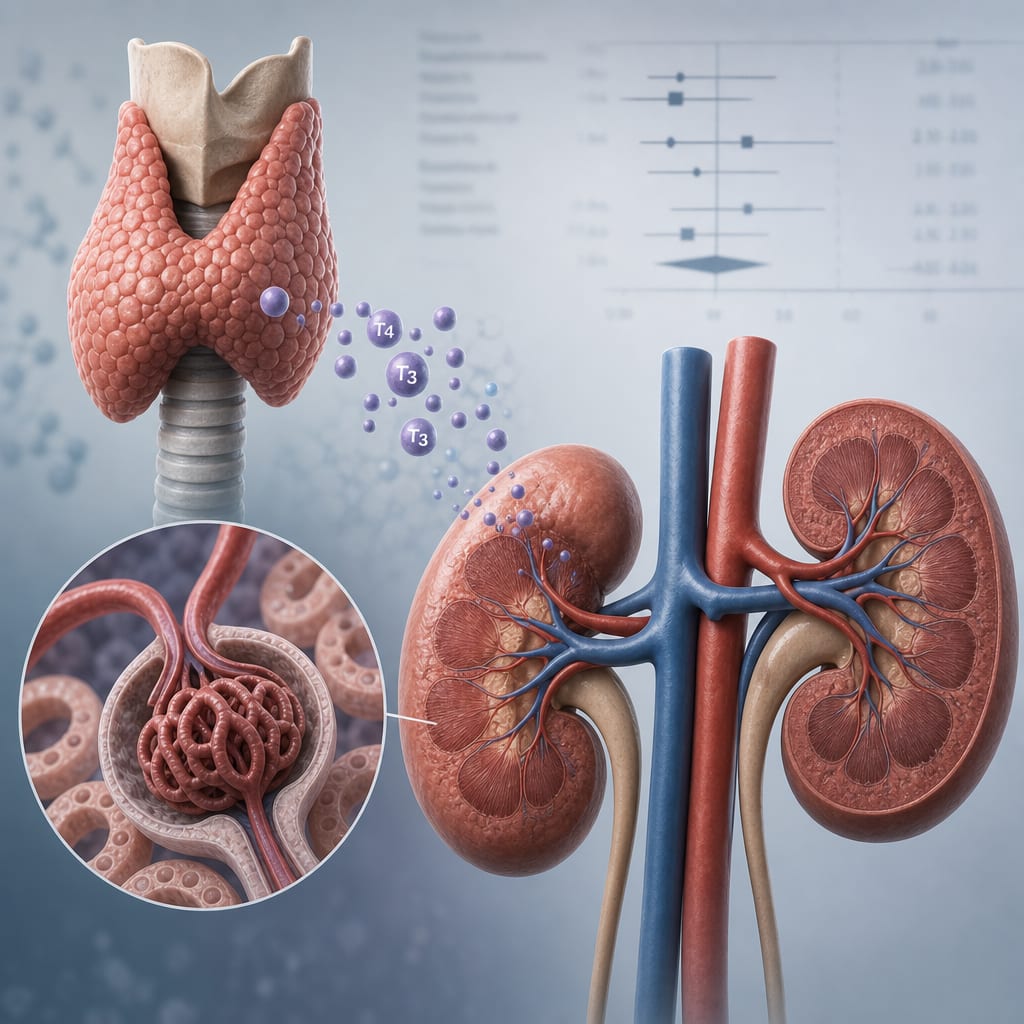
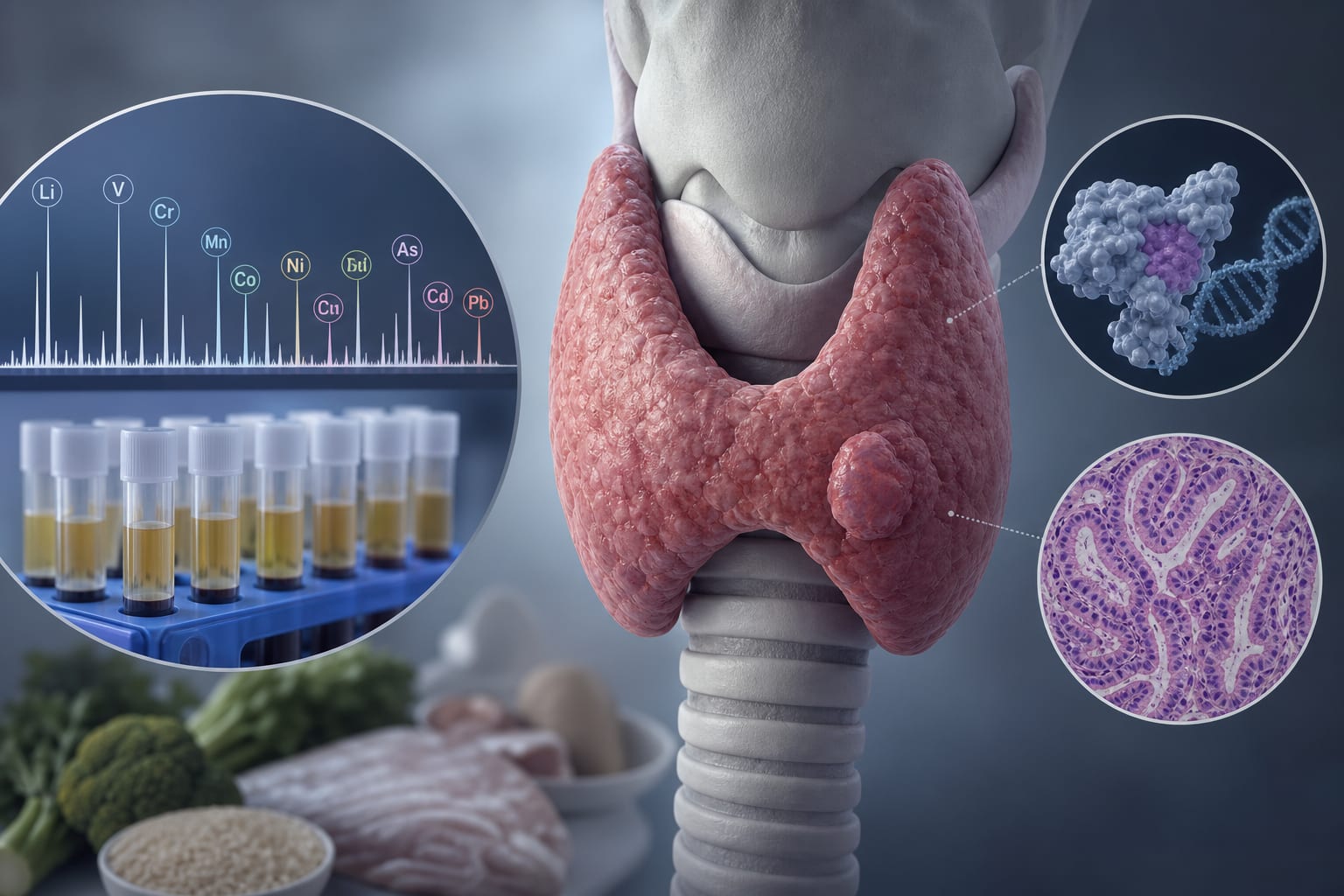
This study investigates the relationship between serum thyroglobulin (Tg) levels and thyroid function in patients with varying thyroid-stimulating hormone (TSH) levels. It finds that patients with low-TSH conditions exhibit significantly higher Tg levels, suggesting potential clinical utility in understanding autoimmune hyperthyroidism.
Background
Thyroglobulin (Tg) is a crucial biomarker for diagnosing and managing thyroid diseases, particularly in differentiating thyrotoxicosis from other causes of thyroid hormone excess. Understanding Tg levels in low-TSH conditions is essential, as they can indicate underlying thyroid dysfunction and inform clinical decision-making. This study aims to clarify the significance of Tg in patients with abnormal thyroid function, particularly in autoimmune conditions.
Data Highlights
Group
Serum Tg Levels (ng/mL)
High-TSH (> 4.23 μIU/mL)
34.70 ± 13.62
Normal-TSH (0.61–4.23 μIU/mL)
70.20 ± 23.48
Low-TSH (< 0.61 μIU/mL)
118.66 ± 32.13
Key Findings
The low-TSH group had significantly higher serum Tg levels compared to normal-TSH and high-TSH groups.
Elevated Tg levels in the low-TSH group were exclusively observed in patients positive for TSH-receptor antibodies (TRAb) or thyroid-stimulating antibodies (TSAb).
There was a positive correlation between Tg levels and the FT3/FT4 ratio in the low-TSH group.
This correlation was stronger in patients positive for both TRAb and TSAb.
Findings suggest Tg levels may reflect T3 predominance in autoimmune hyperthyroidism.
Clinical Implications
Clinicians should consider serum Tg levels as a potential indicator of thyroid function, especially in patients with low-TSH conditions. Elevated Tg levels may provide insights into the pathophysiology of autoimmune hyperthyroidism and assist in tailoring patient management strategies.
Conclusion
The study highlights the importance of serum Tg levels in understanding thyroid function in low-TSH conditions, suggesting their utility in clinical practice for characterizing autoimmune thyroid diseases.
Nearly 90% of patients who met algorithmic criteria for postacute sequelae of SARS-CoV-2 infection had at least 1 chronic or potentially chronic condition requiring ongoing clinical management.