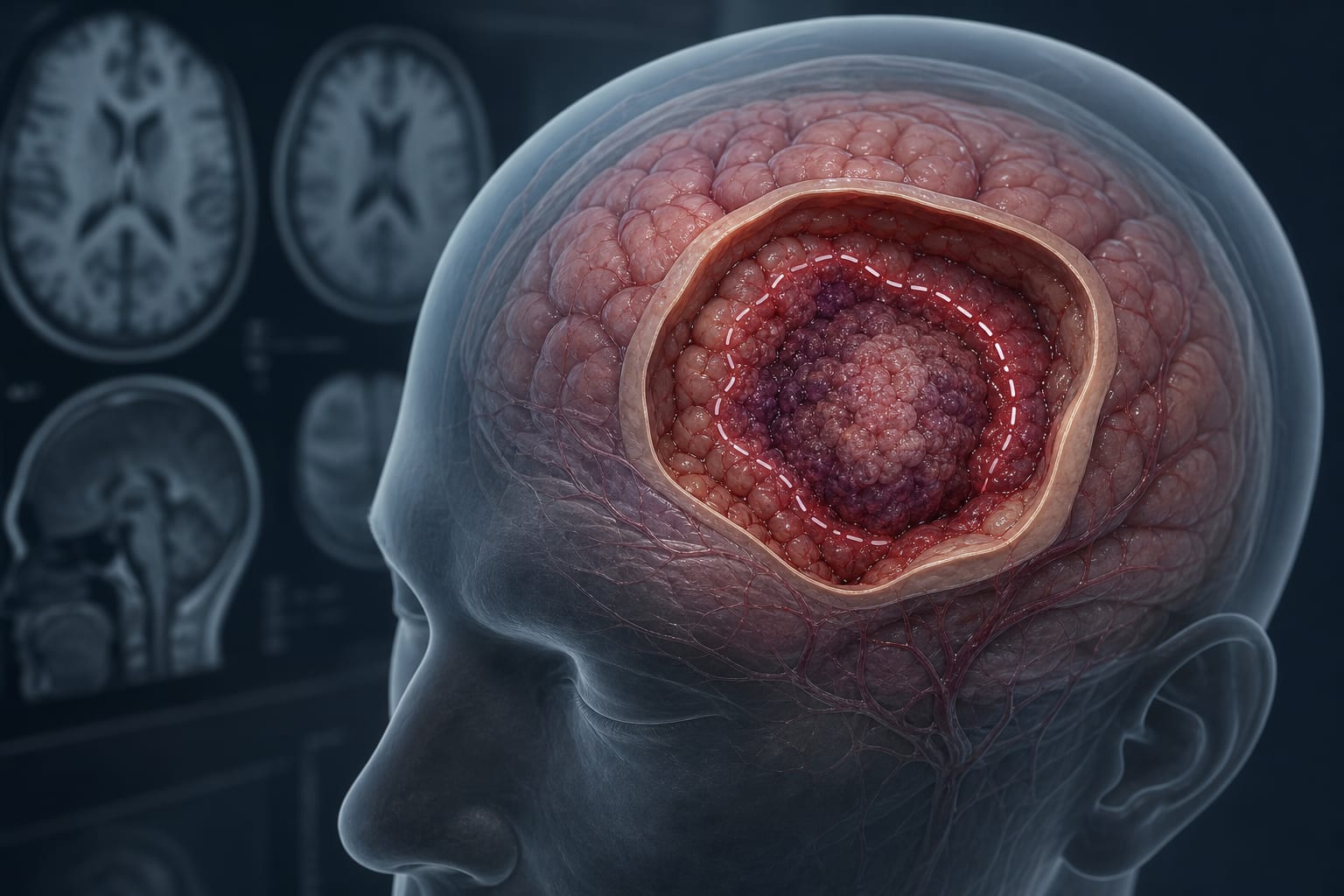
Clinical Report: Reorganization of Language Networks Associated with Metaplasticity in the Context of Gliomas
Overview
This study investigates the dynamic reorganization of language networks in patients with gliomas, highlighting the influence of clinicopathological factors on language performance. The findings suggest a complex interplay between tumor characteristics and language network topology, which may inform surgical strategies.
Background
Gliomas are the most common primary brain tumors and can lead to significant cognitive and linguistic changes due to their progressive growth. Understanding how gliomas affect language processing is crucial for optimizing surgical outcomes and preserving cognitive function. This study aims to clarify the mechanisms of language network reorganization in glioma patients, which is essential for personalized surgical planning.
Data Highlights
Parameter
Findings
Study Population
100 patients with gliomas, 127 matched controls
Activation Patterns
Right-hemispheric lateralization in domain-general networks
Task Demands
Increased positive effective connections in reorganized language networks
ANOVA Results
Alterations in language network topology linked to domain-general engagement
Key Findings
Activation analyses revealed glioma-induced reorganization patterns with right-hemispheric lateralization.
Task demands increased effective connections within the reorganized language network.
ANOVAs indicated that language network topology changes were associated with domain-general network engagement.
Mediation analyses suggested pathways among clinicopathological factors, topological properties, and language performance.
Findings support the concept of glioma-related network metaplasticity.
Clinical Implications
The study's findings may guide personalized surgical strategies by highlighting the importance of understanding individual language network reorganization in glioma patients. This knowledge can help optimize functional protection during surgery.
Conclusion
The dynamics of language reorganization in glioma patients are influenced by various clinicopathological factors, providing insights for future research and surgical planning.