Evaluating the Prognostic Significance of Immunoscore in Liver Metastases from Colorectal Cancer: A Meta-Analysis Demonstrates the Advantages of Profiling Metastatic Tumors Over Primary Tumors - Report - MDSpire
Advertisement
Evaluating the Prognostic Significance of Immunoscore in Liver Metastases from Colorectal Cancer: A Meta-Analysis Demonstrates the Advantages of Profiling Metastatic Tumors Over Primary Tumors
Clinical Report: Evaluating the Prognostic Significance of Immunoscore in Liver Metastases
Overview
This meta-analysis evaluates the prognostic significance of the Immunoscore (IS) in liver metastases from colorectal cancer (CRC), demonstrating that IS of metastatic tumors is more predictive of patient outcomes than that of primary tumors. The findings suggest that profiling metastatic tumors can enhance prognostic accuracy and inform treatment decisions.
Background
Colorectal cancer (CRC) is a leading cause of cancer-related mortality, with liver metastases significantly impacting survival rates. Current prognostic tools, such as the clinical risk score (CRS), do not fully account for survival variability among patients. The Immunoscore (IS) has emerged as a promising biomarker, potentially offering improved prognostic capabilities in metastatic settings.
Data Highlights
No numerical data available in the provided source material.
Key Findings
The Immunoscore (IS) quantifies immune cell densities in tumors and has been validated as a prognostic indicator in CRC.
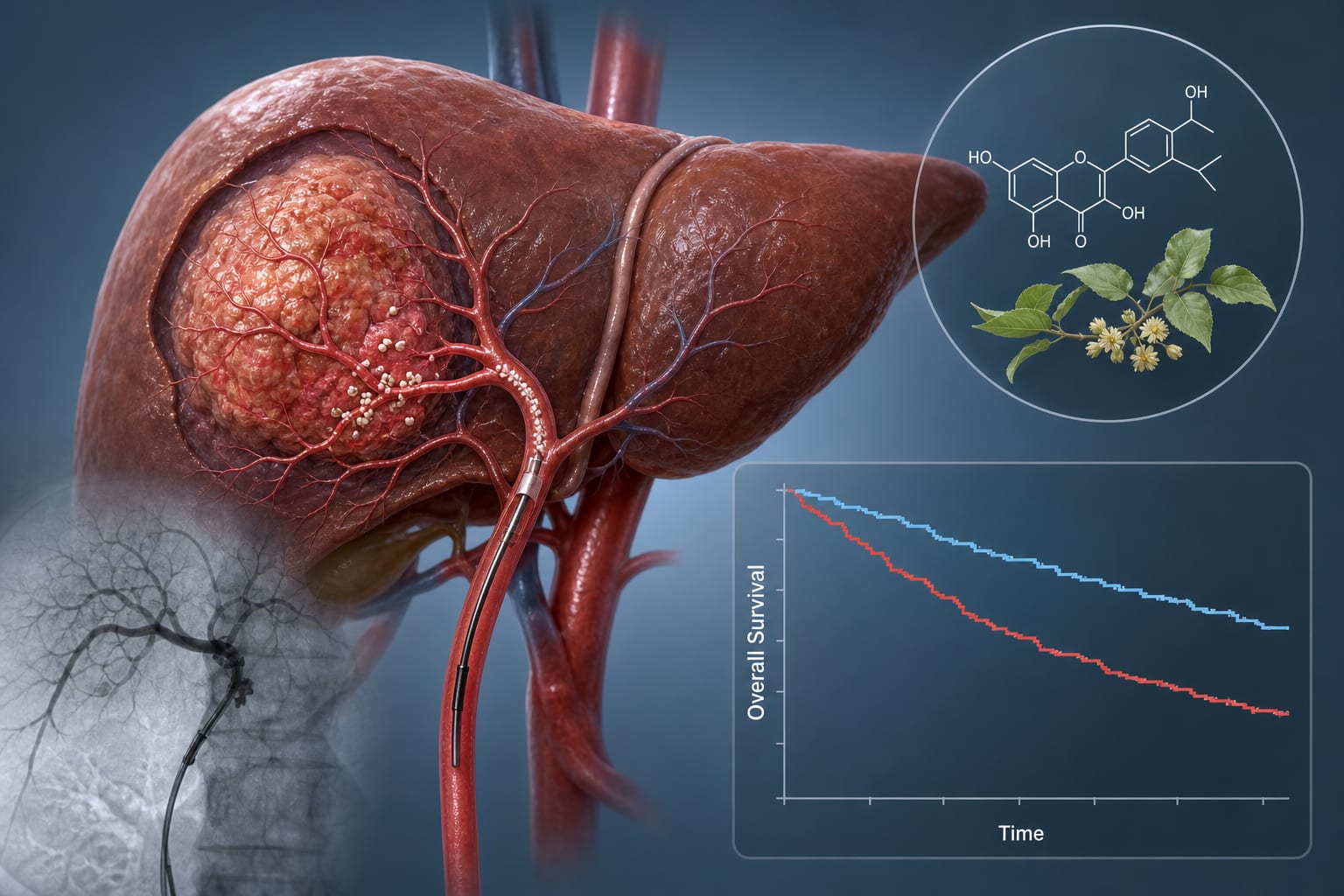
IS of liver metastases is more predictive of overall survival (OS) than IS of primary tumors.
Patients with high IS in liver metastases demonstrate better survival outcomes compared to those with low IS.
Current prognostic models may benefit from incorporating IS to better stratify patients with colorectal liver metastases (CRLM).
There is a need for further validation of IS in diverse clinical settings to establish its utility in routine practice.
Clinical Implications
Integrating the Immunoscore into clinical practice could enhance the prognostic assessment of patients with colorectal liver metastases, allowing for more tailored treatment strategies. Clinicians should consider the IS of metastatic tumors when evaluating patient prognosis and planning therapeutic interventions.
Conclusion
The findings underscore the importance of profiling metastatic tumors, particularly through the Immunoscore, to improve prognostic accuracy in colorectal cancer patients with liver metastases. Further research is warranted to solidify these findings in clinical practice.