Clinical Report: Meningeal Immune Response and Interstitial Treatment in GBM
Overview
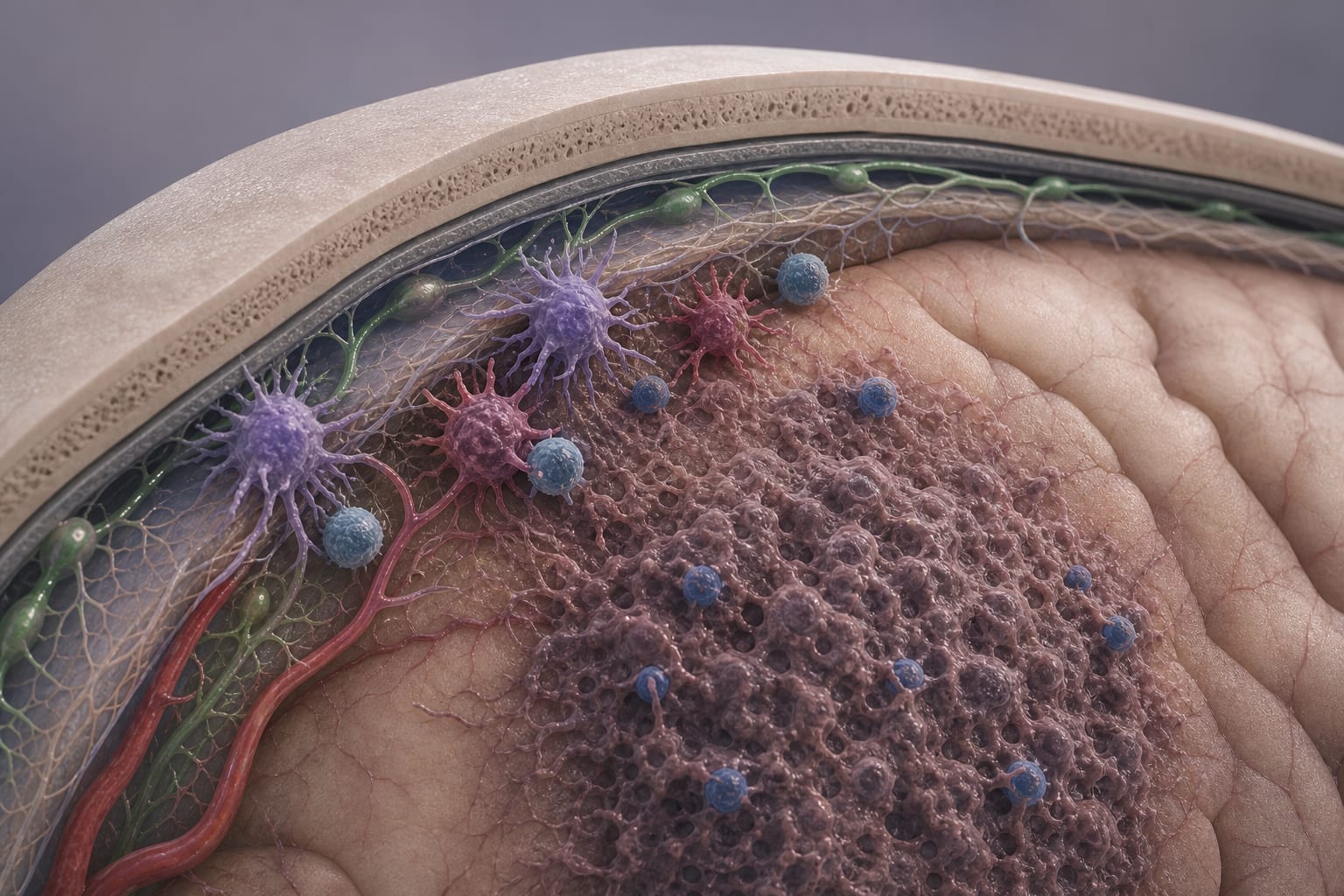
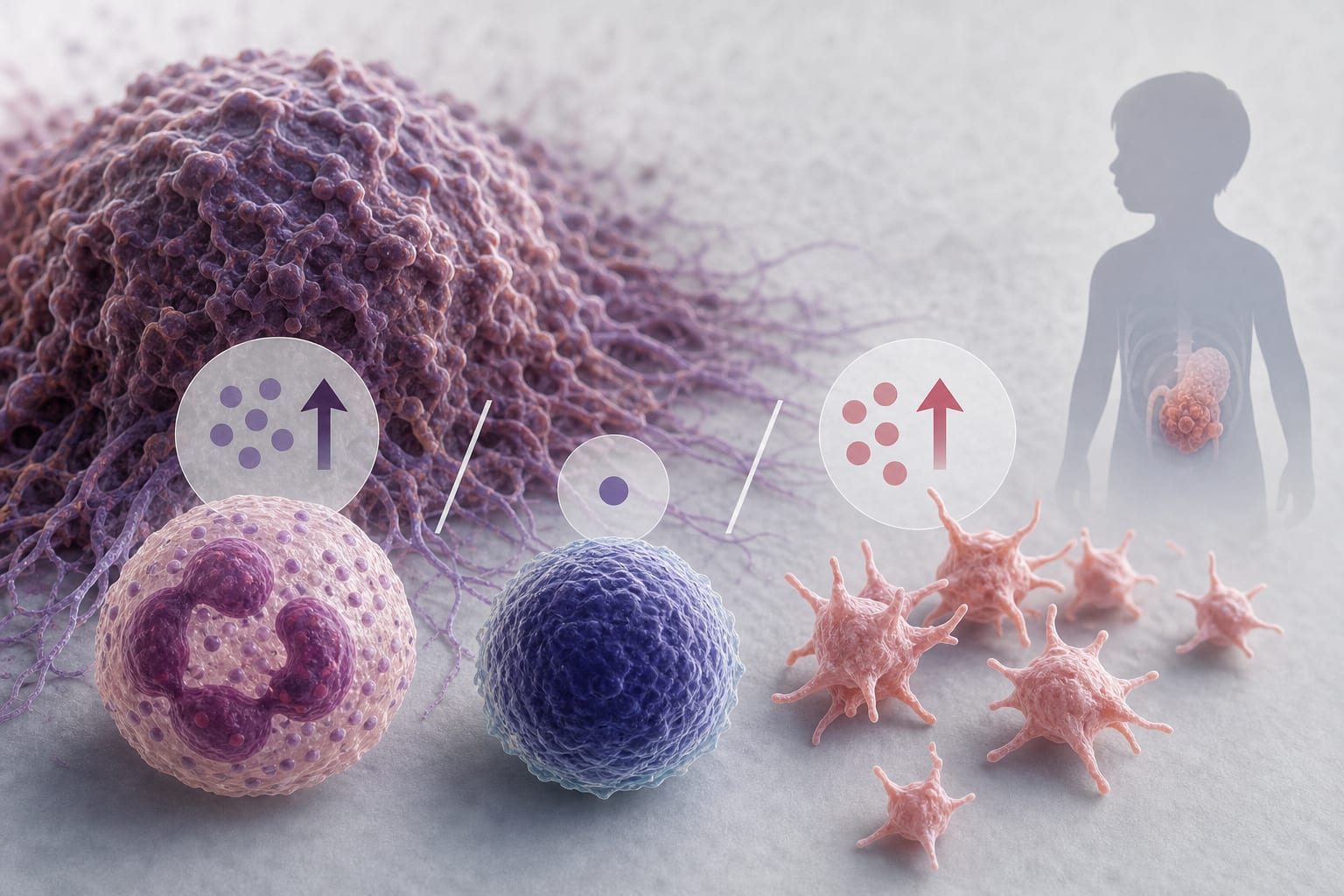
This report discusses the innovative approach of 'interstitial' immunotherapy for glioblastoma (GBM), focusing on the role of the meningeal immune system. It highlights the potential of targeting the tumor border and the implications of resident border-associated macrophages in enhancing immune responses.
Background
Glioblastoma is a highly aggressive brain tumor with a poor prognosis, and traditional therapies have shown limited efficacy. The unique immunosuppressive environment of GBM and the challenges posed by the blood-brain barrier necessitate novel therapeutic strategies. Recent discoveries regarding the meningeal immune system offer new avenues for improving immunotherapy outcomes in GBM.
Data Highlights
No numerical data available in the source material.
Key Findings
GBM is characterized by rapid growth and a median survival of approximately 14-15 months.
Traditional immunotherapy approaches have largely failed to improve survival in GBM patients.
The discovery of the dural lymphatic system and resident border-associated macrophages (rBAMs) provides new insights for GBM treatment.
'Interstitial' immunotherapy focuses on the tumor border, leveraging the meningeal immune system.
rBAMs play a crucial role in modulating CNS immune responses and may enhance anti-tumor immunity.
Clinical Implications
Clinicians should consider the potential of interstitial immunotherapy strategies that engage the meningeal immune system for treating GBM. Understanding the role of rBAMs may inform the development of more effective immunotherapeutic approaches.
Conclusion
The exploration of meningeal immunity and interstitial treatment strategies represents a promising frontier in the fight against glioblastoma, potentially improving patient outcomes through enhanced immune engagement.