Commentary: Baseline systemic immune-inflammation index and a novel FLIPI-SII model predict POD24 and long-term survival in grade 1–3a follicular lymphoma - Report - MDSpire
Conexiant’s news site is now MDSpire News. Learn more
Advertisement
Analysis: The Baseline Systemic Immune-Inflammation Index and the Innovative FLIPI-SII Model as Predictors of POD24 and Long-Term Outcomes in Grade 1–3a Follicular Lymphoma
Clinical Report: Baseline Systemic Immune-Inflammation Index in Follicular Lymphoma
Overview
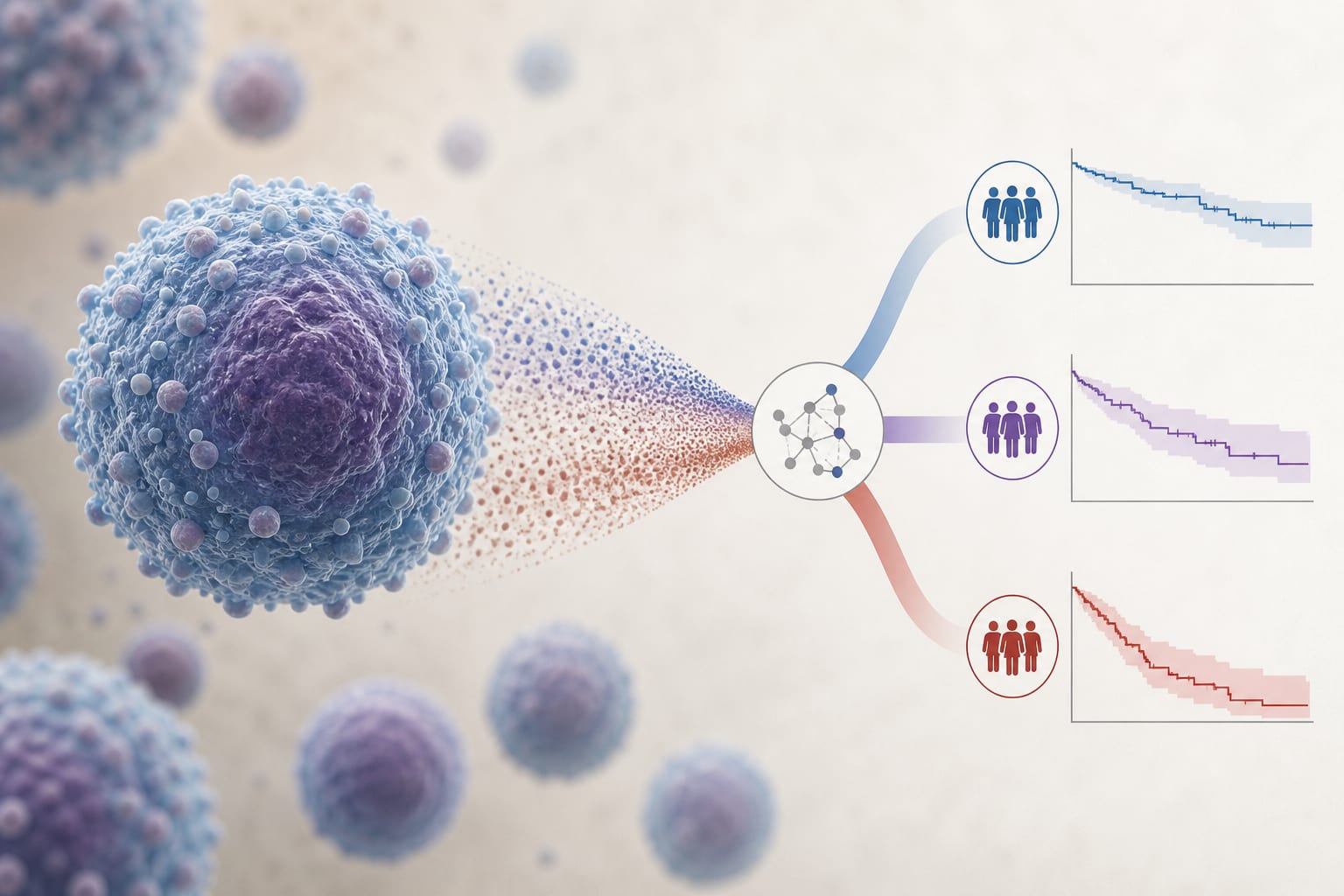
The FLIPI-SII model, incorporating the baseline systemic immune-inflammation index (SII), serves as a prognostic tool for predicting progression of disease within 24 months (POD24) and long-term outcomes in patients with grade 1–3a follicular lymphoma. This model has undergone internal and external validation.
Background
Follicular lymphoma (FL) is a common indolent non-Hodgkin lymphoma, yet it presents clinically heterogeneous behavior, with some patients experiencing early progression. The identification of reliable prognostic markers is crucial for stratifying risk. The FLIPI-SII model aims to address this need by integrating systemic immune-inflammatory status into existing prognostic frameworks.
Data Highlights
No specific numerical data provided in the source material.
Key Findings
The FLIPI-SII model combines baseline SII with the established FLIPI for enhanced prognostic stratification.
Elevated baseline SII is independently associated with poorer overall survival (OS) and progression-free survival (PFS).
FLIPI-SII has undergone both internal and multicenter external validation, supporting its generalizability.
Prognostic information from FLIPI-SII should not be conflated with treatment selection, as its role is primarily stratification.
POD24 is a significant clinical endpoint, indicating a high-risk subgroup with unfavorable outcomes.
Clinical Implications
The FLIPI-SII model should be regarded as a prognostic stratification tool rather than a treatment-selection model.
Conclusion
The FLIPI-SII model emphasizes the importance of systemic immune-inflammatory status in predicting patient outcomes.
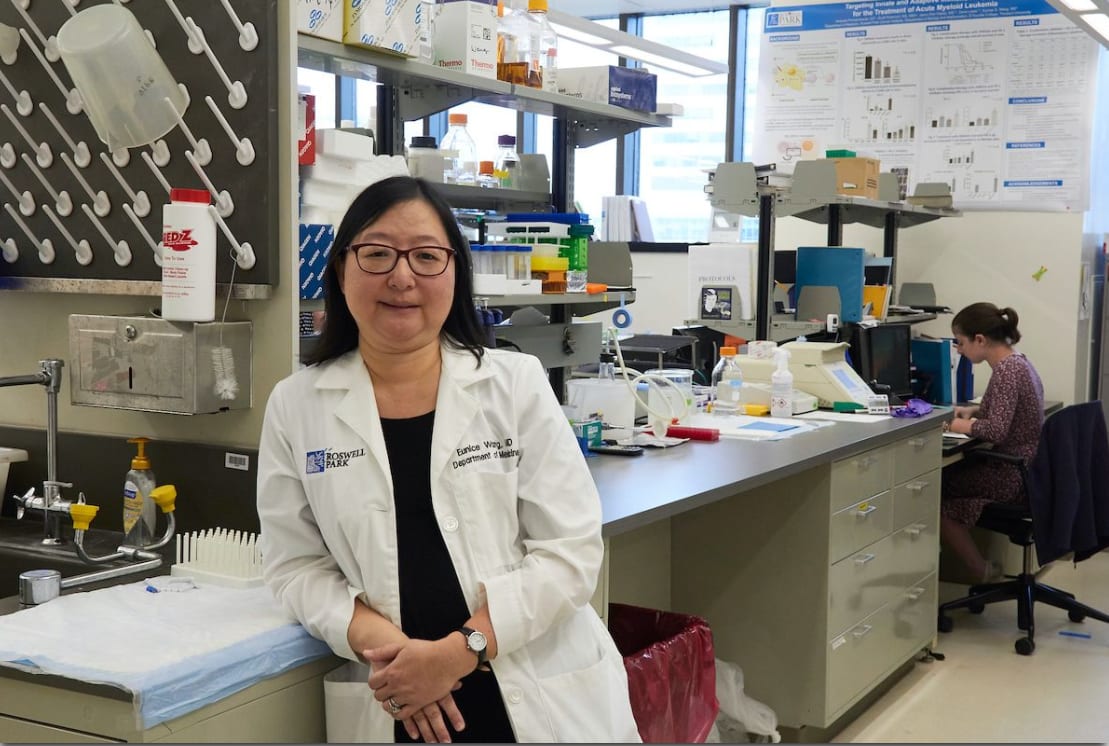
New research co-led by a Roswell Park Comprehensive Cancer Center leukemia expert highlights a promising investigational treatment approach using the targeted therapy ziftomenib for patients with a difficult-to-treat form of acute myeloid leukemia (AML).