Prognostic value of an integrated immune-inflammatory phenotype in surgically treated cervical cancer: survival modeling and immunohistochemical validation - Report - MDSpire
Advertisement
Prognostic value of an integrated immune-inflammatory phenotype in surgically treated cervical cancer: survival modeling and immunohistochemical validation
Clinical Report: Evaluating the Prognostic Significance of a Combined Immune-Inflammatory Profile in Cervical Cancer Patients Post-Surgery
Overview
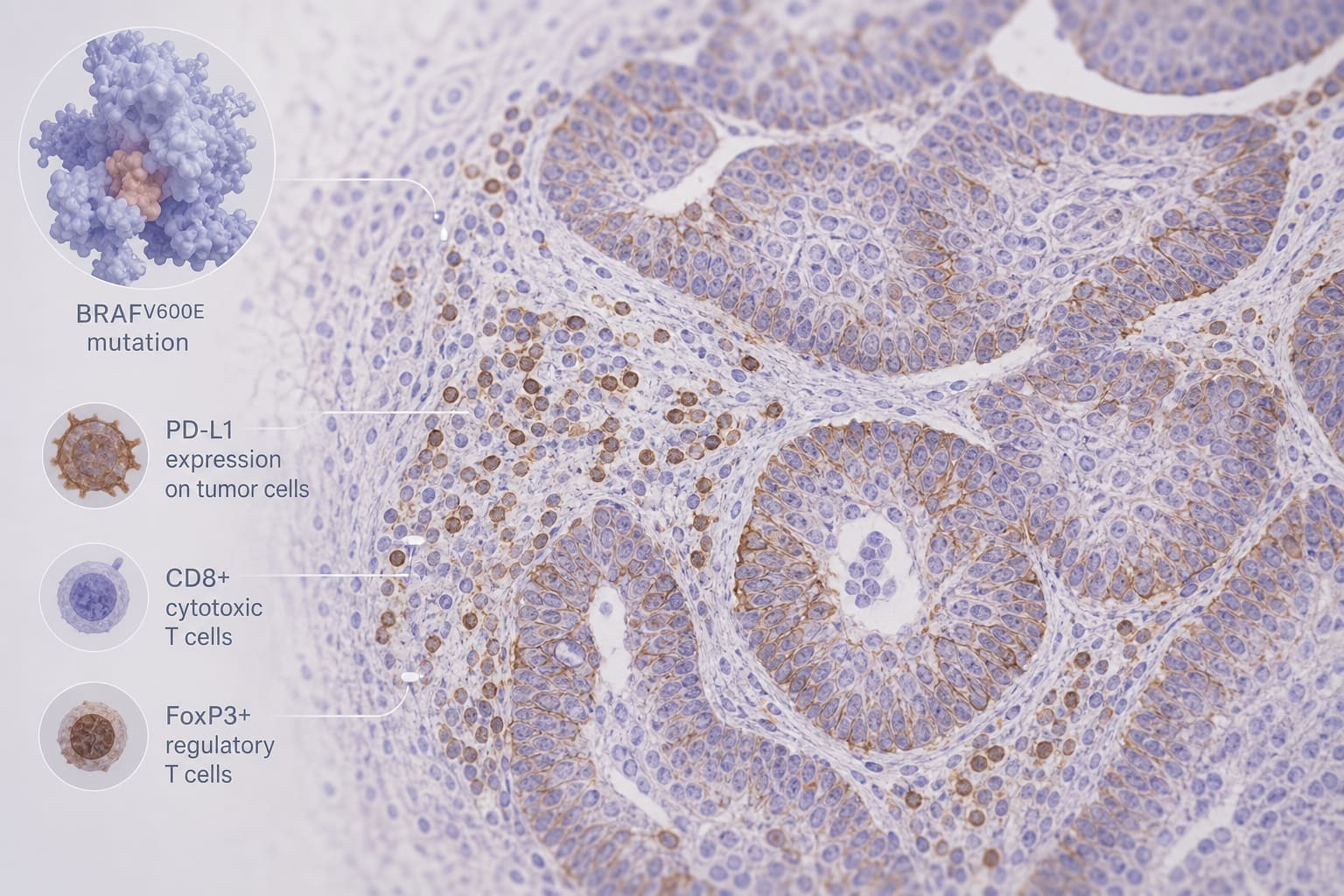
This study investigates the prognostic significance of an integrated immune-inflammatory phenotype in cervical cancer patients post-surgery. The findings suggest that combining stromal tumor-infiltrating lymphocytes (TILs) and the systemic immune-inflammation index (SII) can enhance recurrence-free survival (RFS) stratification.
Background
Cervical cancer remains a significant global health issue, with high incidence and mortality rates. Postoperative recurrence risk is heterogeneous, and traditional clinicopathological factors may not adequately reflect the immune microenvironment's role. Understanding the immune context may improve risk assessment and treatment strategies for cervical cancer patients.
The integrated immune-inflammatory phenotype may serve as a practical tool for stratifying recurrence risk in cervical cancer patients post-surgery. Clinicians should consider incorporating immune context into prognostic assessments to enhance treatment decision-making.
Conclusion
The study underscores the importance of integrating immune-inflammatory profiles in evaluating postoperative outcomes in cervical cancer. This approach may lead to improved risk stratification and tailored treatment strategies.