Clinical Report: Empowering Future Healthcare Providers in Rural Settings
Overview
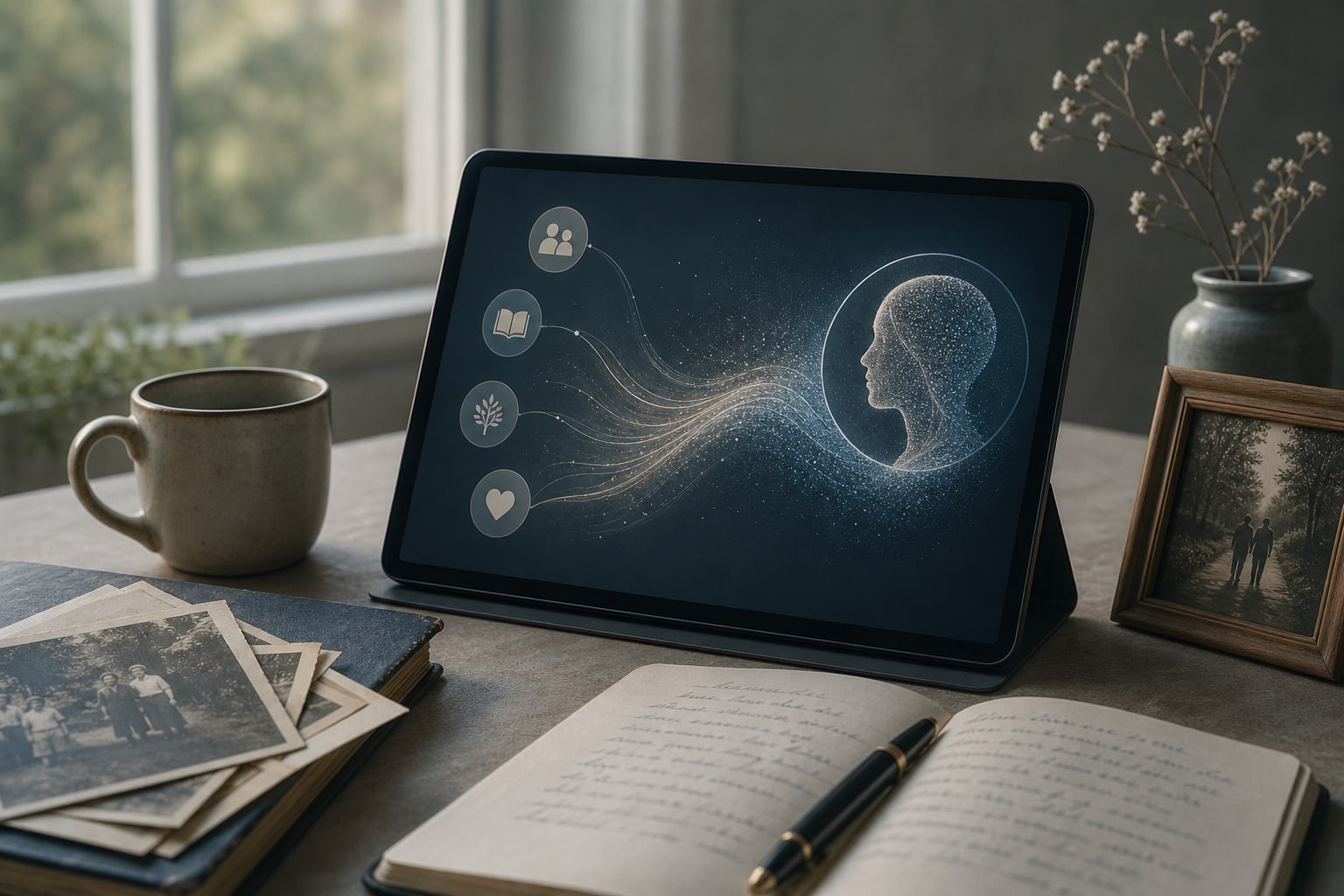
This qualitative study explores the experiences of rural healthcare professionals serving as 'human books' in a Living Library model. Findings indicate that storytelling not only benefits medical learners but also provides personal rewards for the storytellers, enhancing their professional identity and sense of purpose.
Background
Rural medical education faces unique challenges, particularly in connecting learners with the realities of rural practice. The Living Library model leverages personal narratives from rural practitioners to enrich medical education, fostering empathy and understanding of social contexts. Understanding the impact of storytelling on the storytellers themselves is crucial for developing effective educational strategies.
Data Highlights
No numerical data was presented in the study.
Key Findings
Participants felt a strong responsibility to share their experiences to inspire future rural practitioners.
Story preparation was emotionally challenging and required psychological readiness.
Storytelling provided personal benefits, including connection and a renewed sense of purpose.
Being a 'human book' affirmed participants' professional identity as rural practitioners.
The Living Library model offers dual benefits for both learners and storytellers.
Clinical Implications
Healthcare educators should consider integrating narrative-based approaches like the Living Library into curricula to enhance empathy and understanding among medical learners. Additionally, supporting rural practitioners in sharing their stories can validate their experiences and improve their professional satisfaction.
Conclusion
The Living Library model represents an innovative approach to rural medical education, benefiting both learners and storytellers. By fostering connections through shared narratives, it enhances the understanding of rural healthcare challenges and promotes resilience among practitioners.