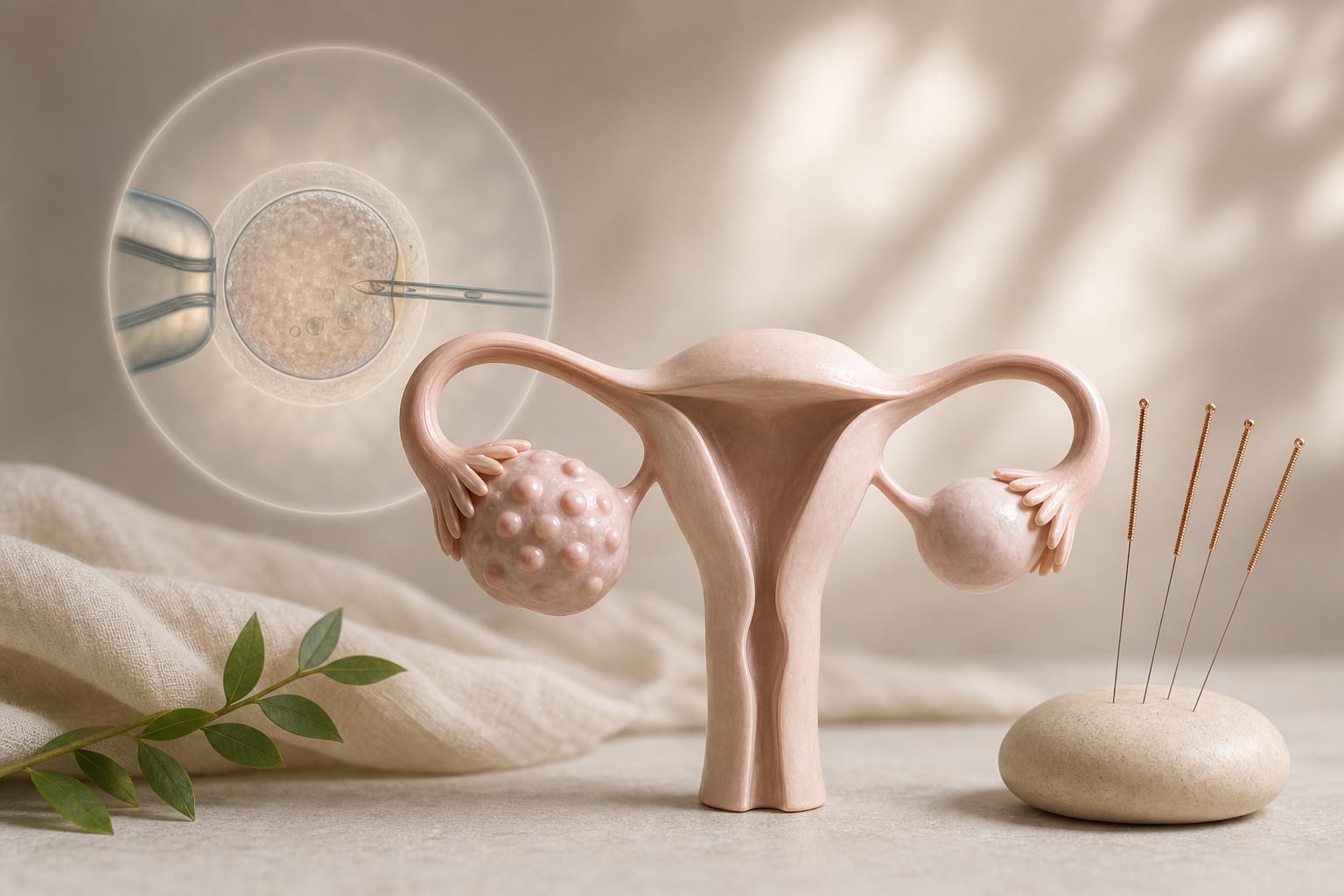
Proteomic Changes in Follicular Fluid Linked to Oocyte Quality in PCOS
Overview
This study identifies distinct proteomic alterations in the follicular fluid of PCOS patients, including upregulation of VNN1 and downregulation of PLTP and HYOU1, which correlate with reduced oocyte fertilization rates and compromised embryo quality. Dysregulated cholesterol metabolism and endoplasmic reticulum stress in the follicular microenvironment are implicated in impaired oocyte developmental competence in PCOS.
Background
Polycystic ovary syndrome (PCOS) is a prevalent endocrine disorder characterized by reproductive and metabolic abnormalities, often leading to infertility primarily due to chronic anovulation. While PCOS patients undergoing IVF typically yield more oocytes, their fertilization rates are lower, suggesting compromised oocyte quality. Follicular fluid (FF) provides a critical microenvironment for oocyte maturation, and proteomic analysis of FF can reveal biomarkers and mechanisms underlying oocyte competence. Previous studies have identified alterations in lipid metabolism, immune function, and extracellular matrix regulation in PCOS FF, but the specific proteomic changes linked to oocyte developmental potential remain unclear.
Data Highlights
Parameter
PCOS Group
Control Group
Significance
Normal Fertilization Rate
Significantly Lower
Higher
Adjusted for age, BMI, infertility duration
Differentially Expressed Proteins (DEPs)
11 Upregulated, 17 Downregulated
Baseline
Proteomic analysis
Key Protein Changes
VNN1 ↑, PLTP ↓, HYOU1 ↓
Baseline
Validated by ELISA
Biological Pathways Enriched
Cholesterol Metabolism, Endoplasmic Stress
Baseline
Associated with embryo quality
Key Findings
PCOS patients exhibit significantly lower normal fertilization rates compared to controls after adjusting for confounders.
Proteomic profiling identified 28 differentially expressed proteins in PCOS follicular fluid, including upregulated VNN1 and downregulated PLTP and HYOU1.
Dysregulated cholesterol metabolism pathways are significantly enriched in follicular fluid associated with poor embryo quality in PCOS.
Activated endoplasmic reticulum stress markers in follicular fluid correlate with decreased oocyte developmental competence.
Alterations in lipid homeostasis within the follicular microenvironment may mechanistically link to impaired oocyte quality in PCOS.
Clinical Implications
Assessment of follicular fluid proteomic profiles, particularly proteins involved in cholesterol metabolism and endoplasmic stress, may provide novel biomarkers for evaluating oocyte quality in PCOS patients undergoing assisted reproduction. Targeting dysregulated lipid pathways and cellular stress responses could represent therapeutic strategies to improve oocyte competence and reproductive outcomes in this population.
Conclusion
This study delineates a distinct proteomic signature in PCOS follicular fluid that is associated with compromised oocyte quality and fertilization potential, highlighting the role of cholesterol metabolism and endoplasmic stress in the pathophysiology of PCOS-related infertility.
References
Author/Source/Year -- Proteomic Changes in Follicular Fluid Linked to Oocyte Developmental Capability in Polycystic Ovary Syndrome