The Blood-Brain Barrier: Protector and Challenge in CNS Therapy
Overview
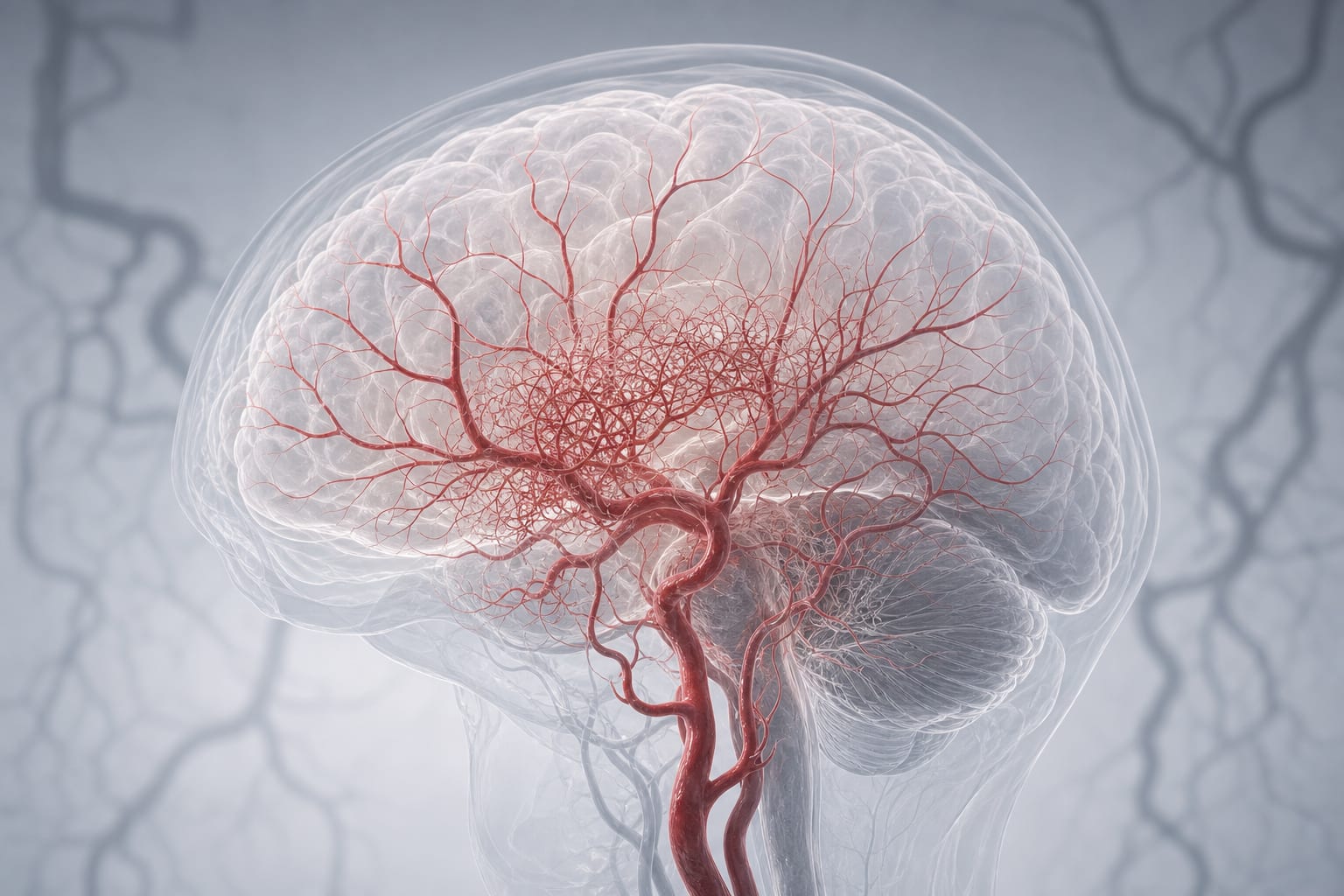
The blood-brain barrier (BBB) is a critical vascular structure that protects the brain from toxins and pathogens but simultaneously restricts therapeutic drug delivery. Recent advances in molecular and cellular understanding of the BBB reveal its heterogeneity and changes during ageing, neurodegeneration, and brain injury, highlighting opportunities for improved drug delivery and BBB restoration.
Background
The BBB is formed by specialized endothelial cells connected by tight junctions, embedded within a neurovascular unit including astrocytes, pericytes, and neurons. It tightly regulates molecular exchange between blood and brain to maintain homeostasis and protect neural tissue. Despite its protective role, the BBB limits entry of over 98% of small molecule and all large molecule therapeutics, posing a major obstacle in treating neurological diseases. Understanding BBB structure, function, and dysfunction is essential for developing effective CNS therapies.
Data Highlights
The human brain receives 20% of cardiac output despite being only 2% of body weight. It contains approximately 86 billion neurons, each served by a capillary no more than 25 µm away. Blockage of a large cerebral artery results in loss of 1.9 million neurons and 13.8 billion synapses. Approved anti-amyloid-β antibodies for Alzheimer's disease have less than 0.1% brain penetration, requiring high-dose repetitive infusions for therapeutic effect.
Key Findings
The BBB is a specialized membrane formed by endothelial cells with tight junctions, supported by perivascular cells, forming a neurovascular unit essential for brain homeostasis.
BBB heterogeneity exists along the arteriovenous axis and across brain regions, influencing transport mechanisms and disease susceptibility.
Normal ageing, neurodegeneration, and acute brain injuries induce molecular and functional BBB changes, often leading to prolonged permeability and impaired transport.
More than 98% of small molecule drugs and 100% of large molecule therapeutics cannot cross the BBB, severely limiting CNS drug delivery.
Recent molecular technologies such as single-cell and spatial transcriptomics have advanced understanding of BBB composition and dysfunction, enabling novel drug delivery strategies.
BBB breakdown is a biomarker for adverse outcomes in neurological diseases and injuries, highlighting the importance of BBB restoration as a therapeutic target.
Clinical Implications
Clinicians should recognize the BBB as both a protective barrier and a significant obstacle to CNS drug delivery, necessitating innovative therapeutic approaches. Understanding BBB heterogeneity and dysfunction in ageing and disease can guide personalized treatment strategies and the development of BBB-targeted drug delivery systems. Monitoring BBB integrity may also serve as a prognostic biomarker in neurological conditions.
Conclusion
The BBB plays a dual role as a vital protector of the brain and a formidable barrier to therapeutic intervention. Advances in molecular understanding and drug delivery technologies hold promise to overcome these challenges and improve outcomes in neurological diseases.
References
Author/Source/Year -- The Blood-Brain Barrier: Beneficial Protector or Therapeutic Obstacle?