Quality of Life in Cardiac Arrest Recovery - Report - MDSpire
Advertisement
Quality of Life in Cardiac Arrest Recovery
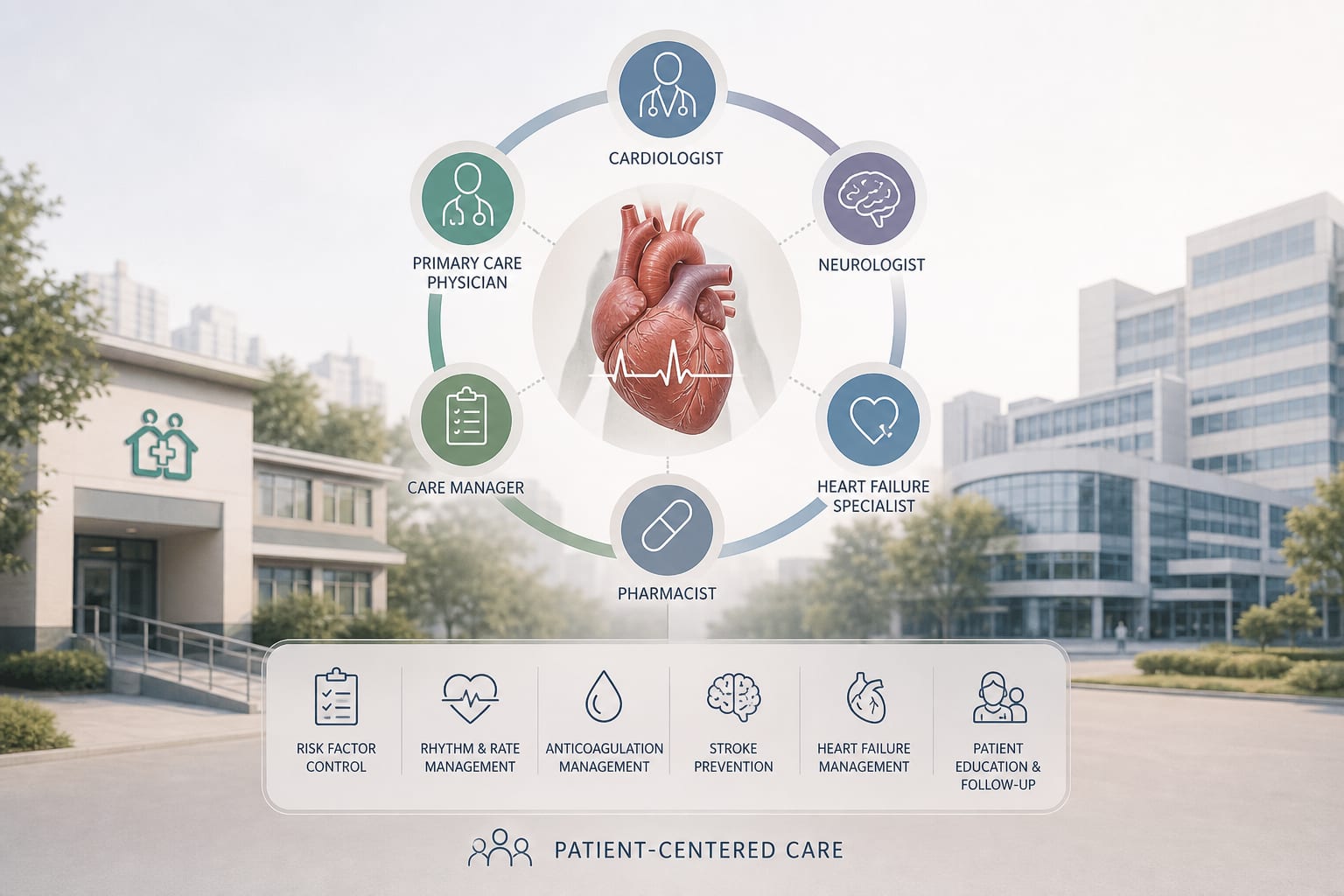
Post–cardiac arrest care is increasingly structured around survivorship, with standardized patient-reported assessments supporting multidisciplinary follow-up.
A recent observational study links health-related quality of life (HRQOL) post-cardiac arrest to long-term survival outcomes. Poor HRQOL scores at 3 to 6 months post-event were associated with increased mortality risk, particularly in survivors of in-hospital cardiac arrest.
Background
Understanding the long-term outcomes of cardiac arrest survivors is crucial for improving patient care and rehabilitation strategies. Health-related quality of life (HRQOL) serves as an important indicator of recovery and can inform follow-up care. This study highlights the need for systematic HRQOL assessments in post-cardiac arrest management.
Data Highlights
Population
HRQOL Score
Mortality Risk
IHCA Survivors
11-25
2x higher risk
OHCA Survivors
Continuous variable analysis indicated increasing risk with poorer HRQOL.
Increasing risk with poorer HRQOL
Key Findings
Among IHCA survivors, those with HRQOL scores of 11-25 had over twice the mortality risk compared to those with scores of 5.
Intermediate HRQOL scores (6-10) did not show significant mortality differences.
For OHCA survivors, categorical HRQOL scores were not significantly associated with mortality, but continuous measures indicated increased risk with poorer health.
Depressive symptoms negatively impacted long-term survival in IHCA survivors, while anxiety symptoms did not.
Nearly 50% of eligible IHCA survivors and over 60% of OHCA survivors had missing HRQOL data, raising concerns about selection bias and generalizability.
The study utilized the EuroQoL 5-dimension 5-level tool for HRQOL assessment, indicating its relevance in post-cardiac arrest care.
Clinical Implications
Healthcare providers should prioritize systematic HRQOL assessments in cardiac arrest survivors to identify those at higher risk for mortality. This information can guide follow-up care and support interventions aimed at improving quality of life during recovery.
Conclusion
The association between HRQOL and long-term survival underscores the importance of integrating quality of life measures into post-cardiac arrest care protocols. Enhanced focus on HRQOL can lead to better patient outcomes and tailored rehabilitation strategies, while addressing concerns about selection bias due to missing data.