Basic Pulsatile Pump Model for Microsurgical Training with Flow Simulation
Overview
A pulsatile pump model (PPM) was developed using adjustable infusion pumps and standard monitoring equipment to simulate arterial pulsatile flow for microsurgical training. The system allows precise control of systemic pressure and pulsation frequency, closely mimicking physiological conditions.
Background
Microsurgical training benefits from realistic simulation of pulsatile blood flow to improve surgical skills and vessel handling. Traditional training models often lack dynamic flow, limiting their effectiveness. The described PPM uses commonly available infusion pumps and pressure monitoring to create a controlled pulsatile flow environment. This model can accommodate synthetic or biological vessels, enhancing training realism.
Data Highlights
Infusion Pump Flow Rate (mL/h)
Approximate Pulsation Frequency (bpm)
600
60
900
90
1200
120
Key Findings
The PPM setup requires two adjustable infusion pumps, a pressure transducer, a monitor, three fluid bags, infusion sets, and pressure cuffs.
Systemic pressure can be adjusted between 100 mmHg and 200 mmHg using a hand pump on one fluid bag, correlating well with mean arterial pressure measurements.
Pulsation frequency is controlled by the flow rate of infusion pump 1, with a linear relationship between flow rate and pulse frequency (e.g., 600 mL/h ≈ 60 bpm).
The pulse pressure amplitude is approximately ±10 mmHg around the mean arterial pressure.
The model supports connection to synthetic or biological vessels via ligation or Foley catheter insertion for realistic training conditions.
Clinical Implications
This PPM provides a cost-effective and reproducible method to simulate physiological pulsatile flow during microsurgical training, enhancing the realism of vessel handling practice. Its adaptability to various vessel types and precise control over pressure and pulse rate can improve trainee preparedness for clinical microsurgery. The model's use of standard clinical equipment facilitates easy implementation in training centers.
Conclusion
The developed pulsatile pump model effectively simulates arterial pulsatile flow with adjustable pressure and frequency, offering a valuable tool for enhanced microsurgical training. Its simplicity and adaptability make it suitable for widespread adoption in surgical education.
References
Developing a Basic Pulsatile Pump Model for Enhanced Microsurgical Training with Pulsatile Flow Simulation
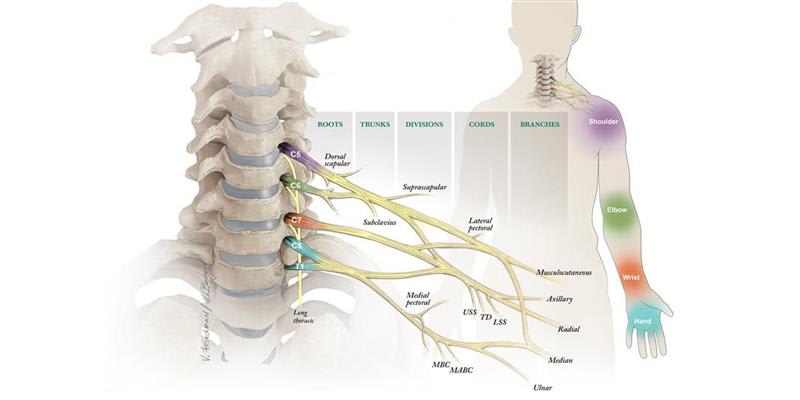
David Brogan, MD, MSc, and Christopher Dy, MD, MPH, who are pioneering new approaches to treating brachial plexus injuries, including those caused by high-velocity trauma such as motor vehicle accidents.