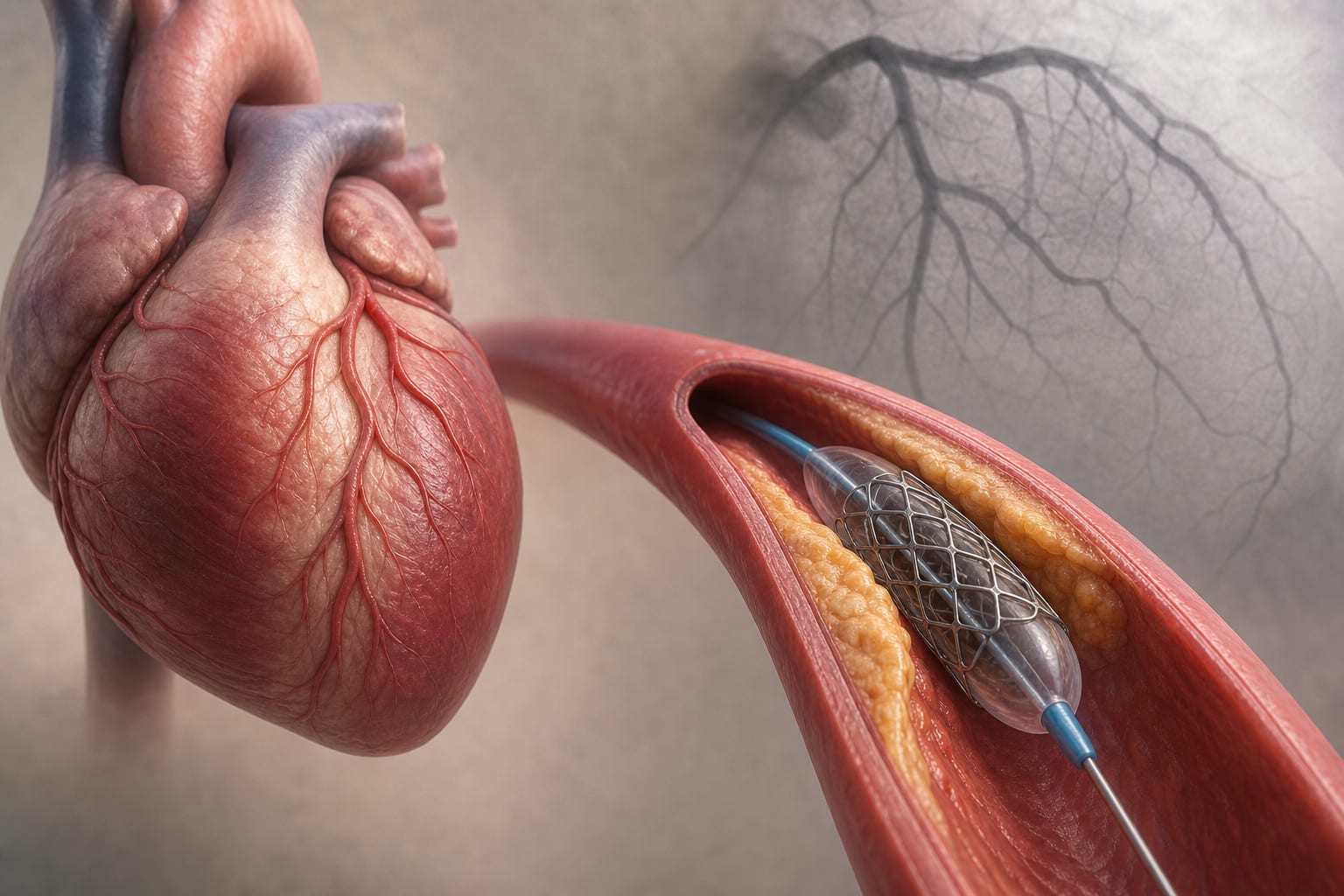
Clinical Report: A Historical Perspective on Reperfusion Therapy and Advancements in Cardioprotection Beyond Reperfusion
Overview
Reperfusion therapy has significantly reduced in-hospital mortality from acute myocardial infarction (AMI) from approximately 20% to 5% or less. The evolution of reperfusion strategies and pharmacological approaches has improved outcomes for AMI patients.
Background
Acute myocardial infarction remains a leading cause of morbidity and mortality globally. The introduction of reperfusion therapy has transformed the management of ST segment elevation myocardial infarction (STEMI). Understanding the historical context of these advancements provides insight into current practices.
Data Highlights
No numerical data is provided in the source material.
Key Findings
Reperfusion therapy has reduced in-hospital mortality for AMI from about 20% to 5% or less.
Early studies demonstrated that thrombolysis with intravenous streptokinase improved clinical outcomes when initiated early after symptom onset.
Significant experimental studies in the 1970s established the efficacy of reperfusion in reducing infarct size.
The GISSI trial in 1986 provided evidence for the benefits of intravenous streptokinase in reducing mortality in AMI patients.
Intracoronary thrombolysis and mechanical recanalization were pivotal in the evolution of reperfusion strategies.
Clinical Implications
Timely reperfusion remains essential for improving outcomes in AMI patients. Clinicians must prioritize rapid diagnosis and intervention to minimize myocardial injury and enhance recovery.
Conclusion
The historical advancements in reperfusion therapy underscore the importance of continued research and innovation in cardioprotection strategies to further improve patient outcomes in acute myocardial infarction.