Clinical Report: Impact of Probiotic Supplementation on Cognitive Function
Overview
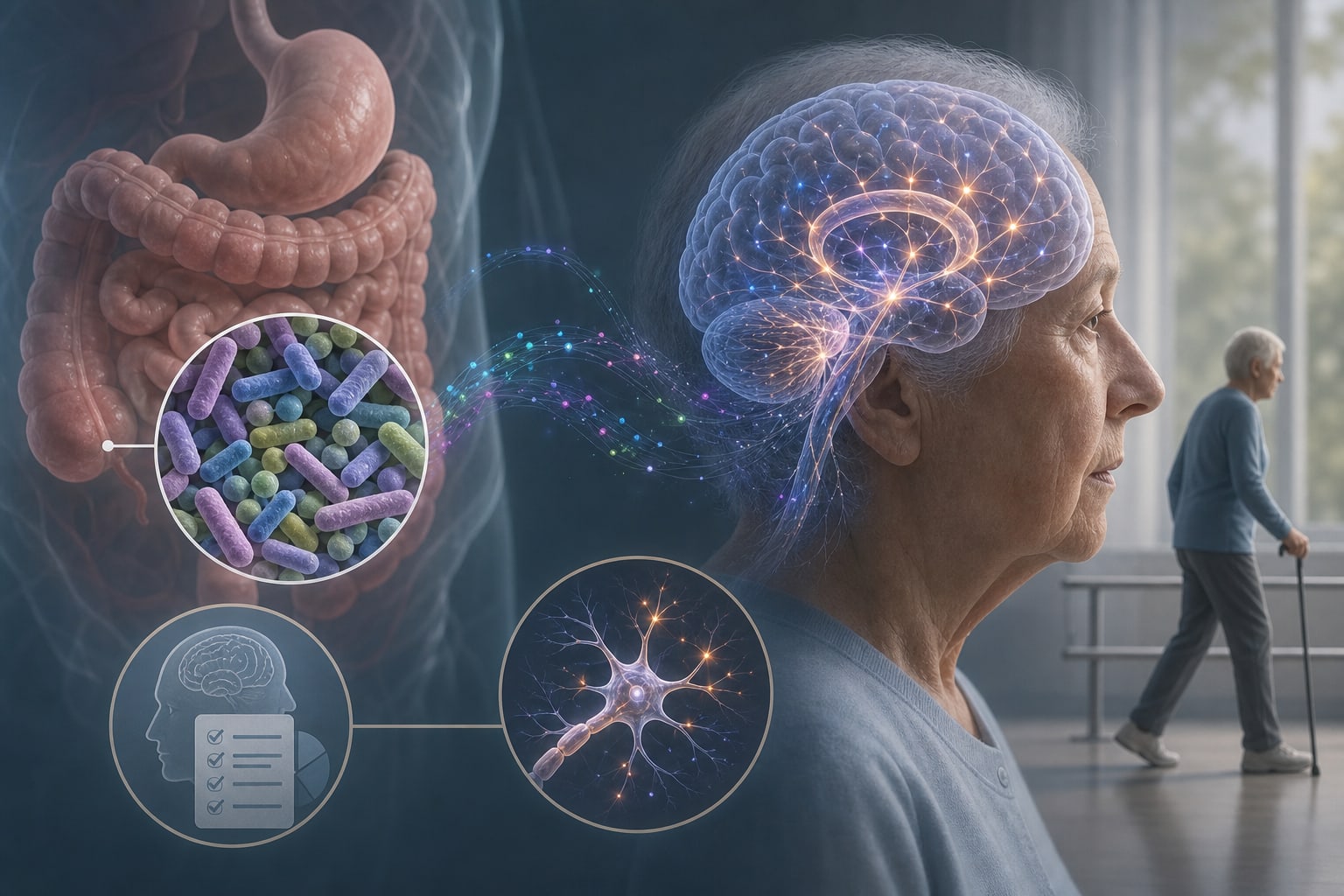
This study evaluates the effects of probiotic supplementation on cognitive and motor functions in elderly ischemic stroke survivors. Results indicate significant improvements in cognitive function, nutritional parameters, and motor recovery in those receiving probiotics compared to standard treatment.
Background
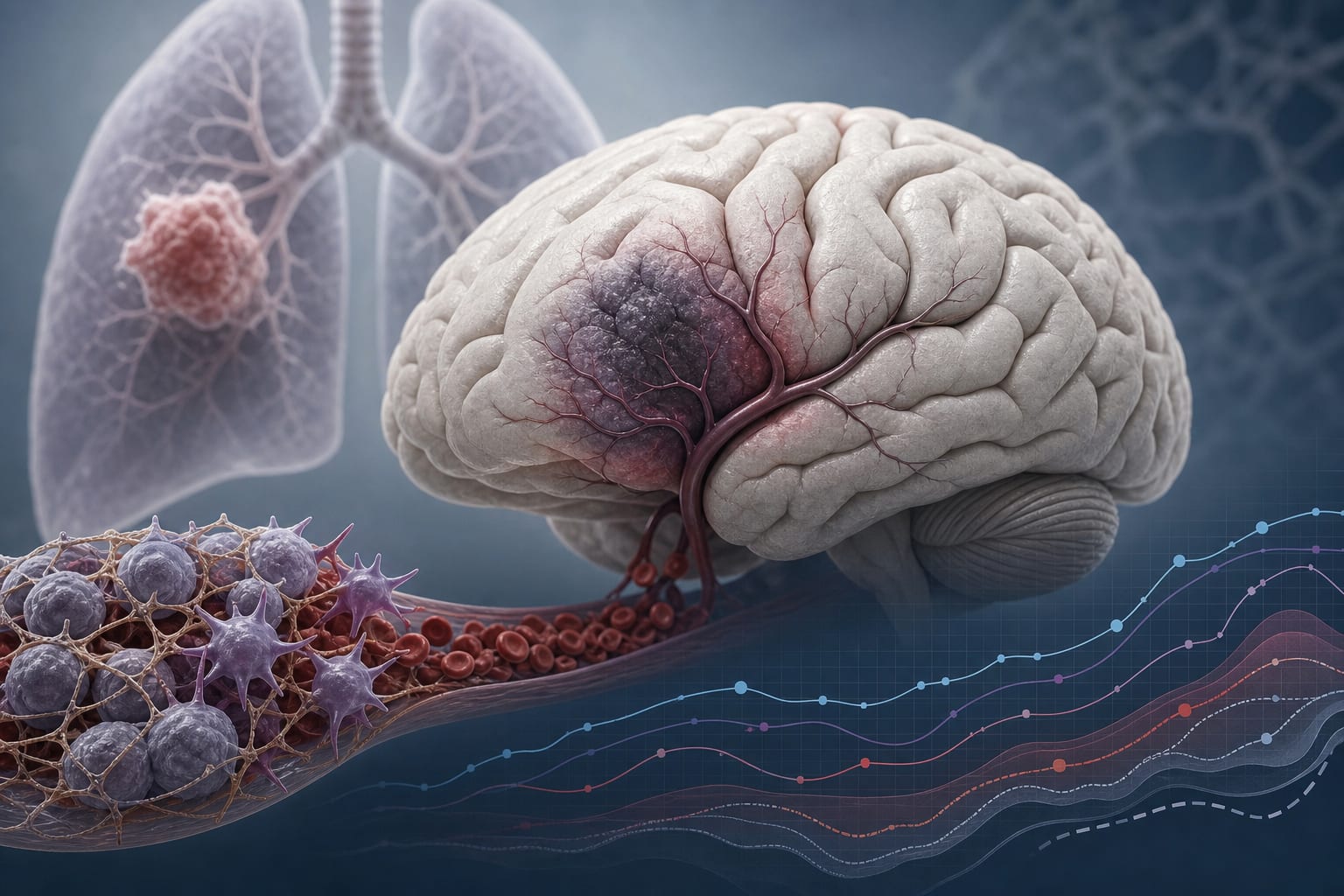
Ischemic stroke is a leading cause of disability, particularly affecting the elderly who often face cognitive decline and reduced neuroplasticity. Nutritional deficits and cognitive impairments are prevalent in this population, necessitating exploration of adjunct therapies like probiotics to enhance recovery outcomes.
Data Highlights
Outcome Measure
Supplement Group
Conventional Group
P-value
BDNF Levels
Increased
Not reported
≤ 0.011
MMSE Scores
Higher
Not reported
< 0.003
CDR Scores
Reduced
Not reported
< 0.003
mRS Scores
Decreased
Not reported
< 0.004
MBI Scores
Increased
Not reported
< 0.004
Gastrointestinal Adverse Events
Reduced
Not reported
< 0.001
Key Findings
Probiotic supplementation significantly improved cognitive function in elderly ischemic stroke survivors.
Neurotrophic factors such as BDNF increased in the Supplement Group.
Motor function recovery was enhanced, with better STREAM scores in the Supplement Group.
Gastrointestinal adverse events were significantly lower in the Supplement Group.
Correlation analysis indicated positive associations between probiotics and improved recovery outcomes.
Clinical Implications
Incorporating probiotics into nutritional therapy may enhance recovery in elderly ischemic stroke survivors by improving cognitive and motor functions. The reduction in gastrointestinal adverse events also suggests a well-tolerated adjunct therapy.
Conclusion
Probiotic supplementation appears to be a beneficial adjunct to standard nutritional therapy for improving recovery outcomes in elderly patients post-ischemic stroke.