Gut microbiota and metabolomic characteristics associated with metabolic syndrome in post-cholecystectomy patients: a retrospective cross-sectional study - Report - MDSpire
Advertisement
Gut microbiota and metabolomic characteristics associated with metabolic syndrome in post-cholecystectomy patients: a retrospective cross-sectional study
Association of Gut Microbiota and Metabolomic Profiles with Metabolic Syndrome
Overview
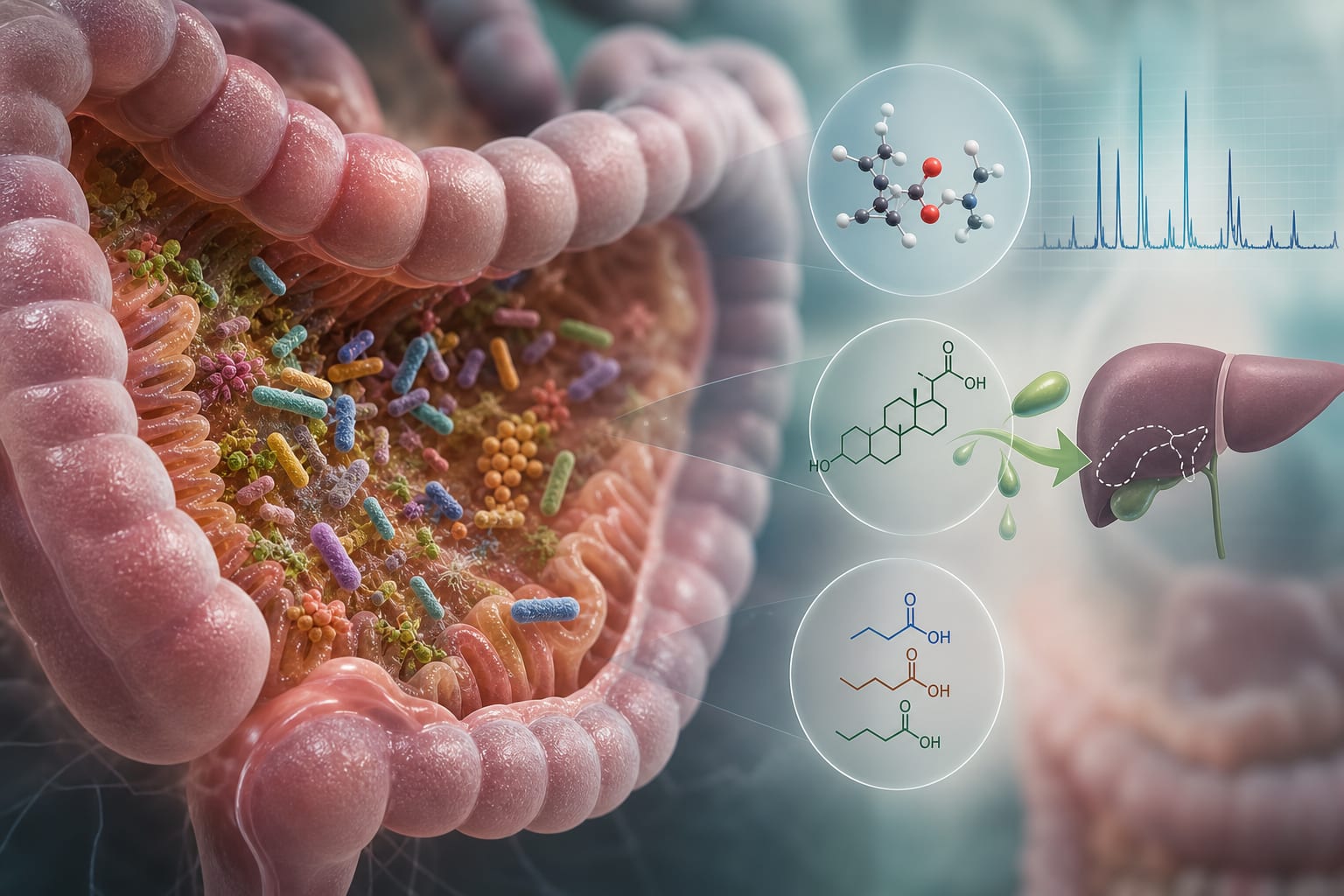
This study investigates the differences in gut microbiota and metabolomic profiles between post-cholecystectomy patients with and without metabolic syndrome. Findings indicate that metabolic syndrome is associated with distinct microbial and metabolomic alterations linked to inflammatory and metabolic indicators.
Background
Cholecystectomy is a common surgical procedure that can lead to long-term complications, particularly in patients with metabolic syndrome. Understanding the interplay between gut microbiota, bile acid metabolism, and metabolic syndrome is crucial for managing postoperative outcomes and associated metabolic risks.
Data Highlights
Parameter
MS Group
Non-MS Group
Chao1 Richness
Lower
Higher
Firmicutes/Bacteroidetes Ratio
Lower
Higher
Prevotella Abundance
Increased
Decreased
Bacteroides Abundance
Reduced
Higher
Short-Chain Fatty Acids
Diminished
Normal
Key Findings
Patients with metabolic syndrome exhibited reduced microbial richness as indicated by lower Chao1 richness.
The Firmicutes/Bacteroidetes ratio was lower in the metabolic syndrome group.
Increased abundance of Prevotella and reduced abundance of Bacteroides, Faecalibacterium, and Roseburia were observed in the metabolic syndrome group.
Metabolomic analysis showed elevated secondary bile acids and diminished short-chain fatty acids, particularly butyrate, in the metabolic syndrome group.
Correlation analysis linked microbiota changes to inflammatory markers and adverse metabolic indices.
Clinical Implications
The distinct gut microbial and metabolomic profiles in post-cholecystectomy patients with metabolic syndrome highlight the need for further investigation into these associations.
Conclusion
This study reveals significant differences in gut microbiota and metabolomic profiles between post-cholecystectomy patients with and without metabolic syndrome.