Clinical Report: Genetic Immune Dysregulation with Hepatic Manifestations
Overview
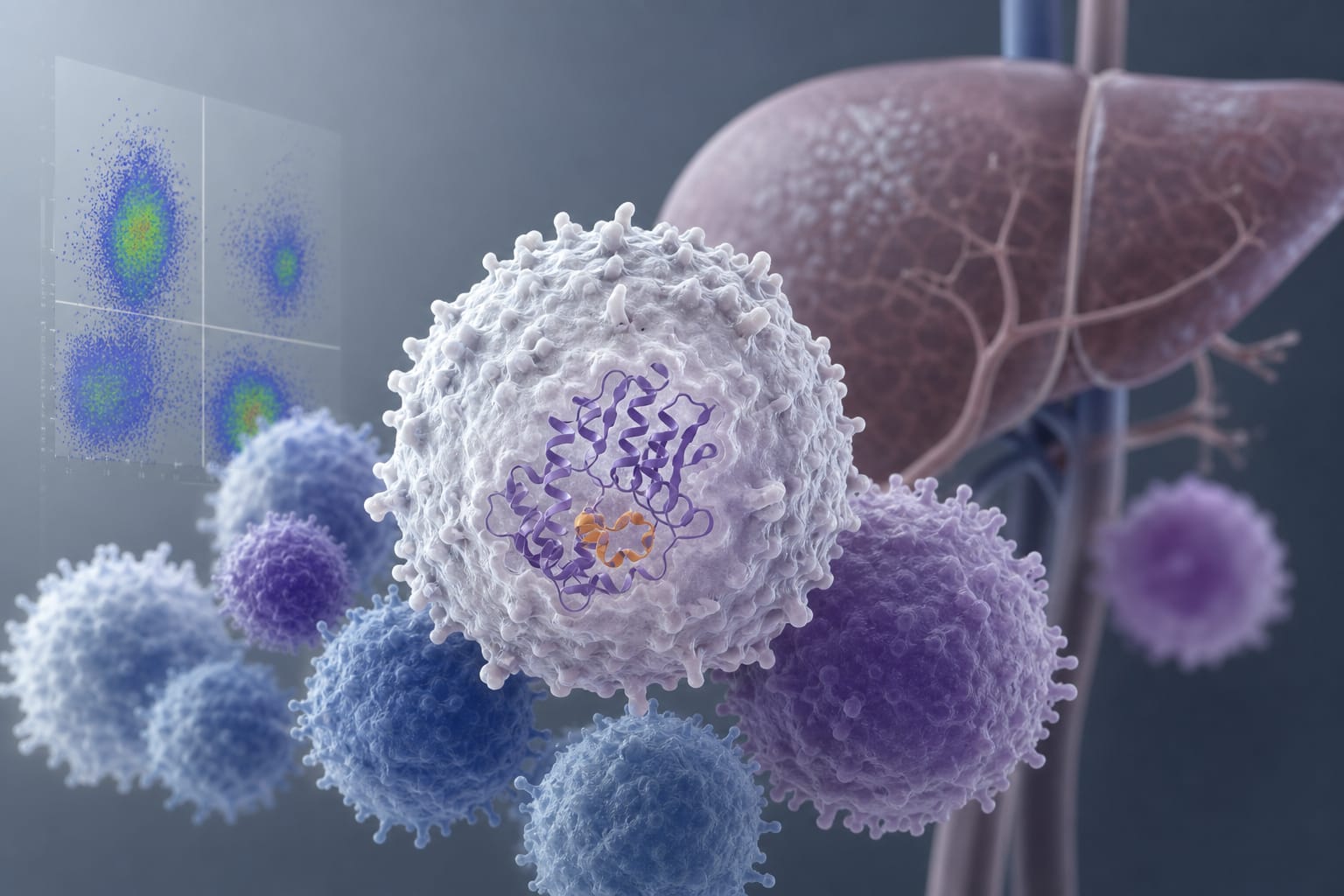
This report details the first Italian pediatric case of GIMAP5 deficiency, highlighting the challenges in managing immune dysregulation and hepatic manifestations. The proband achieved clinical remission through sirolimus, emphasizing the potential of targeted therapies in this complex condition.
Background
GIMAP5 deficiency is a severe syndrome characterized by immune dysregulation and significant hepatic involvement, often leading to life-threatening complications. Understanding the genotype-phenotype relationships is crucial for effective management, particularly in pediatric patients. The therapeutic landscape is complicated by the need to balance precision medicine with the risks associated with definitive interventions like hematopoietic stem cell transplantation.
Data Highlights
Patient
Genetic Variants
Clinical Features
Treatment
Proband
p.Leu204Pro, p.Arg214Ter
Autoimmune cytopenias, severe viral infections, liver anomalies
Sirolimus
Twin
p.Leu204Pro
Asymptomatic, localized vascular anomaly
N/A
Key Findings
Biallelic GIMAP5 mutations lead to severe immune dysregulation and hepatic manifestations.
The proband exhibited autoimmune cytopenias and liver anomalies, while the carrier twin showed no immune defects.
Sirolimus effectively managed the proband's cytopenias, indicating a potential targeted therapy approach.
Hepatic involvement in GIMAP5 deficiency includes unique vascular remodeling, challenging traditional views of immune-mediated liver disease.
Hematopoietic stem cell transplantation may not address the endothelial dysfunction associated with GIMAP5 deficiency.
Clinical Implications
Clinicians should consider the dual role of GIMAP5 in immune and endothelial homeostasis when managing patients. The use of targeted therapies like sirolimus may provide a viable alternative to HSCT, particularly in cases with significant hepatic involvement.
Conclusion
The findings underscore the importance of personalized treatment strategies in GIMAP5 deficiency, balancing the benefits of targeted therapies against the risks of more invasive procedures like HSCT.
by Mattia Moratti, Michele La Manna, Lucia Colucci, Cristina Cifaldi, Silvia Di Cesare, Gioacchino Andrea Rotulo, Beatrice Rivalta, Donato Amodio, Andrea Pietrobattista, Andrés Caballero-Oteyza, Elisabetta Lembo, Chiara Passarelli, Emma Concetta Manno, Michele Proietti, Gigliola Di Matteo, Giuseppe Palumbo, Caterina Cancrini