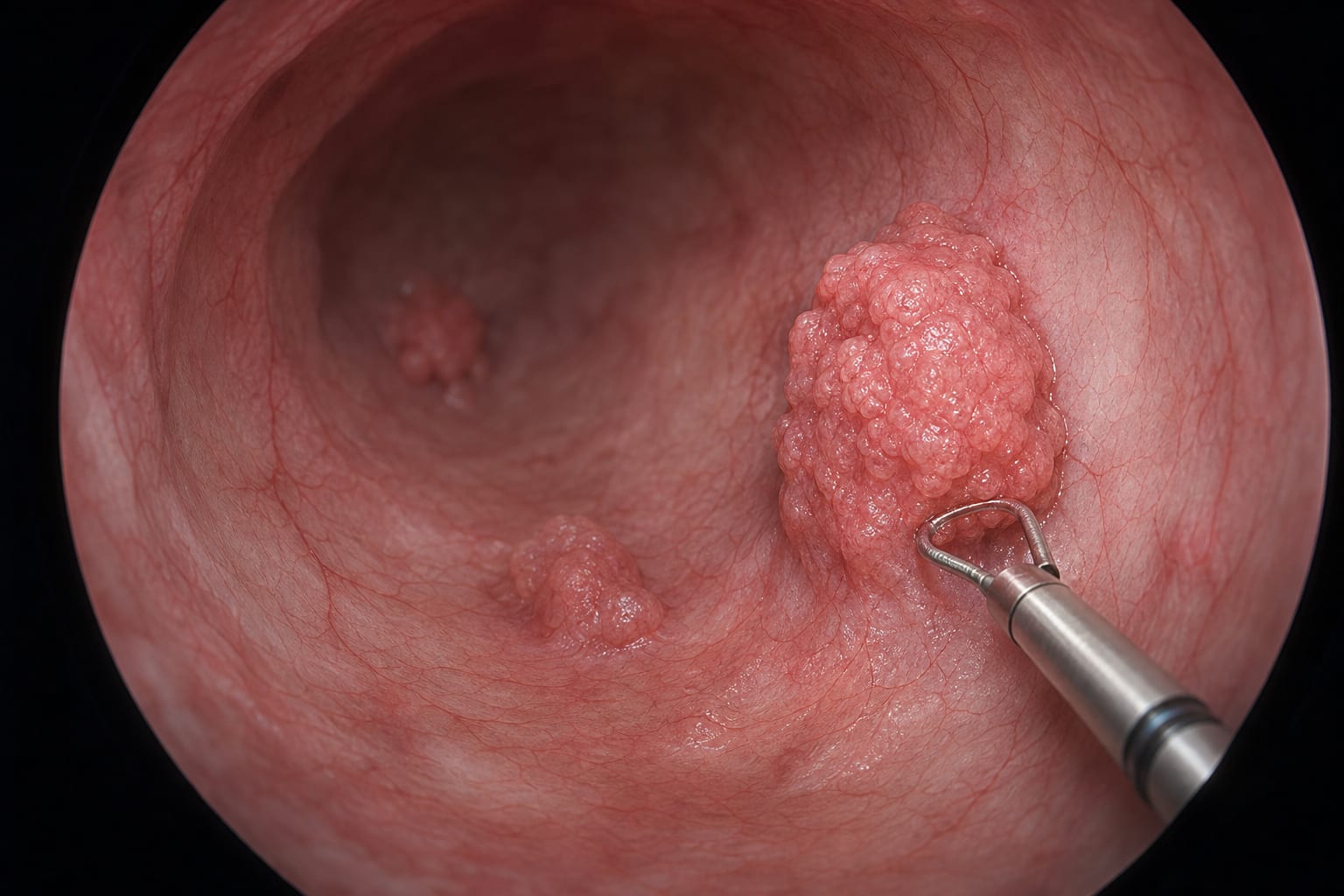
Clinical Report: Assessing the Necessity of Transurethral Resection in Cases of Suspected Primary Bladder Cancer
Overview
This study evaluates the malignancy detection rate in patients undergoing elective transurethral resection of bladder tumor (TURBT) for suspected bladder cancer (BC). Findings suggest that a significant proportion of patients may not require TURBT, highlighting the need for improved preoperative diagnostic criteria.
Background
Bladder cancer, particularly non-muscle-invasive bladder cancer (NMIBC), presents with diverse clinical symptoms and cystoscopic appearances, complicating diagnosis. The standard approach for diagnosis and treatment, TURBT, may lead to unnecessary procedures in patients with benign findings. Given the strain on healthcare resources and the psychological impact on patients, it is crucial to identify factors that could help avoid unnecessary TURBT.
Data Highlights
Parameter
Value
Patients Analyzed
217
Malignancy Detection Rate
65%
No Malignancy Rate
35%
Interobserver Congruence
80.6%
Significant Predictors of Malignancy
Age, Papillary Findings, Tumor Size
Key Findings
35% of patients undergoing TURBT had no malignancy detected.
Interobserver congruence on preoperative and TURBT findings was 80.6%.
Significant predictors for malignancy included papillary findings (OR = 5.6), age (OR = 1.057), and tumor size (OR = 1.9).
The study emphasizes the need for selective criteria for TURBT to avoid unnecessary procedures.
Healthcare systems face challenges in managing TURBT due to resource constraints and increasing patient loads.
Clinical Implications
Clinicians should consider the potential for benign findings in patients referred for TURBT and evaluate preoperative factors that may indicate a lower likelihood of malignancy. Optimizing diagnostic protocols could reduce unnecessary surgical interventions and improve patient outcomes.
Conclusion
The findings suggest that not all patients with suspected bladder cancer require immediate TURBT, advocating for a more selective approach to diagnosis and treatment. This could alleviate healthcare burdens and enhance patient care.
by Conrad Leitsmann, Alexander Stephan Reese, Richard Zigeuner, Hanna Zurl, Klara Pohl, Johannes Mischinger, Iva Simunovic, Carl Ketterer, Florestan Koll, Sebastian Mannweiler, Marianne Leitsmann, Sascha Ahyai