Clinical Report: Assessing Antioxidant Therapies for Eosinophilic Chronic Sinusitis
Overview
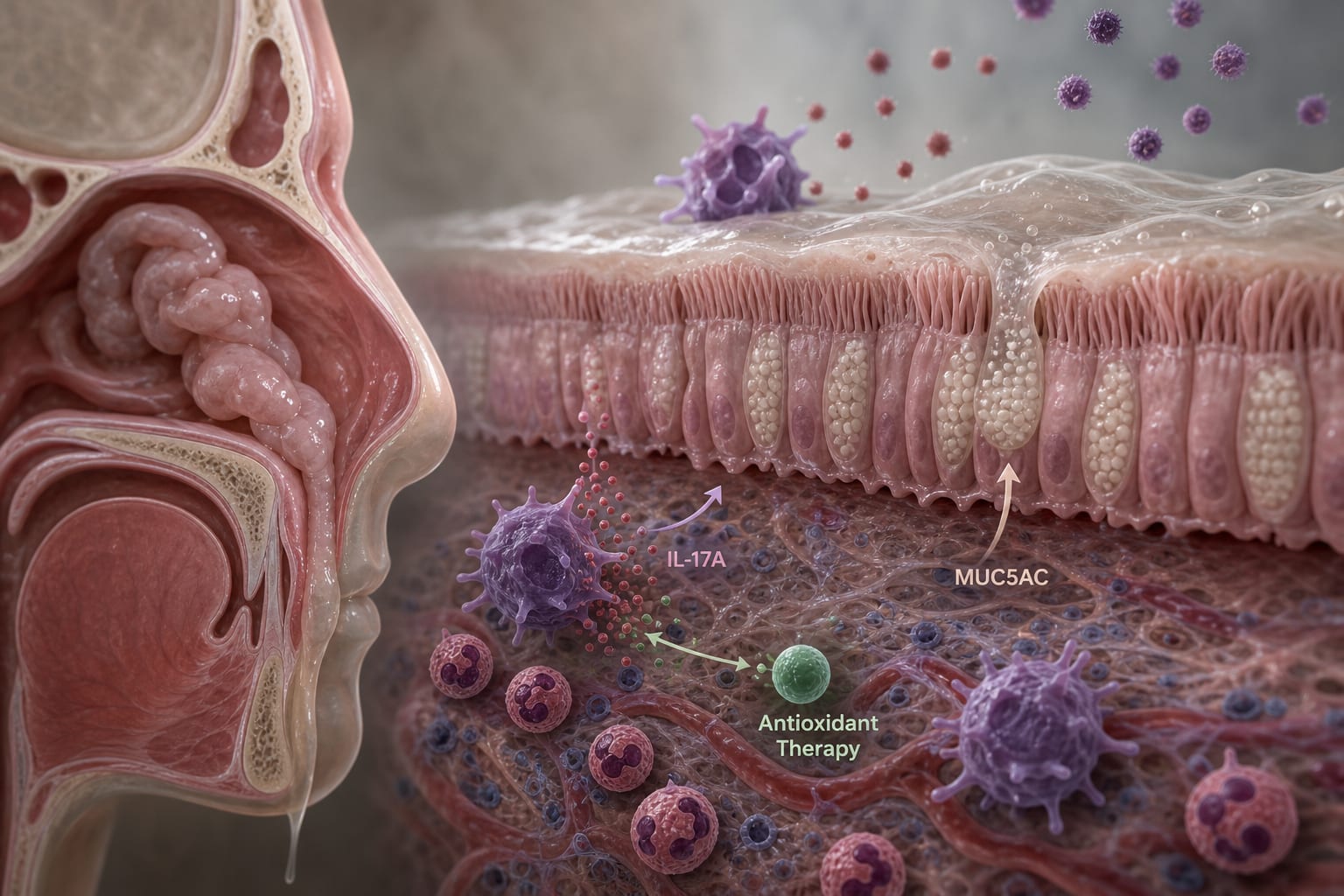
This report evaluates the role of antioxidant therapies in managing eosinophilic chronic rhinosinusitis (ECRS), a condition characterized by eosinophilia and chronic inflammation. The study identifies critical molecular pathways and potential therapeutic targets that could enhance treatment strategies for ECRS.
Background
Eosinophilic chronic rhinosinusitis (ECRS) is a challenging condition that significantly impacts patients' quality of life due to persistent nasal congestion and olfactory dysfunction. It is associated with high eosinophil counts and is often resistant to conventional therapies. Understanding the underlying mechanisms of ECRS is crucial for developing effective treatment options.
Data Highlights
No numerical data or trial data presented in the article.
Key Findings
Defects in Cu,Zn-SOD in ECRS epithelium contribute to increased IL-17A and macrophage infiltration.
Reduced HO-1 expression correlates with epithelial damage in CRS with eosinophil infiltration.
Three comprehensive molecular signaling pathways related to oxidative stress and inflammation in ECRS were developed.
Immunology flowsheets for oxidative stress and inflammation mechanisms were created for clinical and biochemical analysis.
Identified treatment targets may guide future therapeutic strategies for ECRS.
Clinical Implications
The findings suggest that antioxidant therapies could be a viable option for managing ECRS by targeting specific molecular pathways involved in inflammation and oxidative stress. Clinicians should consider these pathways when developing individualized treatment plans for patients with ECRS.
Conclusion
Antioxidant therapies may offer new avenues for treating eosinophilic chronic rhinosinusitis by addressing the underlying pathophysiological mechanisms. Further research is warranted to validate these findings and explore their clinical applications.
A VHA study across 11 vendors finds AI-generated primary care notes score lower than clinician-written notes, with the largest deficits in thoroughness, organization, and usefulness