A patient with triple-negative breast cancer developed acute myocardial infarction after docetaxel chemotherapy: case report and literature review - Report - MDSpire
Advertisement
A patient with triple-negative breast cancer developed acute myocardial infarction after docetaxel chemotherapy: case report and literature review
Acute Myocardial Infarction Following Docetaxel Treatment in a Patient with Triple-Negative Breast Cancer
Overview
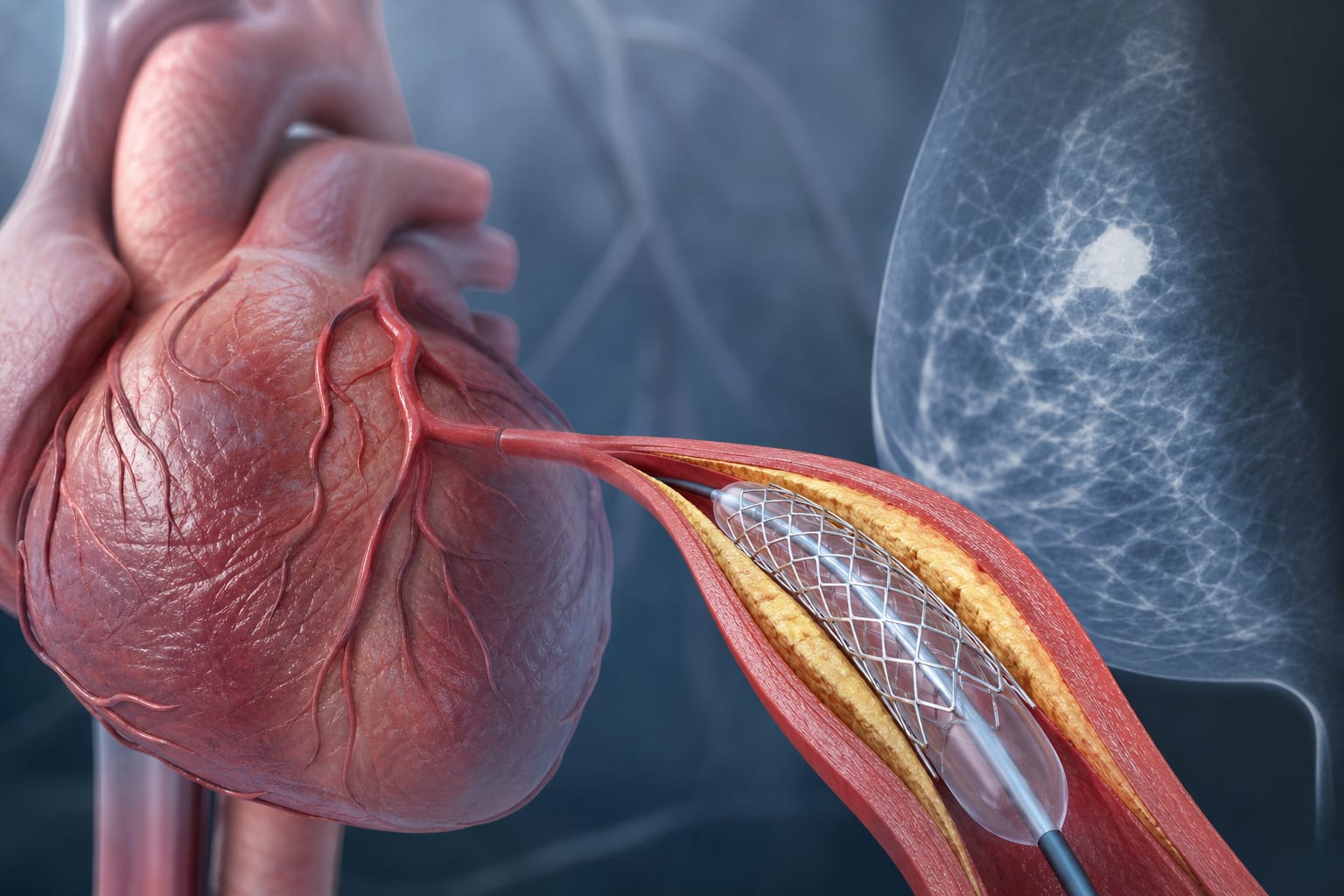
This report presents a rare case of acute ST-segment elevation myocardial infarction (AMI) following docetaxel treatment in a patient with triple-negative breast cancer. The case highlights the potential cardiotoxicity of docetaxel, which led to severe coronary artery occlusions and necessitated timely intervention.
Background
Breast cancer remains the most prevalent cancer among women and is a leading cause of cancer-related mortality. Docetaxel is a widely used chemotherapy agent for breast cancer, but it is associated with various adverse effects, including cardiotoxicity. Understanding the risks of docetaxel-induced myocardial infarction is crucial for optimizing treatment strategies and patient safety.
Data Highlights
No numerical data or trial data presented in the article.
Key Findings
First reported case of AMI induced by docetaxel in a patient with triple-negative breast cancer.
Coronary angiography revealed severe occlusions in multiple coronary arteries.
Timely percutaneous coronary intervention (PCI) was successfully performed, saving the patient's life.
Docetaxel was discontinued due to the severe adverse reaction.
Analysis of 94 cases from the FAERS database indicated that docetaxel can lead to acute myocardial infarction, although it is rare.
Proposed mechanisms for docetaxel-induced AMI include coronary vasospasm and endothelial dysfunction.
Clinical Implications
Healthcare professionals should be vigilant about the potential for cardiotoxicity when administering docetaxel, particularly in patients with no prior cardiovascular risk factors. Timely recognition and intervention are critical in managing acute myocardial infarction in this context.
Conclusion
This case underscores the importance of monitoring for cardiotoxic effects in patients receiving docetaxel therapy. Further research is needed to clarify the mechanisms and risk factors associated with taxane-induced myocardial infarction.