Clinical Report: Comparison of Ketamine and Propofol for Pediatric Sedation
Overview
This study compares the safety and efficacy of ketamine and propofol for sedation during pediatric pulsed dye laser (PDL) treatment. Findings indicate that while propofol is associated with a higher risk of respiratory depression, ketamine presents other adverse effects, highlighting the need for individualized anesthetic selection.
Background
Pulsed dye laser therapy is the gold standard for treating port-wine stains in children, often requiring analgosedation due to pain and the need for immobility. The choice of sedative agent is critical, as it can significantly impact patient safety and procedural outcomes. Understanding the comparative effects of commonly used agents like ketamine and propofol is essential for optimizing sedation strategies in pediatric outpatient procedures.
Data Highlights
Outcome
Propofol
Ketamine
Respiratory Depression
19.5%
2.6%
Hypertension
Lower
Higher
Tachycardia
Lower
Higher
Hypotension
Higher
Lower
Sedation Time
Shorter
Longer
Recovery Time
Shorter
Longer
Key Findings
Incorporate psychomimetic effects and postoperative nausea and vomiting for ketamine.
Clinical Implications
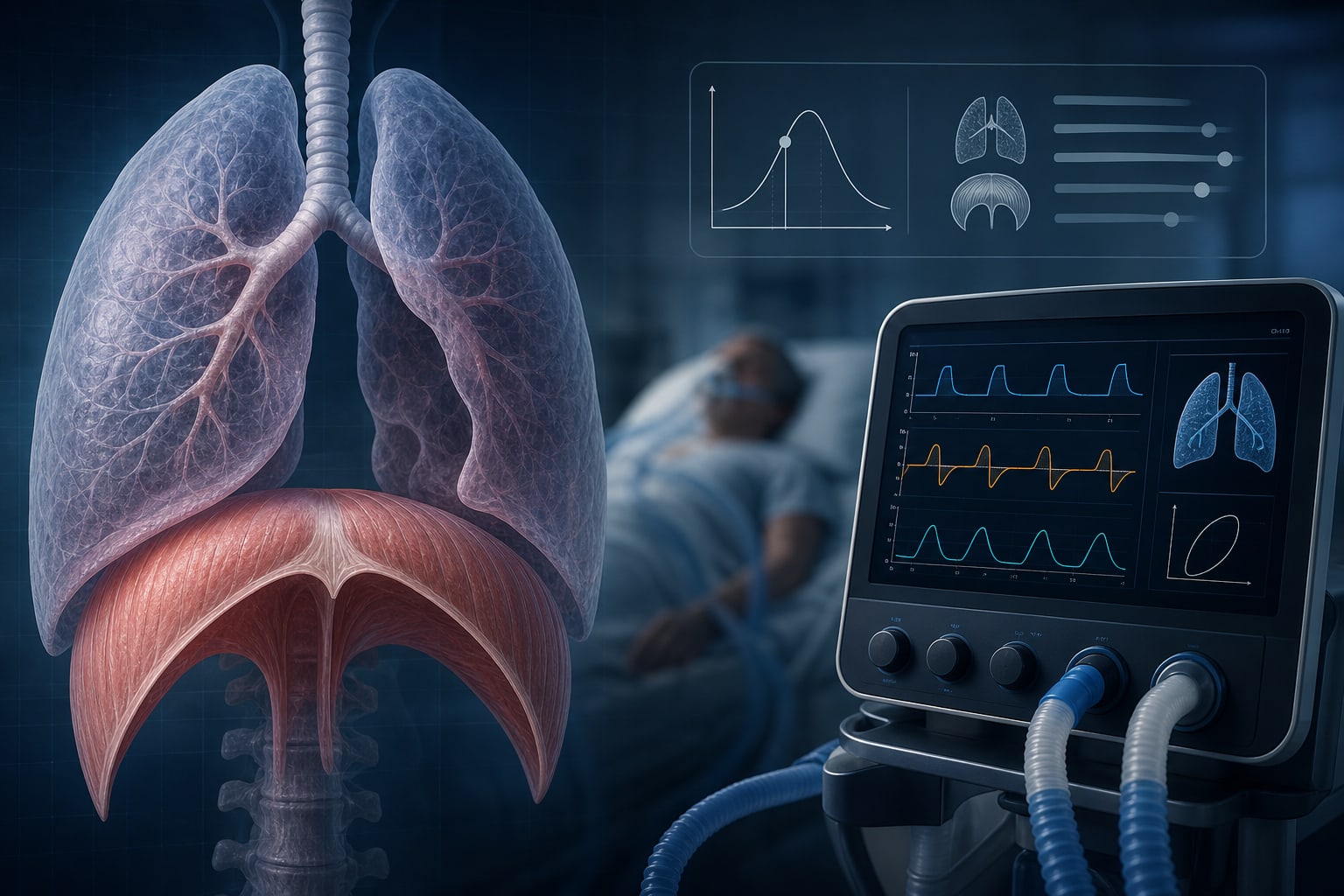
Clinicians should consider the risk of respiratory depression when selecting sedatives for pediatric PDL therapy, particularly for longer procedures. While ketamine may provide greater respiratory stability, it is associated with other adverse effects that must be managed. Individualized anesthetic selection based on patient factors and procedural requirements is essential.
Conclusion
Both ketamine and propofol are effective for pediatric sedation during PDL therapy, but their differing safety profiles necessitate careful consideration in clinical practice. Tailoring sedation strategies to individual patient needs can enhance safety and procedural success.