Incidence and Predictors of New Persistent Opioid Use in ICU Survivors Post-Discharge
Overview
This nationwide South Korean cohort study found that a measurable proportion of opioid-naïve ICU survivors develop new persistent opioid use within six months post-discharge. Key demographic, socioeconomic, clinical, and treatment-related factors were identified as predictors of ongoing opioid therapy.
Background
Advances in critical care have improved ICU survival, but many survivors suffer from post–intensive care syndrome, including chronic pain. Opioids are commonly used for acute pain management in ICU patients, raising concerns about prolonged opioid use after discharge. Prior studies, mostly from North America, report 2–10% incidence of new persistent opioid use post-ICU or surgery, but data from Asian populations and comprehensive predictors remain limited.
Data Highlights
Parameter
Details
Study Period
Jan 1, 2020 – Dec 31, 2022
Population
Adult ICU survivors in South Korea, opioid-naïve
Follow-up Duration
6 months post hospital discharge
Definition of New Persistent Opioid Use
Opioid prescriptions filled 1–90 days and 91–180 days post-discharge
Opioid Classification
Less potent (tramadol, dihydrocodeine) vs. potent (fentanyl, morphine, oxycodone, hydromorphone, methadone)
New persistent opioid use was identified based on outpatient prescriptions in two distinct post-discharge windows (1–90 days and 91–180 days).
Opioids were categorized by potency to assess both persistence and intensity of use.
Demographic factors such as age and sex influenced the risk of prolonged opioid use.
Socioeconomic variables including employment status, residential area, and income level were significant predictors.
Clinical factors like baseline comorbidity (Charlson Comorbidity Index), acute organ dysfunction during ICU stay, and pre-ICU functional status were associated with ongoing opioid use.
Hospital tier and treatment-related variables contributed to variability in persistent opioid use rates.
Clinical Implications
Clinicians should be aware that a subset of ICU survivors, especially those with certain demographic, socioeconomic, and clinical risk factors, are at increased risk for prolonged opioid use after discharge. Early identification and targeted interventions may help mitigate risks of opioid dependence and improve recovery trajectories. Consideration of opioid potency and careful post-discharge pain management planning are essential.
Conclusion
This comprehensive nationwide study expands understanding of new persistent opioid use among ICU survivors, highlighting multifactorial predictors and underscoring the need for tailored post-ICU opioid stewardship strategies.
References
1 -- Advances in critical care improving ICU survival
2 -- Post–intensive care syndrome overview
3 -- Opioids in acute pain management in ICU
4 -- Risks of prolonged opioid use post-ICU
5 -- Persistent opioid use after surgery in US populations
6 -- Postoperative ICU survivors and opioid use
7,8,9 -- ICU cohort studies on persistent opioid use
10 -- RECORD-PE guidelines for pharmacoepidemiology studies
11 -- NHIS South Korea data integrity and coverage
12 -- Definition of persistent opioid use by prescription windows
13 -- Opioid potency classification
14 -- ICD-10 algorithms for acute organ dysfunction
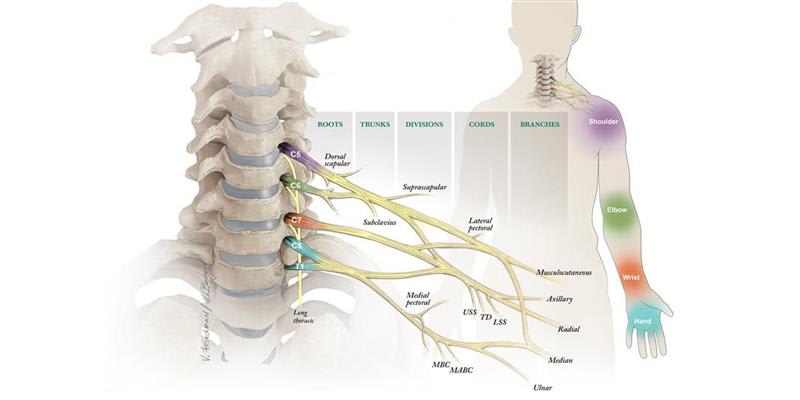
David Brogan, MD, MSc, and Christopher Dy, MD, MPH, who are pioneering new approaches to treating brachial plexus injuries, including those caused by high-velocity trauma such as motor vehicle accidents.