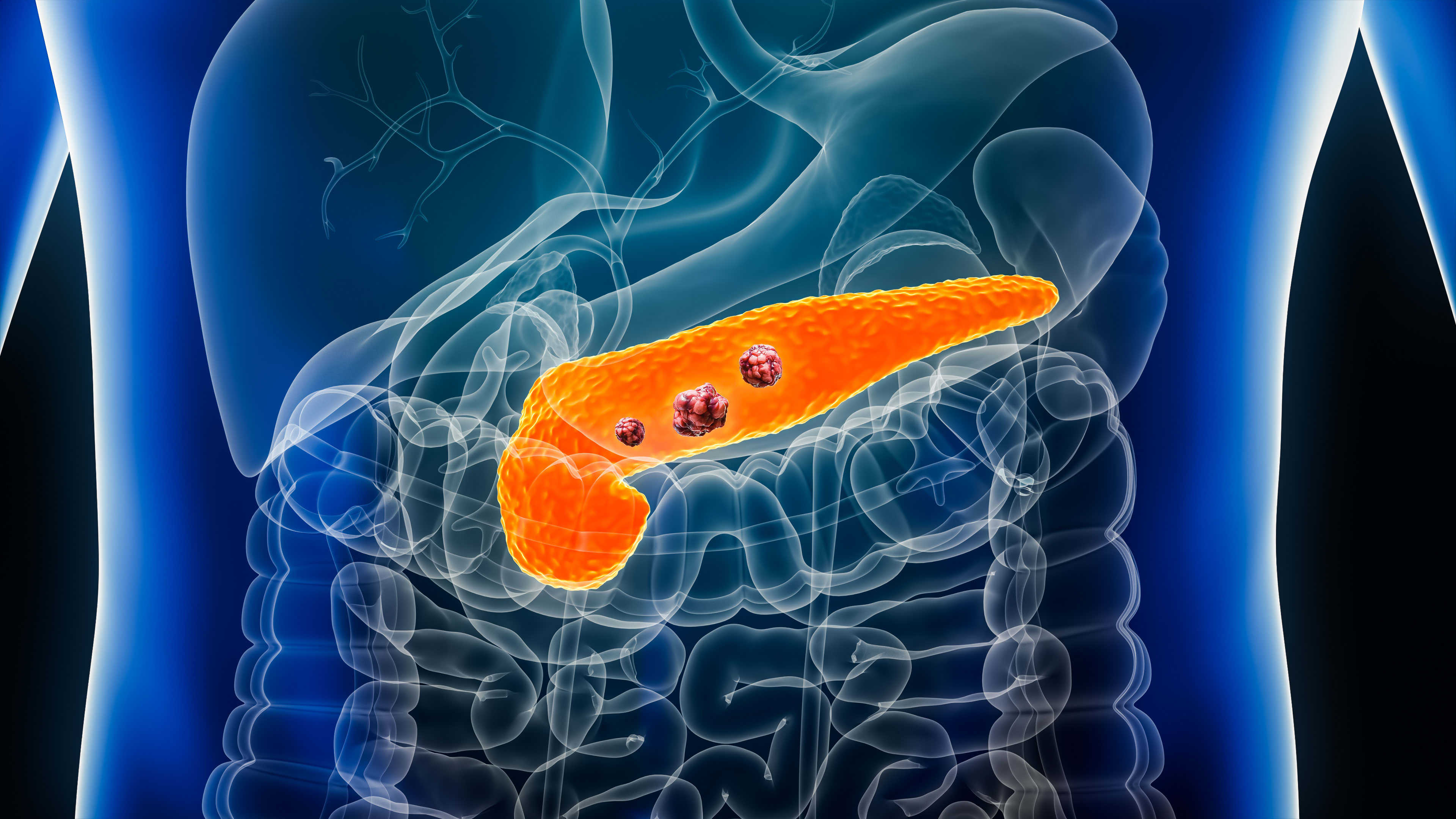
Biodegradable Stents for Biliary Strictures After Pediatric Liver Transplantation
Overview
This retrospective multicenter study evaluated the efficacy and safety of polydioxanone biodegradable stents in managing biliary strictures following pediatric liver transplantation. Among 102 patients treated across five European centers, the study assessed stricture recurrence, procedural feasibility, and complication rates, providing valuable insights into this emerging therapeutic option.
Background
Biliary complications are common after pediatric liver transplantation, often requiring interventions such as percutaneous transhepatic cholangiography (PTC) and bilioplasty. Traditional treatments involve prolonged internal-external biliary drainage, which can increase infection risk and negatively impact quality of life. Biodegradable stents offer a promising alternative by potentially reducing the need for long-term drainage and multiple interventions, but data on their use in children remain limited. This study represents the largest multicenter experience evaluating these stents in the pediatric population.
Biodegradable stent placement was feasible in all patients following PTC and bilioplasty.
Freedom from stricture recurrence was the primary endpoint, with outcomes analyzed over a minimum 6-month follow-up.
Complication rates were monitored to assess safety, with prophylactic antibiotics administered prior to procedures.
Variability existed among centers regarding timing of stent placement, number of bilioplasty sessions, and drainage protocols.
Strictures were classified by location and length, influencing treatment decisions and outcomes.
Indications for biodegradable stenting included residual or recoil strictures after bilioplasty and poor tolerance of internal-external drainage.
Clinical Implications
Biodegradable stents represent a viable and safe alternative to prolonged internal-external biliary drainage in pediatric liver transplant recipients with biliary strictures. Their use may reduce infection risk, hospitalization duration, and radiation exposure from repeated interventions. Multidisciplinary evaluation and individualized treatment planning remain essential due to variability in stricture characteristics and center protocols.
Conclusion
This large multicenter analysis supports the feasibility, safety, and potential efficacy of biodegradable biliary stents in managing post-transplant biliary strictures in children. These findings encourage further prospective studies to optimize protocols and long-term outcomes.
References
Various Authors/European Multicenter Study/2024 -- Biodegradable Stents in Managing Biliary Strictures Following Pediatric Liver Transplantation
by Paolo Marra, Daniel Barnes-Navarro, Lucía Fernández-Rodríguez, Giulio Barbiero, Simon Prosser McGuirk, Carla Gonzalez-Junyent, Iratxe Díez-Miranda, Jesus Quintero-Bernabeu, Teresa Hernández-Cabrero, Joan Novo-Torres, Maria Dolores Ponce-Dorrego, Jimena Gonzalez-Nieto, Michele Battistel, Maria Carla Minà, Stefano Groff, Conor J. A. Aleman, Rebecca Lucy Warren, Khalid Sharif, Chiara Ceriani, Riccardo Muglia, Lorenzo D’Antiga, Sandro Sironi, Mercedes Perez-Lafuente