Unveiling the efficacy predictors and potential mechanisms of Semen Cuscutae against osteoporosis via machine learning and meta-analysis: a preclinical study - Report - MDSpire

Unveiling the efficacy predictors and potential mechanisms of Semen Cuscutae against osteoporosis via machine learning and meta-analysis: a preclinical study

  • By

  • Bo Dong

  • Rui Tang

  • Dongping Wan

  • Haoxiang Yuan

  • Chuan Leng

  • Rui Wang

  • Feilong Li

  • Junbo He

  • Yong Peng

  • Shihang Cao

  • Baohui Wang

  • June 10, 2026

  • 0 min

Share

Clinical Report: Predictors of Efficacy of Semen Cuscutae in Osteoporosis

Overview

This study systematically evaluates the anti-osteoporotic efficacy of Semen Cuscutae, demonstrating significant improvements in bone mineral density and micro-architecture. Machine learning analysis identifies key experimental factors influencing treatment efficacy.

Background

Osteoporosis is a prevalent skeletal disorder leading to increased fracture risk. Current treatments have limitations.

Data Highlights

OutcomeEffect of Semen Cuscutae
Femoral BMDIncreased
Lumbar Spine BMDIncreased
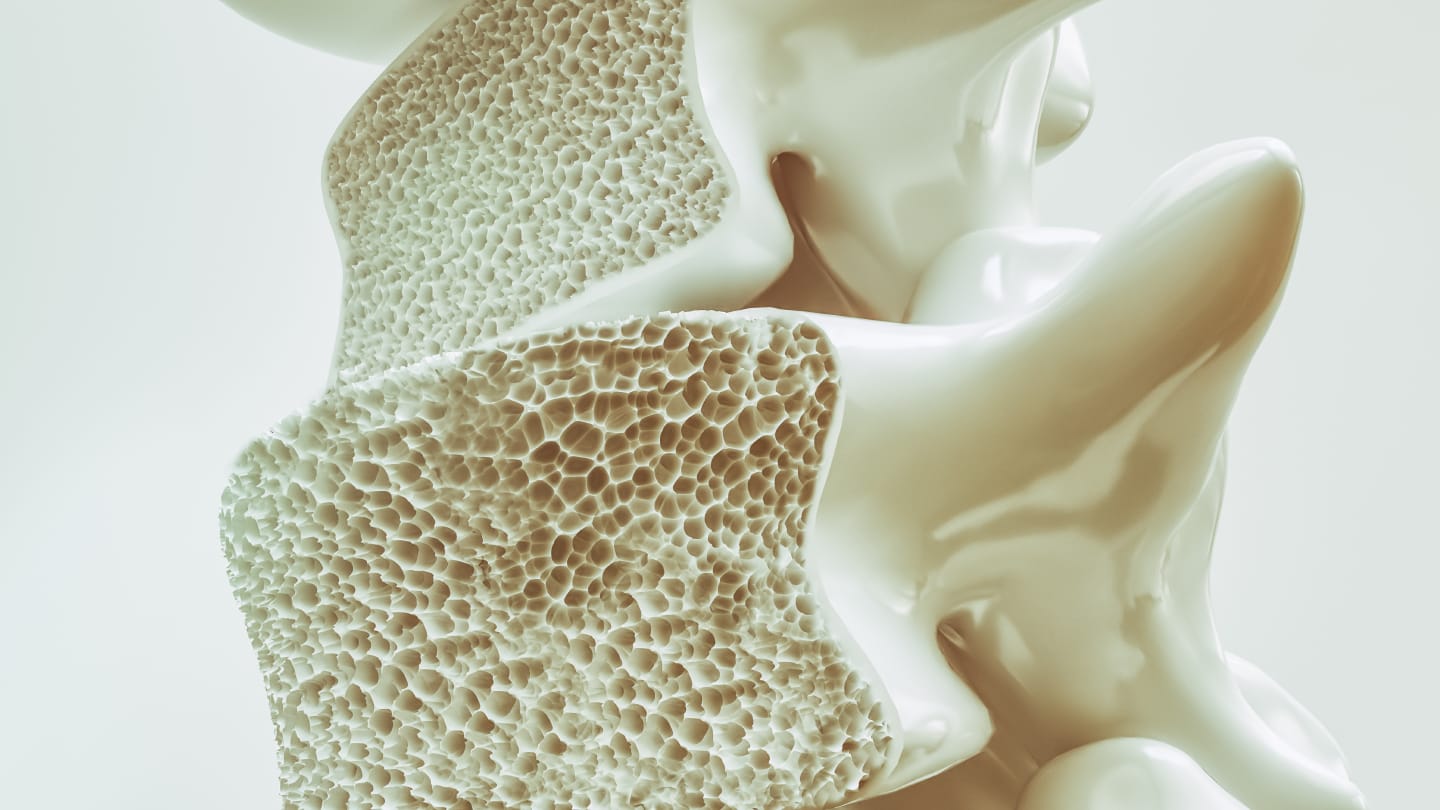
Trabecular BV/TVIncreased
Trabecular Tb.ThIncreased
Trabecular Tb.SpDecreased
Biomechanical StrengthEnhanced

Key Findings

  • Semen Cuscutae increases femoral and lumbar spine BMD.
  • Improves trabecular micro-architecture.
  • Enhances biomechanical strength of bones.
  • Reduces pro-inflammatory cytokines and bone resorption markers.
  • Upregulates osteogenic factors.
  • Machine learning analysis identifies predictors of efficacy.

Clinical Implications

The findings suggest that Semen Cuscutae may be a viable natural treatment option for osteoporosis, with specific attention to species and dosing in future studies. Understanding the mechanisms involved can guide further research and potential clinical applications.

Conclusion

Semen Cuscutae demonstrates osteoprotective effects through anti-inflammatory and osteogenic mechanisms.

Related Resources & Content

  1. Frontiers in Medicine, 2026 -- Predicting poor response to anti-osteoporosis therapy: a machine learning model integrating clinical and novel biomarker data
  2. Frontiers in Endocrinology, 2026 -- An explainable predictive machine learning model of osteopenia for perimenopausal women based on clinical data: a retrospective single-center study
  3. The Journal of Clinical Endocrinology & Metabolism -- Short-duration, Low-impact, High-intensity Osteogenic Loading for Postmenopausal Osteoporosis: A Quasi-experimental Case Series Analysis
  4. conexiant — Machine Learning May Help Refine Fracture Risk Prediction
  5. Osteoporosis Screening Recommendations
  6. Clinician’s Guide to Osteoporosis
  7. NOGG Guidelines on Osteoporosis
  8. Osteoporosis: diagnosis and management ACG | Agency for Care Effectiveness
  9. Once-Yearly Zoledronic Acid and Days of Disability, Bed Rest, and Back Pain: Randomized, Controlled HORIZON Pivotal Fracture Trial - PMC
  10. Relationship between bone mineral density changes with denosumab treatment and risk reduction for vertebral and nonvertebral fractures - PMC
  11. Romosozumab or Alendronate for Fracture Prevention in Women with Osteoporosis | New England Journal of Medicine
  12. The efficacy and safety of romosozumab sequential therapy in postmenopausal women: A systematic review and meta-analysis - ScienceDirect
  13. Romosozumab Versus Teriparatide for the Treatment of Postmenopausal Osteoporosis: An Overview of Systematic Reviews With Direct and Indirect Meta-Analyses - PubMed
  14. PTH1 receptor agonists for fracture risk: a systematic review and network meta-analysis - PMC
  15. Section 5: Non-pharmacological management of osteoporosis | NOGG

Original Source(s)

Related Content