Temporal neural coupling: reconciling the Bobath concept with task-oriented training for post-stroke upper limb recovery—a perspective - Report - MDSpire

Temporal neural coupling: reconciling the Bobath concept with task-oriented training for post-stroke upper limb recovery—a perspective

  • By

  • Dong Guo

  • He Zhang

  • Dan Zou

  • Zhao-min Ding

  • July 9, 2026

  • 0 min

Share

Clinical Report: Harmonizing Temporal Neural Connections in Stroke Rehabilitation

Overview

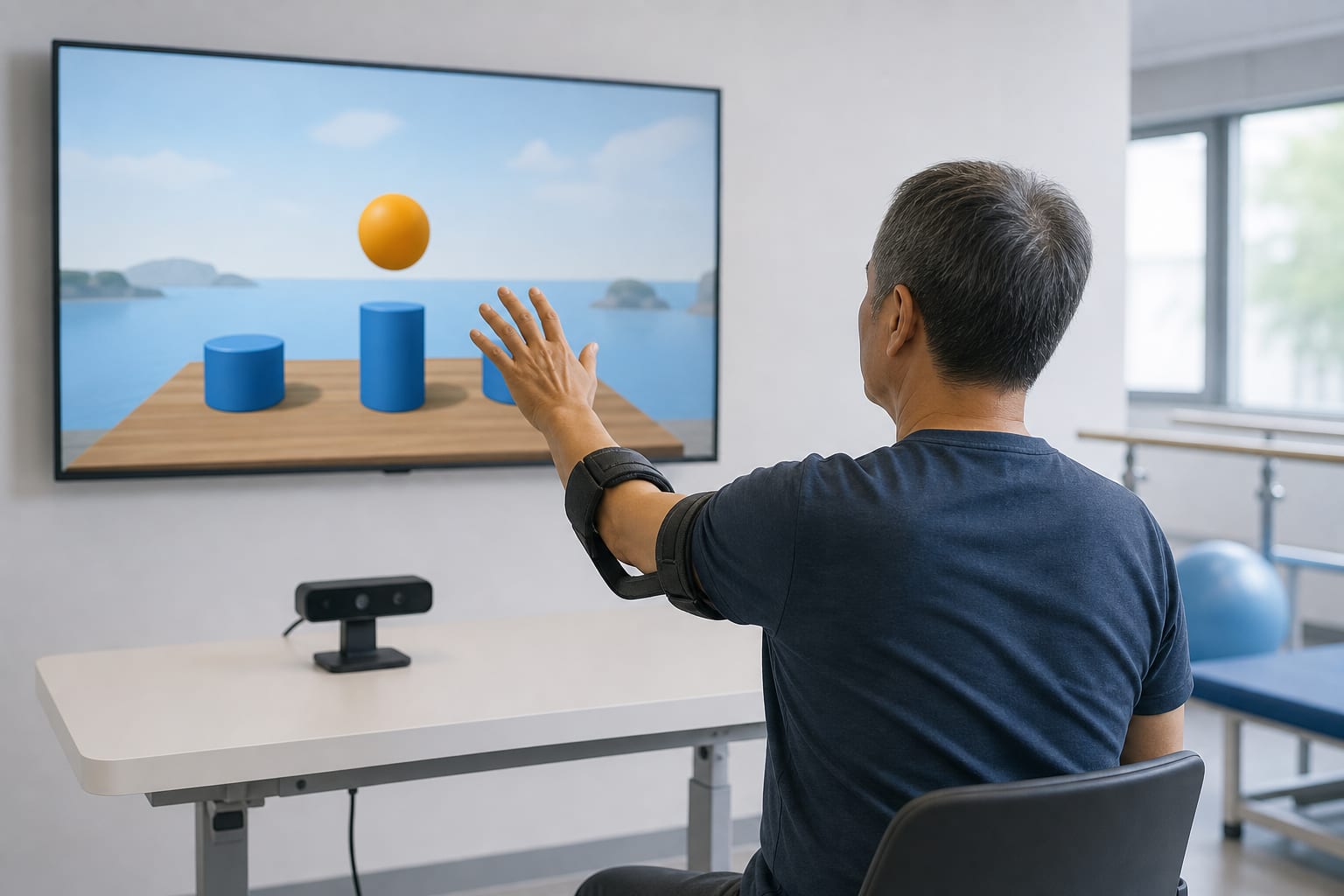
This article presents a perspective on integrating the Bobath approach with task-oriented training for upper limb rehabilitation after stroke.

Background

Upper limb dysfunction is a common consequence of stroke, affecting 50-80% of survivors and leading to significant long-term disability. Traditional rehabilitation methods often focus on either movement normalization or intensive task repetition.

Data Highlights

No numerical or trial data provided in the source material.

Key Findings

  • The Bobath concept emphasizes inhibition of abnormal movement patterns, while task-oriented training focuses on high-intensity, goal-directed practice.
  • Combining these approaches has shown no significant long-term differences in functional outcomes in meta-analyses.
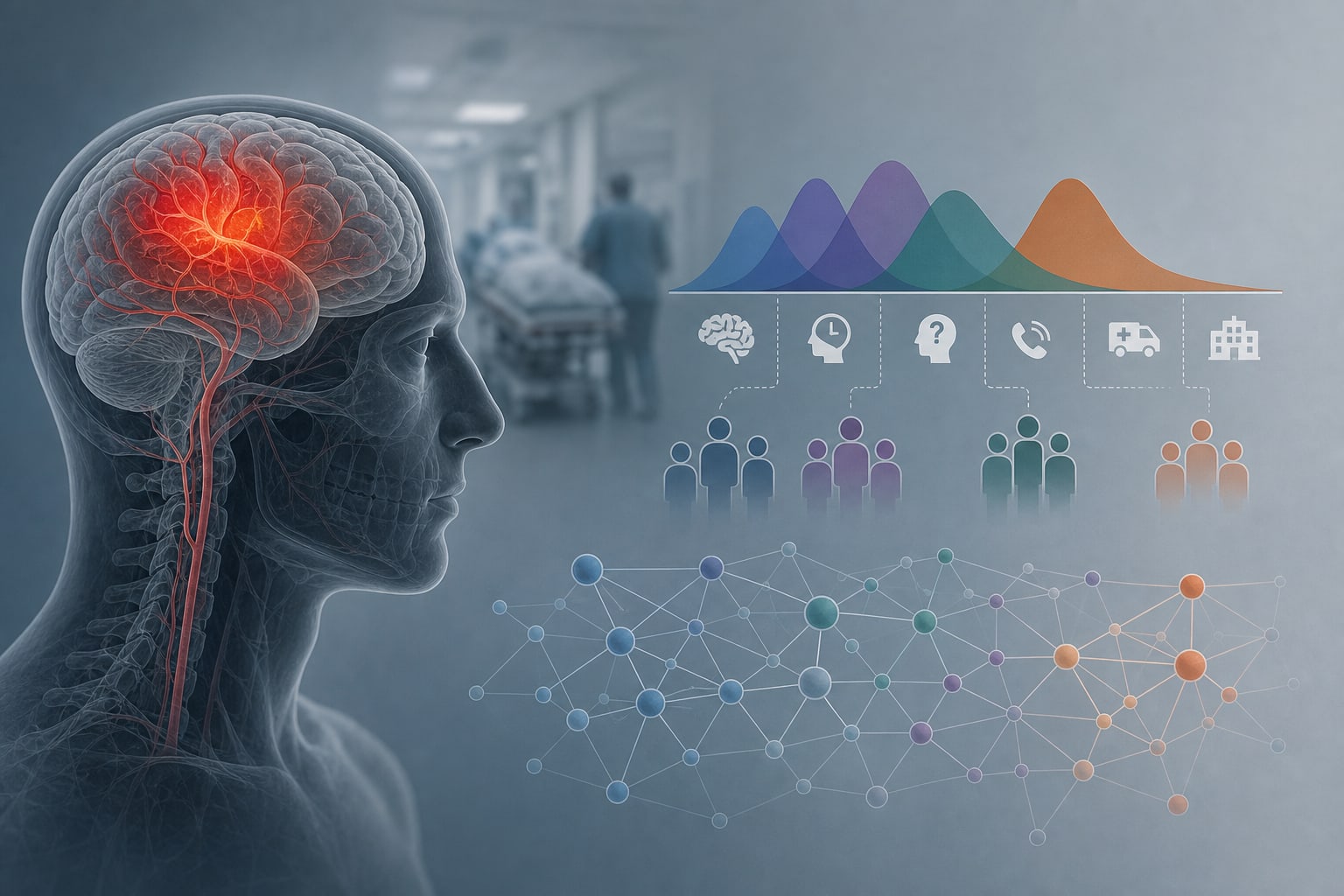
  • The proposed temporal neural coupling framework suggests that aligning preparatory states with motor learning could improve rehabilitation efficacy.
  • Current rehabilitation paradigms often fail to consider when the nervous system is most receptive to adaptive changes.

Clinical Implications

Monitoring neurophysiological states may enhance the timing and effectiveness of therapeutic interventions.

Conclusion

The integration of the Bobath approach with task-oriented training through a framework of temporal neural coupling presents a perspective on stroke rehabilitation.

Related Resources & Content

  1. Frontiers in Neurology, 2026 -- The effect of rehabilitation training based on brain-computer interface on limb function in stroke patients: a systematic review and meta-analyses
  2. Brain, 2023 -- Motor learning after stroke: what we’ve learned and what lies ahead
  3. DIGITAL HEALTH, 2023 -- Toward intelligent rehabilitation: Multimodal human pose modeling with parametric meshes and graph-based temporal reasoning
  4. DIGITAL HEALTH, 2023 -- Unilateral and bilateral digital mirror visual feedback with different movement types modulate mu oscillations in individuals with stroke
  5. European Stroke Organisation (ESO) guideline on motor rehabilitation, 2023
  6. Effectiveness of robot-assisted task-oriented training intervention for upper limb and daily living skills in stroke patients: A meta-analysis - PubMed
  7. European Stroke Organisation (ESO) guideline on motor rehabilitation
  8. Effectiveness of robot-assisted task-oriented training intervention for upper limb and daily living skills in stroke patients: A meta-analysis - PubMed

Original Source(s)

Related Content