Assessing upper motor neuron dysfunction in ALS: from TMS-EEG and EMG neurophysiology to a combined tFUS-TMS translational framework - Report - MDSpire

Assessing upper motor neuron dysfunction in ALS: from TMS-EEG and EMG neurophysiology to a combined tFUS-TMS translational framework

  • By

  • Ahmadreza Keihani

  • Mahsa Hassani

  • Seyed Saman Sajadi

  • Seyedeh Atena Modarresi

  • Marziyeh Khoshkholgh

  • Mahdi Haresabadi

  • Kiana Amani

  • Zahra Jourahmad

  • Fabio Ferrarelli

  • June 11, 2026

  • 0 min

Share

Clinical Report: Evaluating Upper Motor Neuron Impairment in ALS

Overview

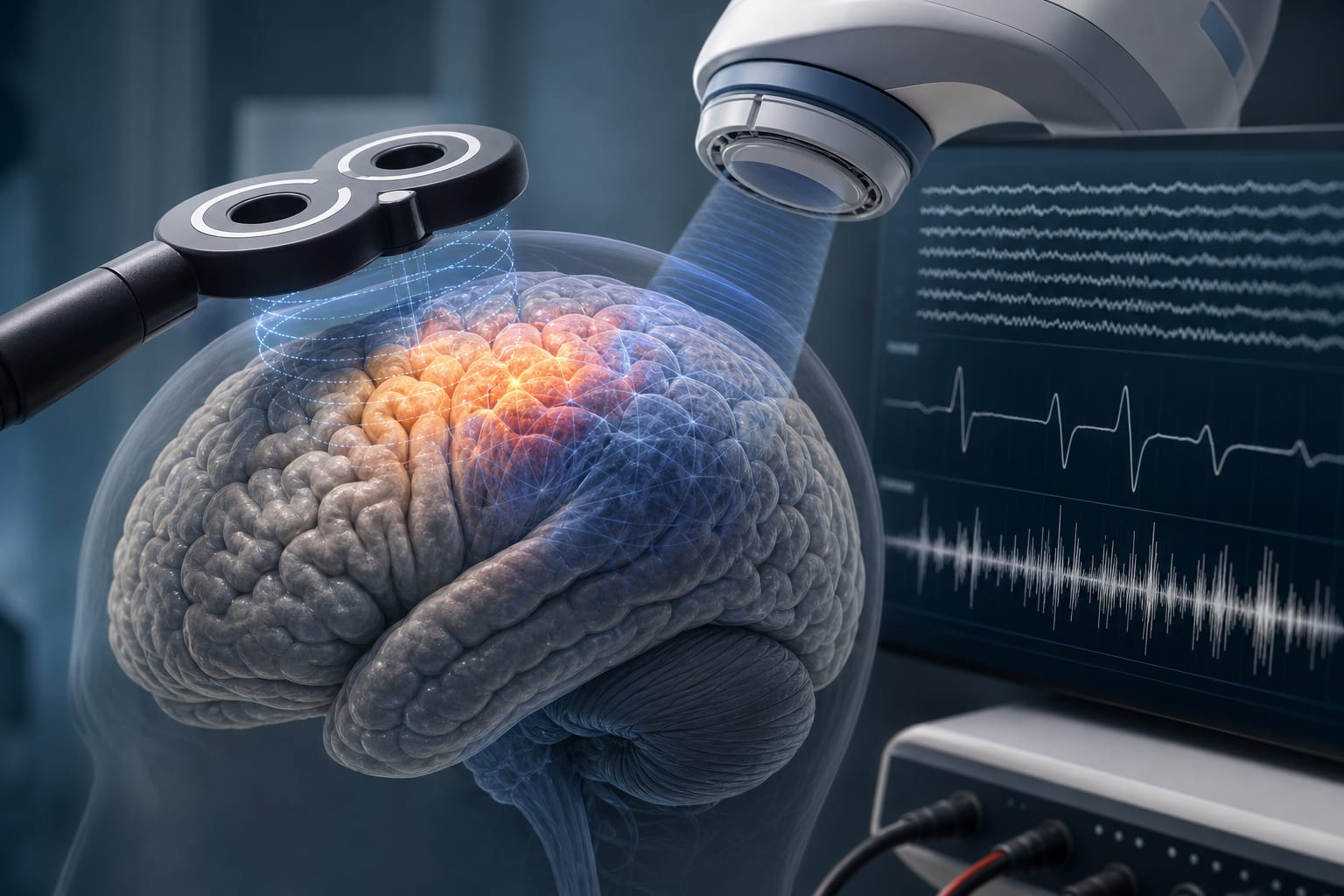
This report reviews the role of upper motor neuron (UMN) dysfunction in amyotrophic lateral sclerosis (ALS) and highlights the potential of integrating transcranial focused ultrasound (tFUS) with transcranial magnetic stimulation (TMS) to investigate cortical hyperexcitability. The findings suggest that neurophysiological markers may enhance understanding of ALS pathology and inform therapeutic strategies.

Background

Amyotrophic lateral sclerosis (ALS) is characterized by the degeneration of both upper and lower motor neurons, leading to significant clinical challenges. Understanding the mechanisms of UMN dysfunction is crucial for developing effective biomarkers and therapies. Current diagnostic tools lack sensitivity, emphasizing the need for innovative approaches to assess disease progression and treatment response.

Data Highlights

No numerical data or trial data presented in the article.

Key Findings

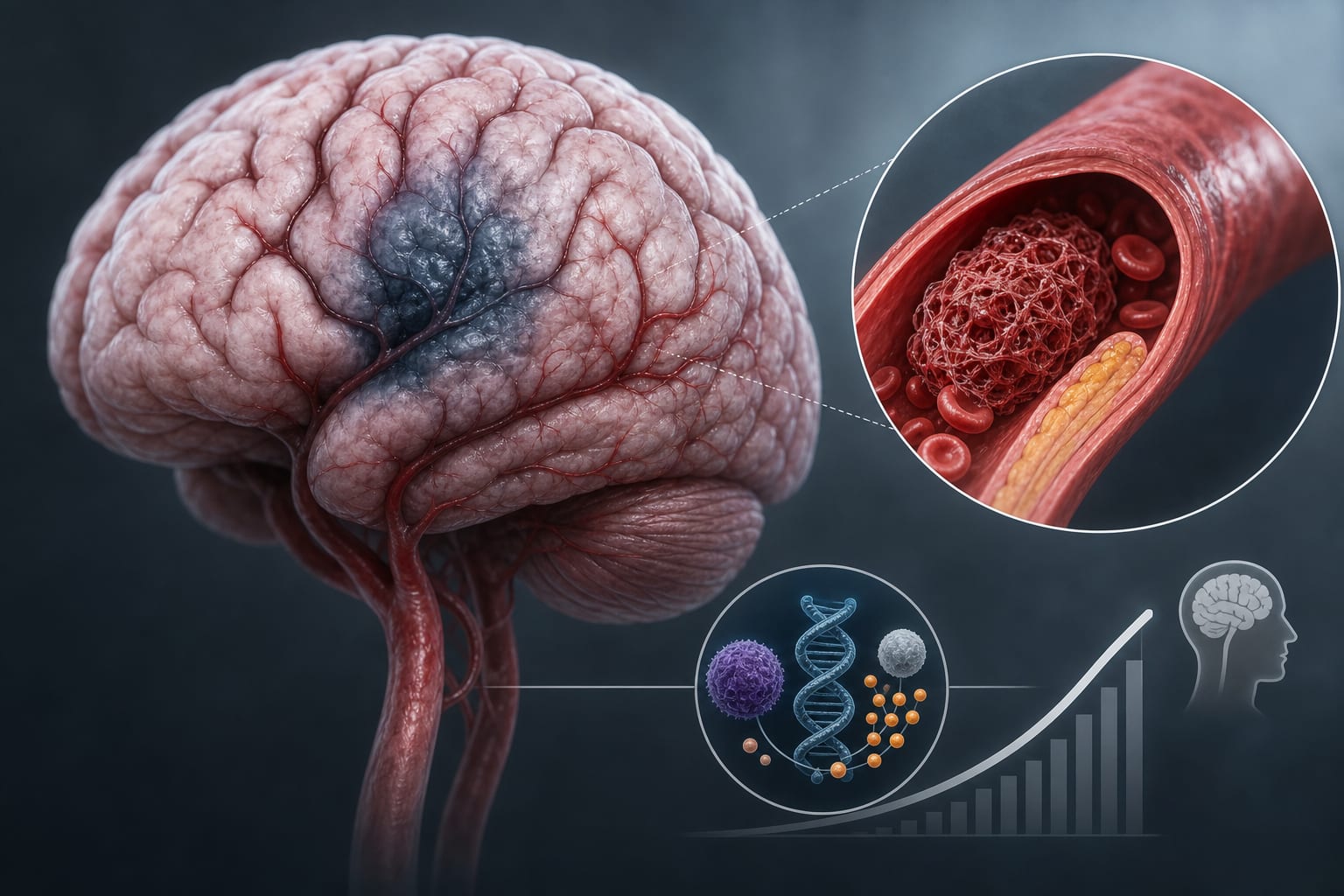
  • UMN dysfunction may drive LMN degeneration through an anterograde dying-forward process.
  • Cortical hyperexcitability is identified as an early mechanism in ALS pathology.
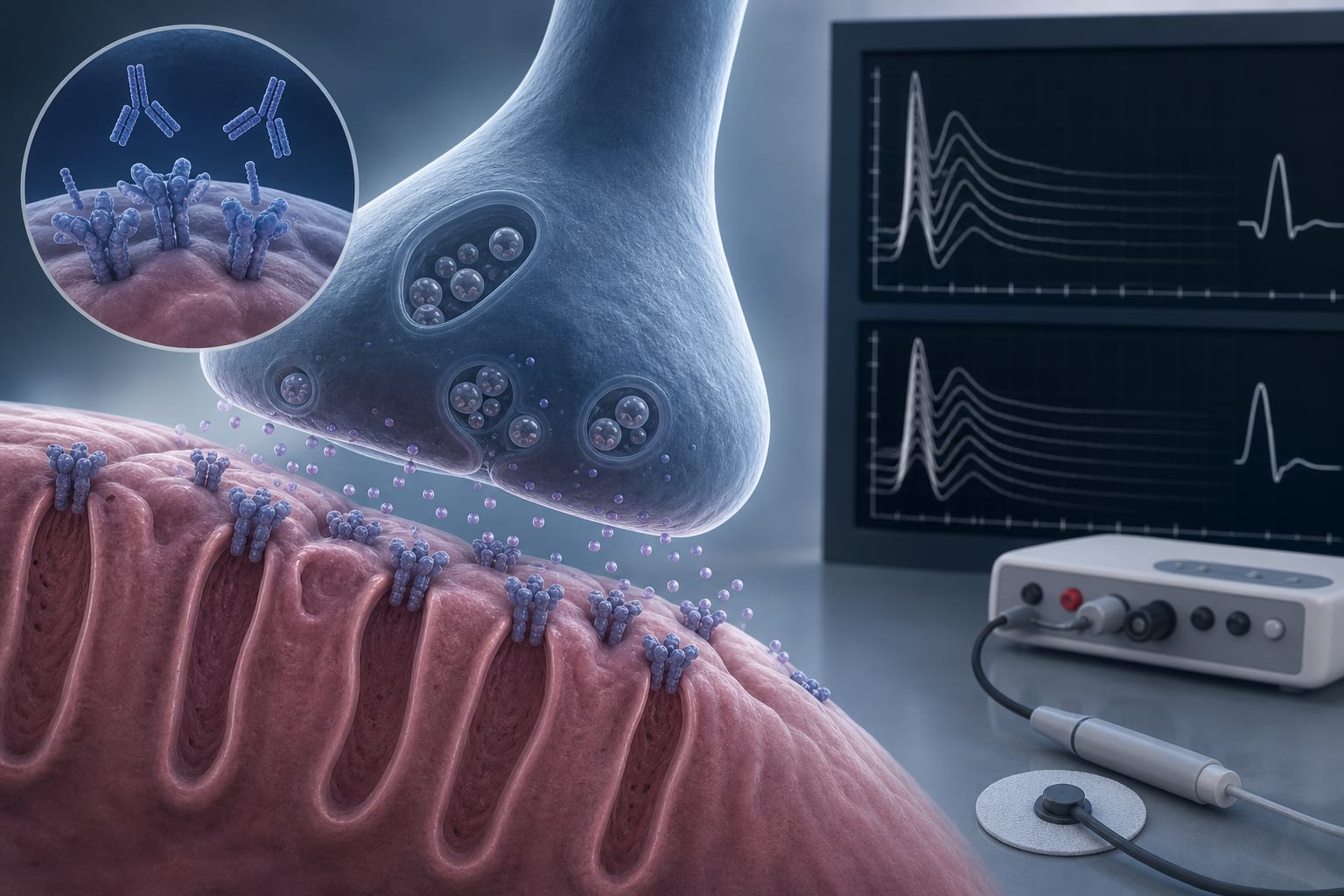
  • TMS-EMG and TMS-EEG studies reveal cortical disinhibition and excitatory-inhibitory imbalance in ALS patients.
  • Integration of tFUS with TMS could provide insights into modulating cortical hyperexcitability.
  • Neurophysiological biomarkers are essential for understanding ALS mechanisms and refining therapeutic strategies.

Clinical Implications

The integration of TMS and tFUS may enhance the ability to assess and modulate cortical hyperexcitability in ALS. This approach could lead to improved understanding of UMN dysfunction and its role in disease progression, potentially informing future therapeutic interventions.

Conclusion

The review emphasizes the importance of noninvasive neurophysiology in elucidating UMN dysfunction in ALS. Integrating advanced techniques may pave the way for better diagnostic and therapeutic strategies.

Related Resources & Content

  1. Author(s)/Org, Source, Year -- Title
  2. Frontiers in Neurology, Prognostic accuracy of transcranial magnetic stimulation-induced motor evoked potentials on recovery of upper limb: a systematic review
  3. Frontiers in Neurology, Transcranial magnetic stimulation combined with functional near-infrared spectroscopy to elucidate the neurophysiological mechanisms of post-stroke hemiplegia: a systematic review
  4. Frontiers in Neurology, Effects of repetitive transcranial magnetic stimulation on upper limb motor recovery after stroke: an overview of systematic reviews
  5. Contribution of neurophysiology to the diagnosis and monitoring of ALS - ScienceDirect
  6. European Academy of Neurology (EAN) guideline on the management of amyotrophic lateral sclerosis in collaboration with European Reference Network for Neuromuscular Diseases (ERN EURO‐NMD) - Van Damme - 2024 - European Journal of Neurology - Wiley Online Library
  7. Reduction in short interval intracortical inhibition from the early stage reflects the pathophysiology in amyotrophic lateral sclerosis: A meta-analysis study - PubMed
  8. Contribution of neurophysiology to the diagnosis and monitoring of ALS - ScienceDirect
  9. European Academy of Neurology (EAN) guideline on the management of amyotrophic lateral sclerosis in collaboration with European Reference Network for Neuromuscular Diseases (ERN EURO‐NMD) - Van Damme - 2024 - European Journal of Neurology - Wiley Online Library
  10. Reduction in short interval intracortical inhibition from the early stage reflects the pathophysiology in amyotrophic lateral sclerosis: A meta-analysis study - PubMed

Original Source(s)

Related Content