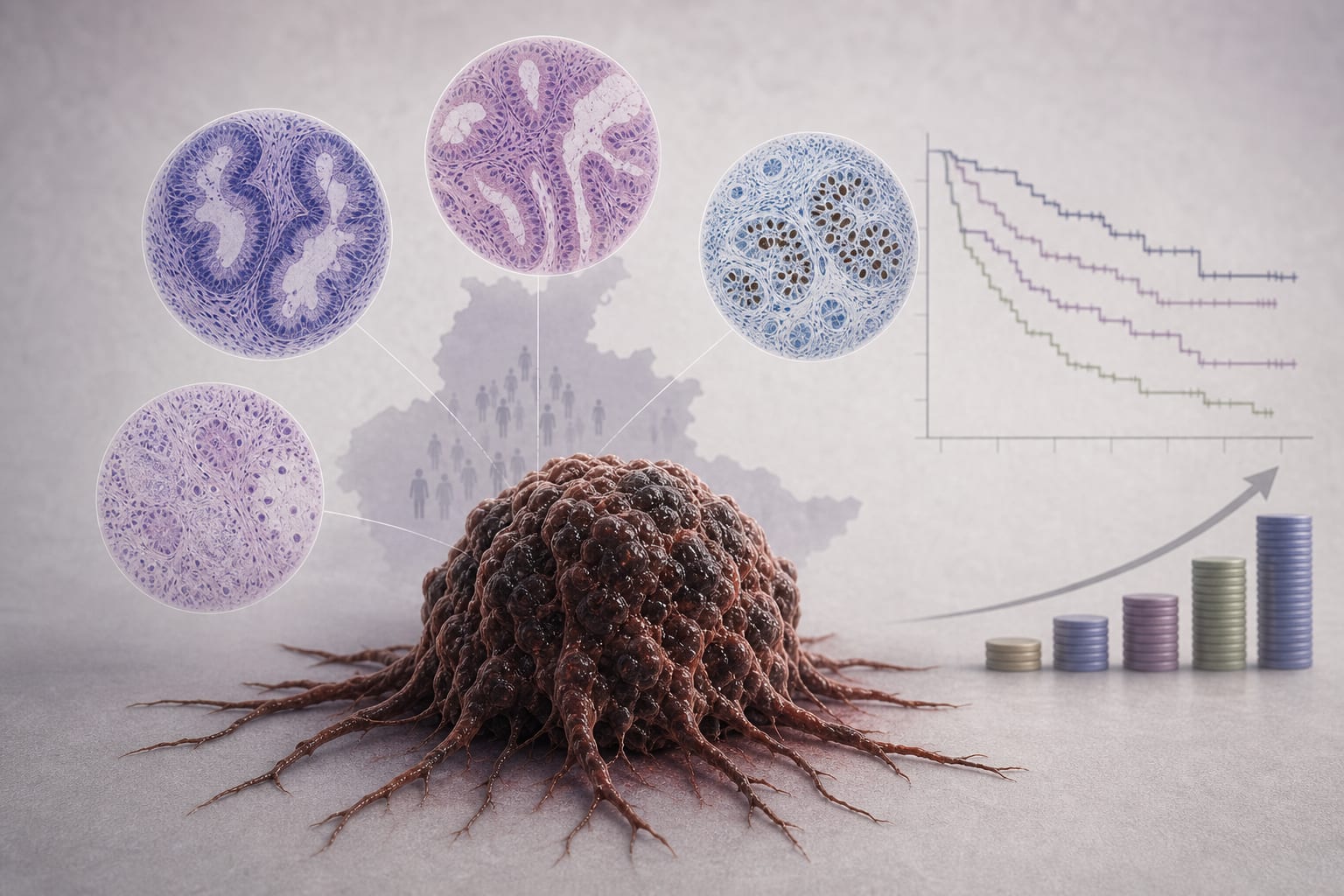
Patient Profiles and Outcomes in Endometriosis with Malignant or Borderline Ovarian Tumors: Insights from an ESGO Designated Center of Excellence - Report - MDSpire
Clinical Report: Patient Profiles and Outcomes in Endometriosis with Ovarian Tumors
Overview
This study evaluates the survival outcomes and clinical characteristics of patients with malignant or borderline ovarian tumors, with a focus on those with concurrent endometriosis. The findings suggest that endometriosis may influence prognosis in ovarian cancer patients.
Background
Endometriosis is a prevalent condition affecting 5-10% of women of reproductive age and is associated with an increased risk of ovarian cancer, particularly type I histotypes. Understanding the relationship between endometriosis and ovarian tumors is crucial for improving patient management and outcomes.
Data Highlights
No numerical data was provided in the source material.
Key Findings
Endometriosis is associated with a 2- to 10-fold increased risk of ovarian cancer.
Atypical endometriosis may serve as a premalignant precursor lesion, found in 12-35% of ovarian endometriomas.
Concurrent endometriosis at the time of ovarian cancer diagnosis may have prognostic implications.
Histological confirmation of endometriosis is essential for accurate diagnosis and treatment planning.
Multidisciplinary management is critical for optimal outcomes in ovarian cancer patients.
Clinical Implications
Clinicians should consider the presence of endometriosis when evaluating patients with ovarian tumors, as it may influence treatment decisions and prognostic assessments. Enhanced awareness and monitoring strategies for patients with endometriosis are recommended.
Conclusion
The study underscores the importance of recognizing endometriosis as a potential factor in the prognosis of ovarian cancer, warranting further investigation into its implications for patient management.