Clinical Report: Mass Spec Behind the Mask
Overview
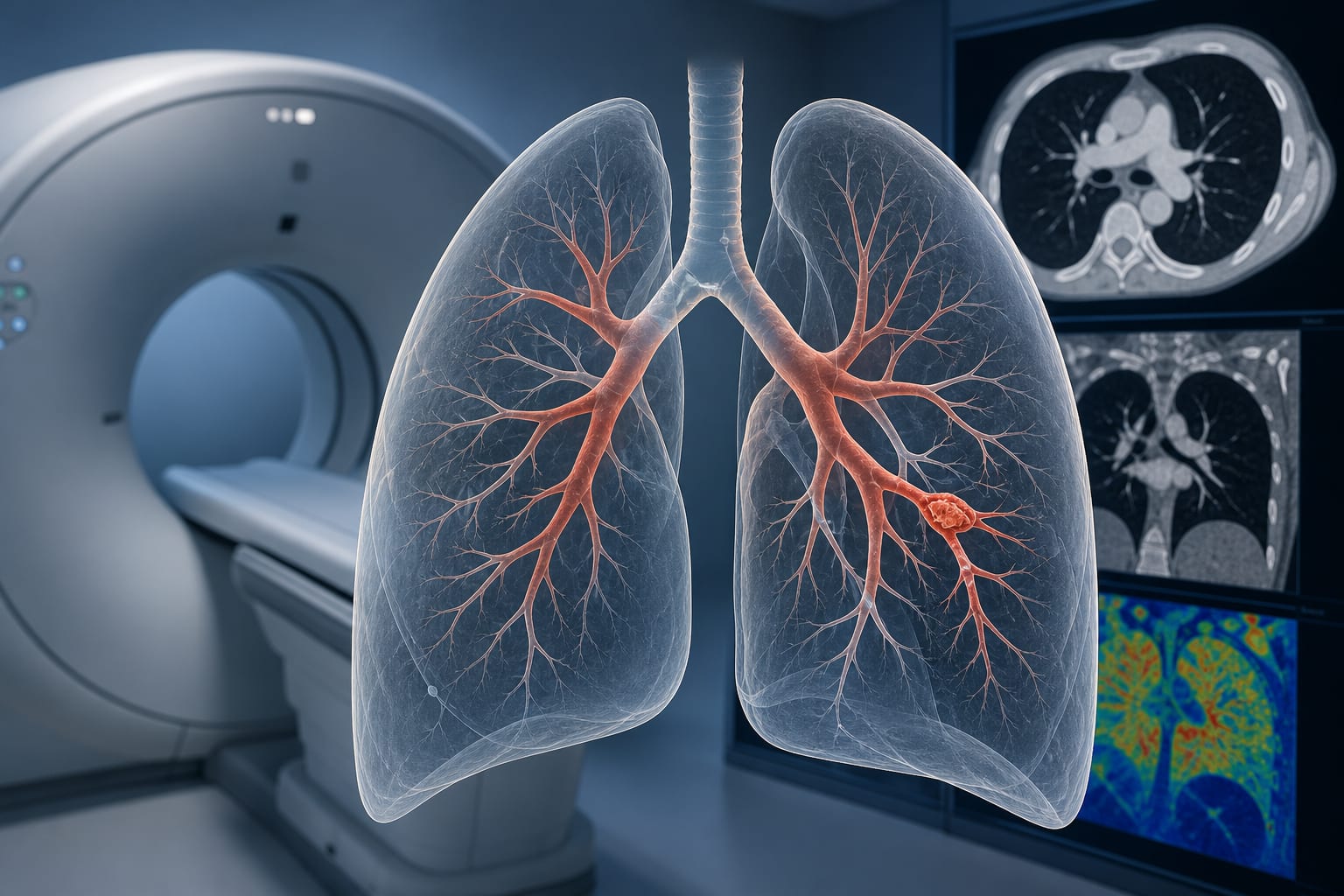
A modified KN95 mask enables portable detection of exhaled nitric oxide (NO) using mass spectrometry, facilitating on-site analysis for airway inflammation. The method demonstrated reproducible measurements and effective differentiation of NO levels under varying conditions.
Background
Exhaled nitric oxide is a well-established biomarker for assessing airway inflammation, particularly in conditions like asthma. Traditional detection methods are often impractical for near-patient testing.
Data Highlights
The assay delivered reproducible measurements with a detection limit suitable for typical exhaled NO screening ranges within minutes. Humidity had minimal impact on detection performance, while ambient temperature influenced NO capture.
Key Findings
- A modified KN95 mask was developed for exhaled NO detection using mass spectrometry.
- The assay utilized paper strips with amlodipine to react with exhaled NO, forming dehydro amlodipine.
- Direct detection of NO was achieved through paper spray ionization miniature mass spectrometry.
- The method effectively distinguished NO levels after rinsing with ascorbic acid, indicating its sensitivity to changes in exhaled NO.
- Ambient temperature was identified as a critical variable affecting detection performance.
Clinical Implications
This innovative mask-based workflow could provide a practical solution for on-site screening of airway inflammation. Clinicians may consider its application for monitoring patients with inflammatory airway diseases.
Conclusion
The integration of mass spectrometry into a wearable format for NO detection represents a significant advancement in the assessment of airway inflammation. Future studies may further refine its application in clinical practice.
Related Resources & Content
- NICE, Recommendations | Asthma: diagnosis, monitoring and chronic asthma management, 2024
- GINA, Global Initiative for Asthma 2025 Strategy Report, 2025
- NHLBI, Update on Selected Topics in Asthma Management, 2020
- NCBI, Evidence reviews for FeNO measures to monitor asthma, 2024
- the analytical scientist — Mass Spec Roundup: From Masterpieces to Microplastics
- the analytical scientist — Mass Spec Roundup: Molecules, Messages and Fingermarks
- the analytical scientist — Mass Spec Roundup: Peptides, Particles, Clocks, and Canines
- the analytical scientist — Mass Spec Roundup: Proteins, Lipids, Pitcher Plants, and Coffee
- Mass Spec Roundup: From Masterpieces to Microplastics
- Mass Spec Roundup: Molecules, Messages and Fingermarks
- Mass Spec Roundup: Peptides, Particles, Clocks, and Canines
- Recommendations | Asthma: diagnosis, monitoring and chronic asthma management (BTS, NICE, SIGN) | Guidance | NICE
- COPYRIGHTED MATERIAL - DO NOT COPY OR DISTRIBUTE
- Update on Selected Topics in Asthma Management: A Report from the NAEPPCC Expert Panel Working Group
- Evidence reviews for FeNO measures to monitor asthma - NCBI Bookshelf
- Additive prognostic value of blood eosinophils and exhaled nitric oxide (FeNO) to predict asthma attacks in the ORACLE patient-level meta-analysis | European Respiratory Society
- Utility of exhaled nitric oxide to guide mild asthma treatment in atopic patients and its correlation with asthma control test score: a randomized controlled trial | BMC Pulmonary Medicine | Springer Nature Link
- ERS technical standard: Global Lung Function Initiative reference values for exhaled nitric oxide fraction (FENO50)
- Fractional exhaled nitric oxide in acute exacerbations of chronic obstructive pulmonary disease: A meta-analysis with meta-regressions - PubMed
This content is an AI-generated, fully rewritten summary based on a published scholarly article. It does not reproduce the original text and is not a substitute for the original publication. Readers are encouraged to consult the source for full context, data, and methodology.