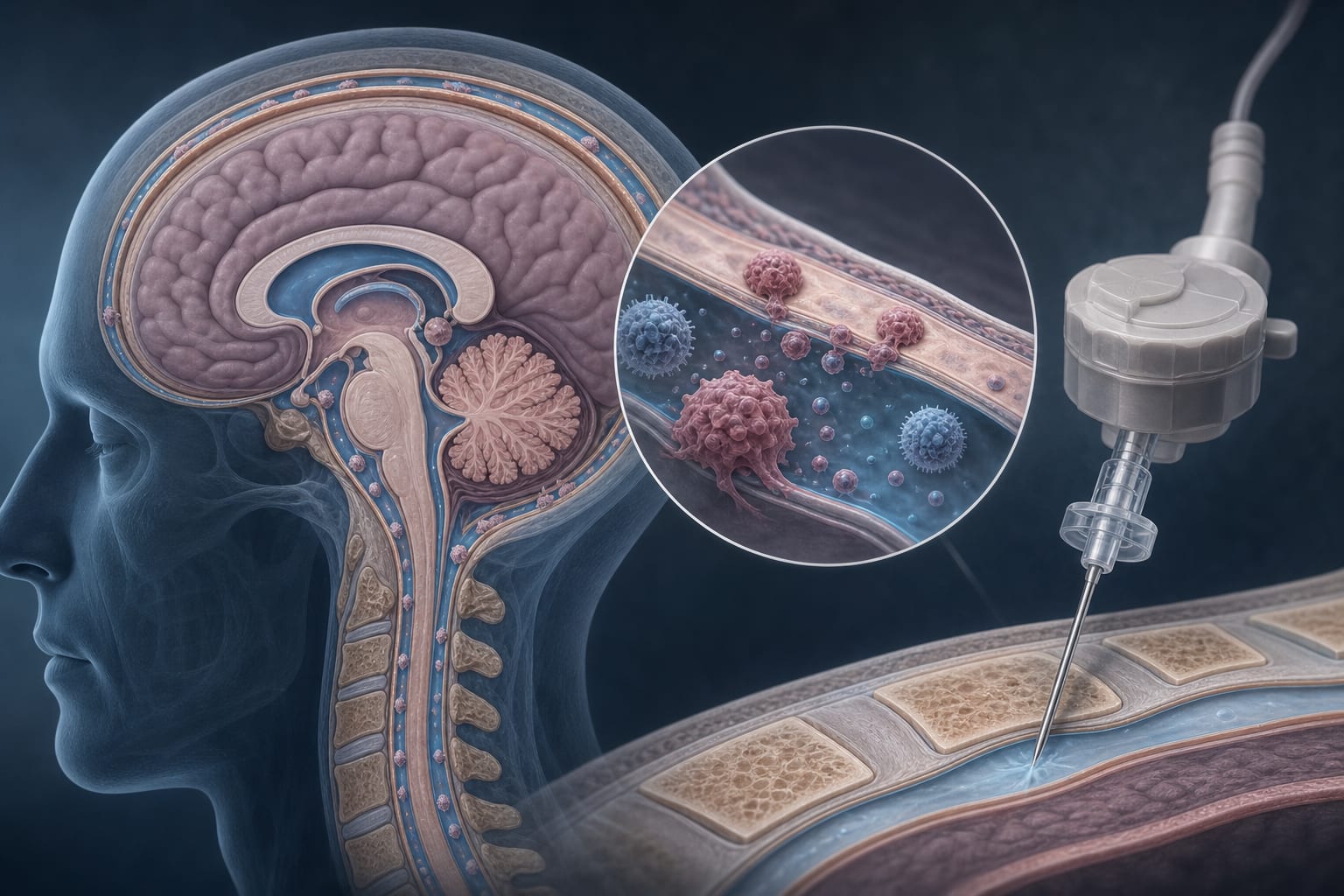
Increased Serum Concentrations of Interleukin-11 and MMP-9 in ME/CFS
Overview
This study reports significantly elevated serum levels of interleukin-11 (IL-11) and matrix metalloproteinase-9 (MMP-9) in patients with myalgic encephalomyelitis/chronic fatigue syndrome (ME/CFS) compared to healthy controls. The findings suggest a potential role of mast cells and Epstein-Barr Virus (EBV) in the pathogenesis of ME/CFS.
Background
Myalgic encephalomyelitis/chronic fatigue syndrome (ME/CFS) is a debilitating condition characterized by severe fatigue and neurological symptoms, affecting approximately 3.3 million people in the U.S. The lack of reliable biomarkers and effective treatments underscores the importance of understanding its underlying mechanisms, particularly the role of immune dysfunction and inflammation.
Data Highlights
Parameter
ME/CFS Patients (n=40)
Controls (n=38)
IL-11 Levels
Significantly Increased
Normal
MMP-9 Levels
Significantly Increased
Normal
Key Findings
Serum levels of IL-11 were significantly higher in ME/CFS patients compared to controls.
MMP-9 levels were also significantly elevated in ME/CFS patients.
Mast cells stimulated by recombinant EBV protein released higher amounts of MMP-9.
ME/CFS is associated with immune dysfunction and neuroinflammation.
There are no validated blood biomarkers currently recommended for ME/CFS diagnosis.
Clinical Implications
The elevated levels of IL-11 and MMP-9 in ME/CFS patients may serve as potential biomarkers for further investigation. Understanding the role of mast cells and EBV in ME/CFS could lead to targeted therapeutic strategies in managing this complex condition.
Conclusion
The findings highlight the involvement of IL-11 and MMP-9 in ME/CFS, suggesting a need for further research into their roles in the disease's pathophysiology and potential as biomarkers.
by Baskaran Chinnappan, Duraisamy Kempuraj, Kristina K. Aenlle, Ashley Middleton, Katie S. Day, Sai Puneeth Kothuru, Rhitik Samir Joshi, Nancy G. Klimas, Theoharis C. Theoharides