Comparative efficacy and cognitive safety of magnetic seizure therapy and electroconvulsive therapy in major depressive disorder: a systematic review and meta-analysis - Report - MDSpire

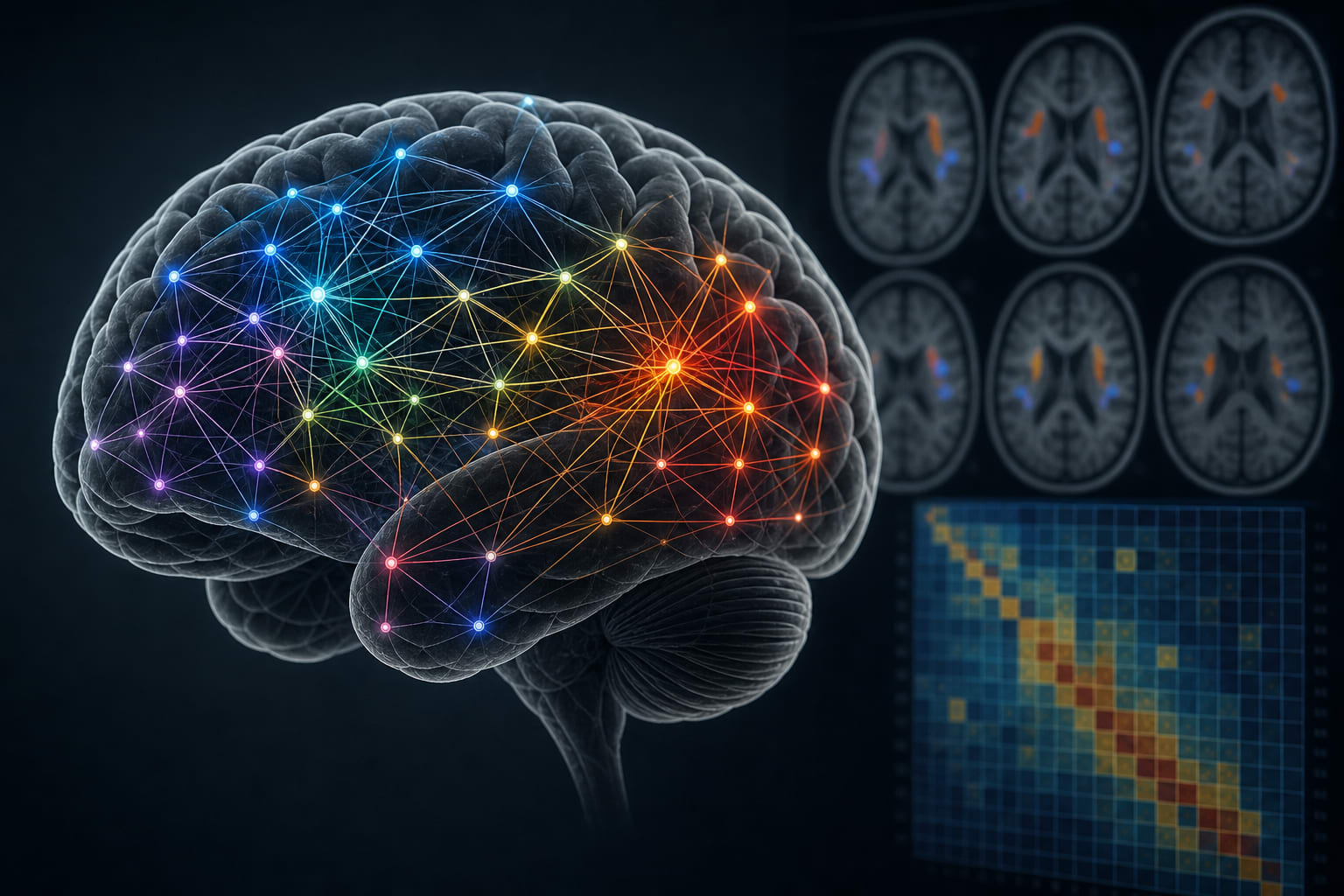
Comparative efficacy and cognitive safety of magnetic seizure therapy and electroconvulsive therapy in major depressive disorder: a systematic review and meta-analysis

  • By

  • Kaipeng Fan

  • Xuekang Niu

  • Jun Zhao

  • Guohao Lin

  • Jiayang Qu

  • Qiaoqiao Wang

  • Lin Li

  • June 17, 2026

  • 0 min

Share

Clinical Report: Efficacy and Cognitive Safety of MST vs ECT for MDD

Overview

Revise to include that ECT showed a greater reduction in depression scores post-sensitivity analysis.

Background

Major depressive disorder (MDD) is a leading cause of disability worldwide, with significant societal and economic impacts. Traditional treatments like electroconvulsive therapy (ECT) are effective but often limited by cognitive side effects. Magnetic seizure therapy (MST) has emerged as a potential alternative, aiming to maintain efficacy while reducing cognitive risks.

Data Highlights

OutcomeMSTECT
Clinical Response Rate (RR)1.10 (95% CI: 0.94-1.27)1.10 (95% CI: 0.94-1.27)
Remission Rate (RR)1.04 (95% CI: 0.72-1.50)1.04 (95% CI: 0.72-1.50)
Depression Score Change (SMD)0.36 (p=0.0001)0.36 (p=0.0001)
Cognitive Function Preservation (SMD)1.19 (p=0.005)N/A
Reorientation Time (MD)-16.72 min (p<0.00001)N/A
Overall Adverse Event Risk (OR)0.23 (p<0.00001)N/A

Key Findings

  • MST and ECT have comparable clinical response and remission rates.
  • ECT showed a greater reduction in depression scores post-sensitivity analysis.
  • MST preserved cognitive function significantly better than ECT.
  • MST enabled faster reorientation compared to ECT.
  • MST reduced overall adverse event risk, particularly for memory loss and headaches.

Clinical Implications

Highlight the importance of considering the sensitivity analysis results in clinical decision-making.

Conclusion

MST presents a promising alternative to ECT for treating MDD, offering comparable efficacy with enhanced cognitive safety. Further research is warranted to solidify its role in clinical practice.

Related Resources & Content

  1. Author(s)/Org, Source, Year -- Title
  2. Frontiers in Neurology, 2026 -- Efficacy of transcranial magnetic stimulation for mild cognitive impairment: a systematic review and meta-analysis of randomized controlled trials
  3. BMC Psychiatry, 2025 -- Age-Dependent Variations in Efficacy and Cognitive Effects of Magnetic Seizure Therapy for Major Depressive Disorder
  4. conexiant -- Comparing Brain Stimulation Strategies for Depression
  5. VA/DoD Clinical Practice Guideline for the Management of Major Depressive Disorder (MDD)
  6. BMC Psychiatry (Springer) — Maintenance pharmacotherapy after electroconvulsive therapy in inpatients with major depressive disorder: 198 prescriptions in a real-world clinical setting
  7. VA/DoD_Clinical_Practice_Guideline_for_the_Management_of_Major_Depressive_Disorder_(MDD)
  8. Clinical Outcomes of Magnetic Seizure Therapy vs Electroconvulsive Therapy for Major Depressive Episode: A Randomized Clinical Trial | Trials | JAMA Psychiatry | JAMA Network

Original Source(s)

Related Content