The immunometabolic mechanisms and therapeutic targets of metabolic dysfunction-associated steatohepatitis - Report - MDSpire

The immunometabolic mechanisms and therapeutic targets of metabolic dysfunction-associated steatohepatitis

  • By

  • Jiang Yu

  • Yong Peng

  • May 20, 2026

  • 0 min

Share

Clinical Report: Immunometabolic Pathways and Potential Therapeutic Targets in MASH

Overview

Revise to clarify the distinction between MASH and MASLD, emphasizing the implications of limited pharmacological options.

Background

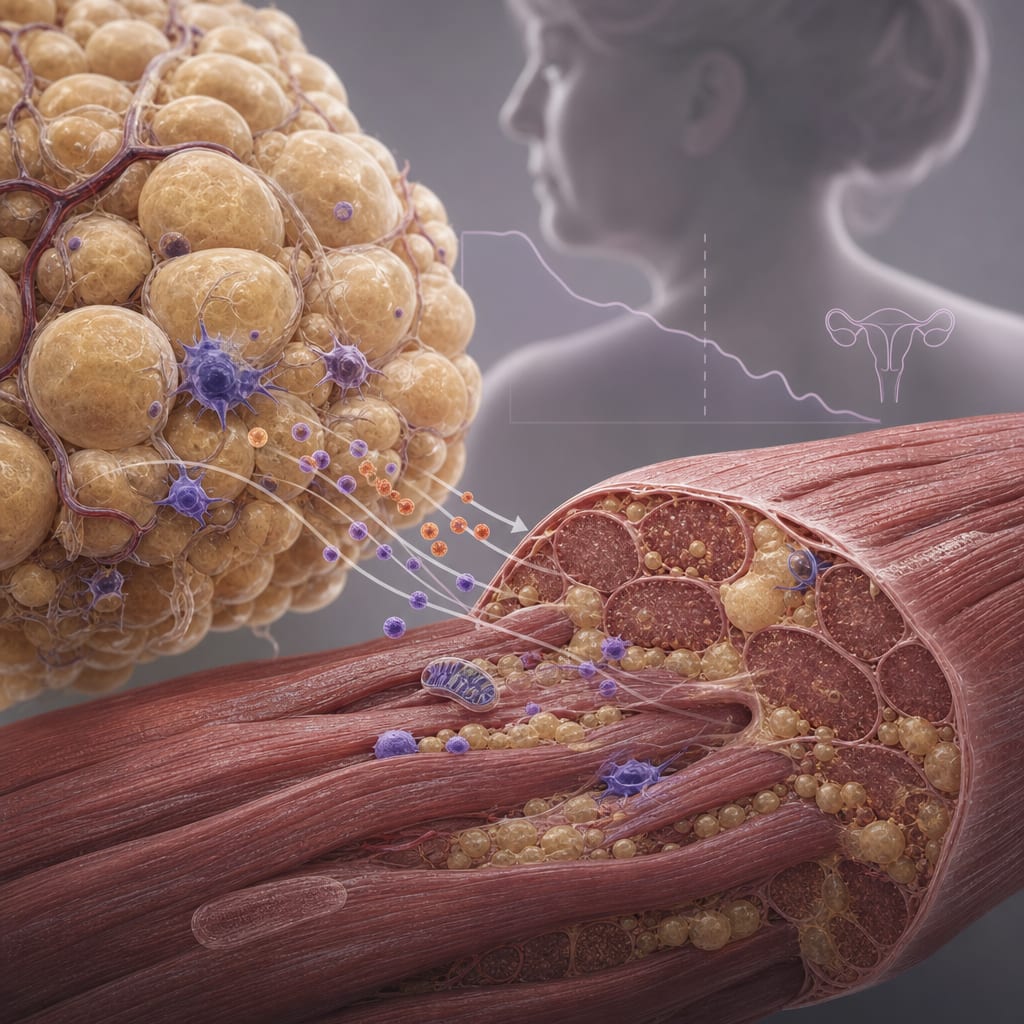
MASH represents a significant global health challenge, paralleling the rise in obesity and metabolic syndrome. It is a subtype of metabolic dysfunction-associated steatotic liver disease (MASLD) that can progress to severe liver conditions, including cirrhosis and hepatocellular carcinoma. Understanding the immunometabolic mechanisms underlying MASH is crucial for developing effective treatments.

Data Highlights

No numerical data available in the source material.

Key Findings

  • MASH is characterized by hepatic steatosis, inflammation, and potential progression to cirrhosis and hepatocellular carcinoma.
  • Insulin resistance is a key factor in the pathogenesis of MASH, promoting lipid accumulation in the liver.
  • Current therapeutic strategies are limited, necessitating the exploration of immunometabolic pathways for drug development.
  • Emerging targets include PPARs, FXR, and the GLP-1/FGF21 axis, among others.
  • Precision medicine approaches focusing on immunometabolic networks may enhance treatment efficacy.

Clinical Implications

Expand on specific management strategies and the importance of early identification.

Conclusion

Reinforce the need for multi-target interventions with specific examples from the source.

Related Resources & Content

  1. Frontiers in Immunology, 2026 -- The immunometabolic nature of MASH: framing immune cells within metabolic dysfunction
  2. Frontiers in Medicine, 2026 -- The role of mitochondrial dynamics in metabolic dysfunction–associated steatotic liver disease
  3. The Journal of Infectious Diseases, 2026 -- Decanoylcarnitine Improves Liver Mitochondrial Dysfunction in Hepatitis B Virus Infection by Enhancing Fatty Acid β-Oxidation
  4. Frontiers in Endocrinology, 2026 -- Interactions Between Lipid Metabolism and MAFLD: Mechanisms and Treatment Approaches
  5. Advancements in Managing Metabolic Dysfunction–Associated Steatohepatitis | NEJM Clinician, 2025
  6. Phase 3 Trial of Semaglutide in Metabolic Dysfunction–Associated Steatohepatitis | New England Journal of Medicine, 2025
  7. Immunopathogenic mechanisms and immunoregulatory therapies in MASLD | Cellular & Molecular Immunology, 2025
  8. Advancements in Managing Metabolic Dysfunction–Associated Steatohepatitis | NEJM Clinician
  9. Phase 3 Trial of Semaglutide in Metabolic Dysfunction–Associated Steatohepatitis | New England Journal of Medicine
  10. Immunopathogenic mechanisms and immunoregulatory therapies in MASLD | Cellular & Molecular Immunology

Original Source(s)

Related Content