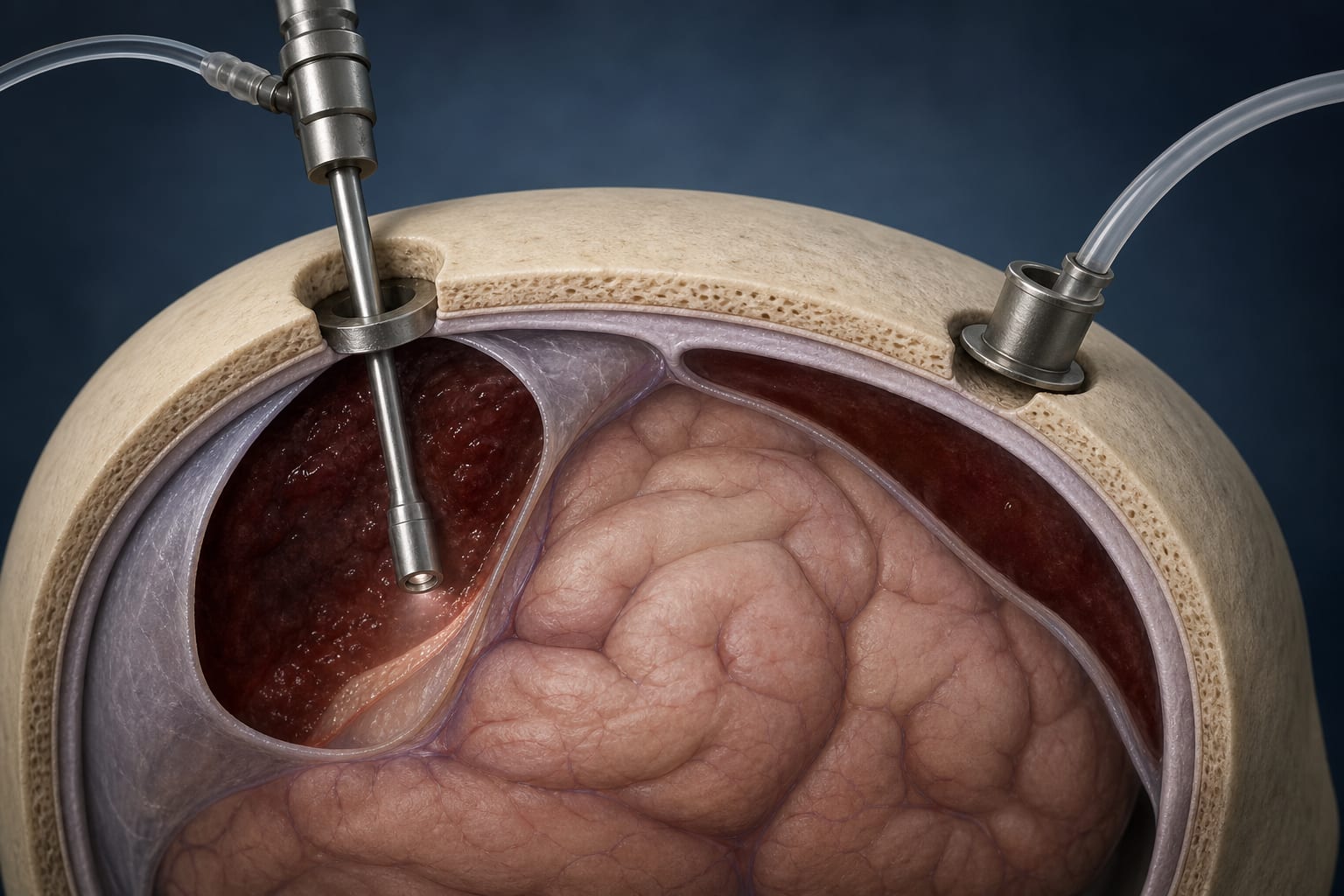
Frequency of Surgical Interventions for cSDH After Head Trauma with Normal Initial CT
Overview
This study evaluated the incidence of surgically treated chronic subdural hematoma (cSDH) within six months following head trauma in adult patients with initially normal CT scans. Among 1941 adult patients scanned within 48 hours post-injury, the frequency of surgical intervention for cSDH was determined, and potential risk factors were assessed.
Background
Chronic subdural hematoma (cSDH) is a common neurosurgical condition, especially in the elderly, with incidence rates of 46–58 per 100,000 per year in those over 65. While trauma to bridging veins was historically considered the main cause, recent evidence suggests a complex inflammatory process involving dural border cells and fragile neovessels contributes to cSDH formation. Risk factors include advanced age, antithrombotic medication use, alcohol misuse, and subdural hygroma. Surgical evacuation via burr hole drainage remains the primary treatment for symptomatic cSDH. Limited data exist on cSDH development after head trauma with initially normal CT scans.
Data Highlights
A total of 1941 adult patients with head trauma and normal initial CT scans were included. All patients were scanned within 48 hours of injury and followed for six months to identify surgically treated cSDH. Data collected included demographics, antithrombotic medication use, injury details, clinical TBI indices, and follow-up outcomes. The study was conducted in the Pirkanmaa region of Finland, covering a population of approximately 490,000.
Key Findings
The incidence of surgically treated cSDH within six months after head trauma with initially normal CT scans was established in a large consecutive cohort.
Patients with no acute traumatic intracranial pathology or subdural collections on initial CT were classified as CT negative and formed the study population.
Risk factors such as age, antithrombotic medication use, and injury characteristics were analyzed for association with subsequent cSDH requiring surgery.
The study utilized structured data collection and neuroradiologist review of all CT scans to ensure accurate classification.
The findings contribute to understanding the natural history and risk of cSDH development after head trauma with normal initial imaging.
Clinical Implications
Clinicians should be aware that cSDH can develop and require surgical intervention even after head trauma with initially normal CT scans. Close clinical follow-up and consideration of risk factors such as advanced age and antithrombotic therapy are important. This knowledge may guide patient counseling and monitoring strategies in the acute and subacute post-injury periods.
Conclusion
Surgically treated chronic subdural hematoma can occur within six months following head trauma despite normal initial CT findings. Identifying patients at risk may improve surveillance and timely intervention.
References
Tampere Traumatic Head and Brain Injury Study -- Frequency of Surgical Interventions for Chronic Subdural Hematoma Following Head Trauma with Initial Normal CT Findings
Baptist Health Foundation announced that it has received a $2 million donation from Anthony and Joyce Esernia to establish a new endowed chair at Baptist Health Miami Neuroscience Institute.